Getting around Lagos can feel unpredictable. A journey that should take 30 minutes can easily become a two-hour trip because of traffic congestion, road construction, accidents, weather conditions, or sudden changes in traffic flow.
For many Lagos residents, the problem is not distance. It is time lost while moving from one place to another. Long hours spent in traffic affect work productivity, personal schedules, health, and overall quality of life.
Learning how to reduce travel time in Lagos requires more than simply leaving home earlier. It involves understanding traffic patterns, choosing better routes, planning your movement, using the right transportation options, and making smarter decisions before and during your trip.
Whether you commute daily, run a business, attend meetings across the city, or simply want to spend less time stuck on the road, these strategies can help you move around Lagos more efficiently.
Understand Lagos Traffic Patterns Before You Travel
One of the biggest mistakes commuters make is treating every hour as the same. Lagos traffic follows clear patterns, and understanding these patterns can save significant time.
Most major roads experience heavy congestion during peak periods:
- Morning rush hours: Usually between 6:30 AM and 10:00 AM as workers and students move toward offices and schools.
- Evening rush hours: Often between 4:00 PM and 9:00 PM as people return home.
- Friday evenings: Traffic can become worse because of weekend travel, social activities, and business movements.
Areas such as Ikeja, Lekki, Victoria Island, Ajah, Oshodi, Yaba, Maryland, Berger, and Apapa frequently experience heavy traffic because they connect major residential and commercial areas.
Before leaving, consider asking:
- Is my destination close to a busy business district?
- Am I travelling during peak hours?
- Are there alternative routes?
- Is there an event, construction work, or road restriction affecting movement?
A few minutes of planning before leaving can prevent hours of delay.
Leave Before or After Peak Traffic Hours
Timing is one of the simplest ways to reduce travel time in Lagos.
Many commuters leave home at the same time because they follow a fixed routine. However, shifting your departure time by even 30 minutes can make a noticeable difference.
For example:
A person travelling from Lekki to Victoria Island at 7:30 AM may spend much longer in traffic compared with someone who leaves earlier before congestion builds up.
Depending on your schedule, consider:
- Leaving earlier than usual for important appointments.
- Arriving early and using the extra time to work or prepare.
- Delaying non-urgent trips until traffic reduces.
- Scheduling meetings outside peak commuting periods.
For businesses, adjusting meeting times can also help employees and clients avoid unnecessary delays.
Use Navigation Apps Before Starting Your Journey
Many Lagos drivers lose time because they choose familiar routes instead of faster alternatives.
Navigation tools can help identify:
- Current traffic conditions.
- Accidents blocking roads.
- Slower routes.
- Faster alternatives.
- Estimated travel times.
Popular navigation apps such as Google Maps and Waze use traffic information to help users make better route decisions.
However, navigation apps should not replace local knowledge. A route that appears faster may have issues such as:
- Poor road conditions.
- Flooding during rainy seasons.
- Security concerns.
- Unexpected restrictions.
The best approach is combining technology with your understanding of Lagos roads.
Avoid Using Only Main Roads During Busy Periods
Many commuters automatically choose major highways because they appear faster. However, popular roads often become traffic traps during rush hours.
For example, thousands of people may choose the same major route because it connects important areas. When congestion builds, smaller alternative roads may become faster.
Learning secondary routes can reduce travel time significantly.
Examples include:
- Knowing alternative connections between neighbourhoods.
- Understanding service lanes and bypasses.
- Learning multiple ways to reach regular destinations.
- Avoiding routes that frequently experience bottlenecks.
Experienced Lagos commuters usually do not depend on only one route. They have alternatives ready.
Choose the Right Transportation Option
The fastest option is not always the same for every journey.
Your choice of transportation should depend on:
- Distance.
- Time of day.
- Location.
- Cost.
- Traffic situation.
- Personal convenience.
Different options work better in different situations.
Private Car
Driving provides comfort and flexibility, but it can become inefficient when:
- Roads are heavily congested.
- Parking is difficult.
- The route passes through busy commercial areas.
Private vehicles work best when you can control your schedule and avoid peak traffic.
Ride-Hailing Services
Services such as Uber Nigeria and Bolt Nigeria can be useful because drivers often understand local routes.
They may also help when:
- You need to attend an important appointment.
- You do not want to drive.
- Parking is difficult.
- You need flexibility.
However, travel time can still depend on road conditions.
Public Transport
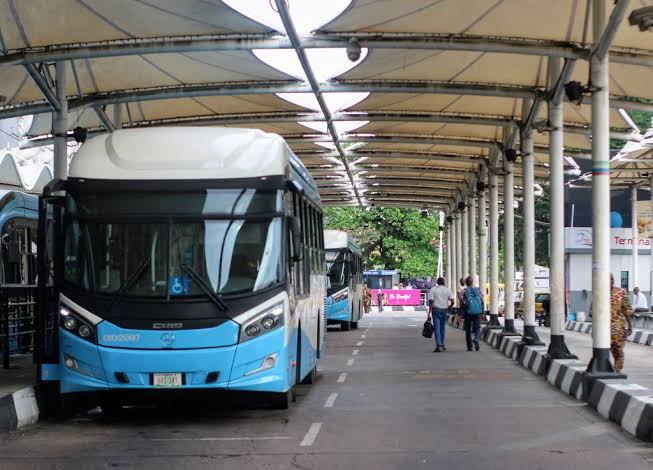
Buses, BRT services, and other public transport options can sometimes be faster because they may use dedicated routes or avoid some driving challenges.
For some commuters, combining transport methods works better than relying on one option.
Example:
- Take a bus to avoid a congested area.
- Use a short ride-hailing trip for the final part of the journey.
This approach is often called a mixed or connected commute.
Plan Your Trips Together Instead of Making Multiple Separate Trips
Poor planning creates unnecessary movement.
Someone who needs to:
- Visit a bank,
- Buy office supplies,
- Attend a meeting,
- Pick up documents,
may spend several hours travelling if each activity is done separately.
A better approach is trip planning.
Before leaving, ask:
- Can I complete multiple tasks in one area?
- Can I schedule appointments along the same route?
- Can I handle some tasks online instead?
Reducing unnecessary journeys can save several hours every week.
Consider Where You Live Compared With Where You Work
For many Lagos residents, the biggest travel-time problem is the distance between home and workplace.
Long daily commutes are common when people live far from major employment areas.
While relocating is not always possible, consider:
- Moving closer to your workplace if financially realistic.
- Choosing housing near reliable transport links.
- Negotiating remote or hybrid work arrangements where possible.
- Changing work schedules to avoid peak traffic.
A shorter daily commute can improve both productivity and personal wellbeing.
Use Remote Options When Physical Travel Is Not Necessary
Not every task requires movement.
Many activities can now be completed online, including:
- Banking.
- Paying bills.
- Some government services.
- Business meetings.
- Customer support interactions.
For example, instead of spending hours travelling to a bank branch, customers can often use online banking platforms, mobile applications, or customer service channels.
Reducing unnecessary trips is one of the most effective ways to reduce time spent on Lagos roads.
Prepare for Weather and Road Conditions
Rain can dramatically increase travel time in Lagos.
Heavy rainfall may cause:
- Flooding.
- Slower driving speeds.
- Vehicle breakdowns.
- Increased accidents.
- Poor visibility.
During rainy seasons:
- Leave earlier.
- Check road conditions before travelling.
- Avoid flood-prone routes when possible.
- Keep alternative routes available.
A route that works during dry weather may not be the best option during heavy rainfall.
Avoid Common Mistakes That Increase Travel Time
Many delays are caused by avoidable decisions.
Leaving Without Checking Traffic
Starting a journey without knowing current road conditions can lead to unnecessary delays.
Following the Same Route Every Day
A familiar route is not always the fastest route.
Ignoring Small Delays
Small delays add up. Leaving home five minutes late every day can result in hours lost over a month.
Travelling Across Lagos Without Planning
Cross-city movement requires more preparation because Lagos traffic conditions can change quickly.
Underestimating Short Trips
Some short distances can take longer than expected because of congestion around busy areas.
Build a Personal Lagos Travel Strategy
The best commuters develop habits that work specifically for their lifestyle.
Your personal strategy may include:
- A preferred departure time.
- Backup routes.
- Reliable transport options.
- Traffic-checking habits.
- Important locations to avoid during peak hours.
For example, someone who travels from mainland Lagos to the Island daily may discover that leaving earlier and avoiding certain bridges during evening rush hours saves significant time.
Over time, these small adjustments create a more predictable routine.
Small Changes Can Create Big Time Savings
Reducing travel time in Lagos is not about finding one perfect solution. Traffic conditions will always change, and no route is guaranteed to remain clear.
The people who save the most time are usually those who plan ahead, understand movement patterns, use available technology, and remain flexible.
Start with one improvement: adjust your travel time, check traffic before leaving, learn an alternative route, or combine different transport options. Small changes repeated daily can recover hours that would otherwise disappear on the road.
Leave a Reply