Category: transportation

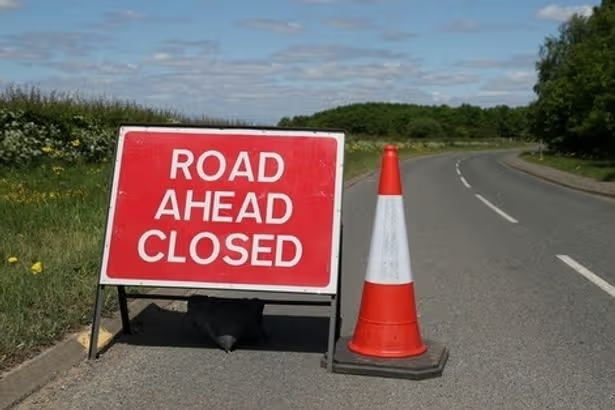
  • How to Check Road Closures Before You Travel

    How to Check Road Closures Before You Travel

    A road closure can turn a simple trip into a stressful experience. You may waste hours sitting in traffic, arrive late for an important appointment, or find yourself stuck on a route that is completely blocked. Knowing how to check road closures before leaving helps you plan better, choose safer routes, and avoid unnecessary delays.

    The best way to check road closures depends on where you are traveling, why the road is closed, and how quickly you need updated information. Some closures are caused by accidents and may last only a few minutes, while others are planned because of construction, flooding, security activities, or road repairs.

    This guide explains practical ways to find accurate road closure information, what sources to trust, and what to do when your usual route is unavailable.

    Why checking road closures before traveling matters

    Many drivers only search for road conditions after they encounter a problem. By that point, they may already be trapped in heavy traffic or forced to make sudden route changes.

    Checking road closures ahead of time helps you:

    • Avoid unexpected delays
    • Find alternative routes
    • Estimate your travel time more accurately
    • Reduce fuel waste caused by unnecessary detours
    • Stay safer during severe weather or emergency situations

    For commuters, delivery drivers, business owners, and travelers, road closure information can directly affect schedules and costs.

    For example, someone traveling to an airport may need to leave earlier if a major highway has partial closures. A delivery company may need to adjust routes if a bridge or major road is temporarily unavailable.

    Use online maps to check current road closures

    One of the easiest ways to check road closures is through digital mapping services. These platforms collect traffic information and often show blocked roads, accidents, construction zones, and slow-moving areas.

    Google Maps is one of the most commonly used tools. To check road conditions:

    1. Open Google Maps on your phone or computer.
    2. Enter your destination.
    3. Select your route.
    4. Look for traffic warnings, blocked roads, or route changes.
    5. Check suggested alternative routes.

    Google Maps may show road disruptions using colors, warning icons, or messages about delays.

    However, map apps are not always perfect. A newly closed road may not appear immediately, especially during emergencies. For major travel decisions, it is better to confirm information with official sources.

    Check government transportation websites

    Government transportation agencies usually provide the most reliable information about planned road closures.

    These websites may provide details about:

    • Road construction
    • Highway maintenance
    • Lane restrictions
    • Bridge closures
    • Flood-related closures
    • Emergency road restrictions

    If you are traveling in a specific state, city, or country, search for the official transportation authority website in that area.

    For example, many transportation departments provide online traffic dashboards where drivers can view current incidents and planned closures.

    Official sources are especially important when traveling long distances because they usually have information directly from road authorities.

    Follow traffic authorities on social media

    Many road agencies use social media platforms to share quick updates about unexpected closures.

    This is useful during:

    • Major accidents
    • Severe weather
    • Flooding
    • Public events
    • Emergency repairs

    A road may close suddenly because of an accident, and social media updates can sometimes appear faster than official websites.

    When using social media for road closure information, verify that the account belongs to the official agency. Fake accounts and outdated posts can spread incorrect information.

    Use traffic and navigation apps

    Besides standard map services, several traffic applications focus specifically on road conditions.

    Popular traffic tools can provide information about:

    • Traffic congestion
    • Accidents
    • Road hazards
    • Construction activity
    • User-reported incidents

    Waze, for example, uses reports from drivers to identify traffic problems and road disruptions.

    User reports can be helpful because they may reveal issues before official updates are available. However, because the information comes from users, it should be treated as a helpful signal rather than the only source you rely on.

    Check local news reports

    Local news organizations often report major road closures, especially when they affect many people.

    News reports can provide additional details such as:

    • Why the road was closed
    • Expected reopening times
    • Areas affected
    • Recommended alternatives

    This can be useful when closures are caused by events such as flooding, accidents, protests, or major public gatherings.

    Contact local authorities when information is unclear

    Sometimes online information may be incomplete or outdated. If a road closure affects an important trip, contacting local authorities can provide confirmation.

    You can check with:

    • Traffic control departments
    • Highway agencies
    • Local government offices
    • Police or emergency services

    This is especially useful when traveling through unfamiliar areas where online information may be limited.

    How to check road closures using Google Maps step by step

    If you are using Google Maps, follow these steps:

    Open the map application

    Launch Google Maps on your smartphone or computer.

    Enter your destination

    Search for where you want to go and select directions.

    Review the route information

    Before starting navigation, check:

    • Traffic colors
    • Warning symbols
    • Suggested route changes
    • Estimated travel time

    Look for alerts

    Pay attention to messages about:

    • Road closures
    • Accidents
    • Construction
    • Delays

    Compare alternative routes

    If your normal route has problems, check other available options before starting your journey.

    How to check road closures before a long trip

    Long-distance travel requires more preparation because conditions can change along the way.

    Before leaving:

    • Check your entire route, not just your starting location
    • Look for weather-related closures
    • Check major highways and bridges
    • Review official transportation updates
    • Download offline maps if traveling through areas with poor internet access

    For example, a driver traveling several hours may find that the first part of the journey is clear but a major highway section later has a closure. Checking the full route prevents surprises.

    Common mistakes people make when checking road closures

    Relying on only one source

    No information system is perfect. A map app may miss a new closure, while a government website may not show user-reported delays.

    Using multiple sources gives you a more accurate picture.

    Checking too early

    Road conditions can change quickly. Checking a week before traveling may not help if an accident happens on the day of your trip.

    For important journeys, check again shortly before departure.

    Ignoring weather conditions

    Some closures happen because of weather, including:

    • Heavy rain
    • Flooding
    • Snow
    • Landslides
    • Strong winds

    Always consider weather reports along your route.

    Not planning an alternative route

    Knowing that a road is closed is only useful if you know what to do next.

    Before traveling, identify possible alternative roads, especially when driving in unfamiliar locations.

    What to do if you discover a road closure while driving

    If you encounter an unexpected road closure:

    1. Avoid making sudden turns or unsafe maneuvers.
    2. Follow signs and instructions from traffic officials.
    3. Use navigation apps to find alternative routes.
    4. Stop safely if you need to review directions.
    5. Avoid entering restricted areas.

    Do not attempt to bypass barriers or closed roads. A closure may exist because the road is unsafe.

    How accurate are road closure updates?

    Road closure accuracy depends on the source and how quickly information is updated.

    Generally:

    • Official transportation agencies are best for confirmed closures.
    • Navigation apps are useful for live traffic conditions.
    • Social media can provide fast updates but requires verification.
    • News reports provide context but may not show every local closure.

    For the best results, combine official information with real-time navigation tools.

    Checking road closures in Nigeria

    In Nigeria, road conditions can change because of construction projects, flooding, accidents, security situations, and major public events.

    Drivers can check information through:

    • Federal and state road agencies
    • Local traffic authorities
    • Navigation apps
    • Verified government social media accounts
    • Local news platforms

    For major highways, it is especially important to confirm conditions before traveling because some disruptions may not appear immediately on digital maps.

    A simple routine for avoiding road closure problems

    Before leaving home:

    1. Open your navigation app.
    2. Check your route for warnings.
    3. Search for recent closure updates.
    4. Confirm information from official sources if the trip is important.
    5. Prepare an alternative route.

    This simple habit can save time and reduce travel stress.

    Road closures are often unavoidable, but being informed gives you more control. A few minutes spent checking conditions before a journey can prevent hours of delay and help you reach your destination safely.
  • How to Reduce Travel Time in Lagos: Practical Ways to Spend Less Time on the Road

    How to Reduce Travel Time in Lagos: Practical Ways to Spend Less Time on the Road

    Getting around Lagos can feel unpredictable. A journey that should take 30 minutes can easily become a two-hour trip because of traffic congestion, road construction, accidents, weather conditions, or sudden changes in traffic flow.

    For many Lagos residents, the problem is not distance. It is time lost while moving from one place to another. Long hours spent in traffic affect work productivity, personal schedules, health, and overall quality of life.

    Learning how to reduce travel time in Lagos requires more than simply leaving home earlier. It involves understanding traffic patterns, choosing better routes, planning your movement, using the right transportation options, and making smarter decisions before and during your trip.

    Whether you commute daily, run a business, attend meetings across the city, or simply want to spend less time stuck on the road, these strategies can help you move around Lagos more efficiently.

    Understand Lagos Traffic Patterns Before You Travel

    One of the biggest mistakes commuters make is treating every hour as the same. Lagos traffic follows clear patterns, and understanding these patterns can save significant time.

    Most major roads experience heavy congestion during peak periods:

    • Morning rush hours: Usually between 6:30 AM and 10:00 AM as workers and students move toward offices and schools.
    • Evening rush hours: Often between 4:00 PM and 9:00 PM as people return home.
    • Friday evenings: Traffic can become worse because of weekend travel, social activities, and business movements.

    Areas such as Ikeja, Lekki, Victoria Island, Ajah, Oshodi, Yaba, Maryland, Berger, and Apapa frequently experience heavy traffic because they connect major residential and commercial areas.

    Before leaving, consider asking:

    • Is my destination close to a busy business district?
    • Am I travelling during peak hours?
    • Are there alternative routes?
    • Is there an event, construction work, or road restriction affecting movement?

    A few minutes of planning before leaving can prevent hours of delay.

    Leave Before or After Peak Traffic Hours

    Timing is one of the simplest ways to reduce travel time in Lagos.

    Many commuters leave home at the same time because they follow a fixed routine. However, shifting your departure time by even 30 minutes can make a noticeable difference.

    For example:

    A person travelling from Lekki to Victoria Island at 7:30 AM may spend much longer in traffic compared with someone who leaves earlier before congestion builds up.

    Depending on your schedule, consider:

    • Leaving earlier than usual for important appointments.
    • Arriving early and using the extra time to work or prepare.
    • Delaying non-urgent trips until traffic reduces.
    • Scheduling meetings outside peak commuting periods.

    For businesses, adjusting meeting times can also help employees and clients avoid unnecessary delays.

    Use Navigation Apps Before Starting Your Journey

    Many Lagos drivers lose time because they choose familiar routes instead of faster alternatives.

    Navigation tools can help identify:

    • Current traffic conditions.
    • Accidents blocking roads.
    • Slower routes.
    • Faster alternatives.
    • Estimated travel times.

    Popular navigation apps such as Google Maps and Waze use traffic information to help users make better route decisions.

    However, navigation apps should not replace local knowledge. A route that appears faster may have issues such as:

    • Poor road conditions.
    • Flooding during rainy seasons.
    • Security concerns.
    • Unexpected restrictions.

    The best approach is combining technology with your understanding of Lagos roads.

    Avoid Using Only Main Roads During Busy Periods

    Many commuters automatically choose major highways because they appear faster. However, popular roads often become traffic traps during rush hours.

    For example, thousands of people may choose the same major route because it connects important areas. When congestion builds, smaller alternative roads may become faster.

    Learning secondary routes can reduce travel time significantly.

    Examples include:

    • Knowing alternative connections between neighbourhoods.
    • Understanding service lanes and bypasses.
    • Learning multiple ways to reach regular destinations.
    • Avoiding routes that frequently experience bottlenecks.

    Experienced Lagos commuters usually do not depend on only one route. They have alternatives ready.

    Choose the Right Transportation Option

    The fastest option is not always the same for every journey.

    Your choice of transportation should depend on:

    • Distance.
    • Time of day.
    • Location.
    • Cost.
    • Traffic situation.
    • Personal convenience.

    Different options work better in different situations.

    Private Car

    Driving provides comfort and flexibility, but it can become inefficient when:

    • Roads are heavily congested.
    • Parking is difficult.
    • The route passes through busy commercial areas.

    Private vehicles work best when you can control your schedule and avoid peak traffic.

    Ride-Hailing Services

    Services such as Uber Nigeria and Bolt Nigeria can be useful because drivers often understand local routes.

    They may also help when:

    • You need to attend an important appointment.
    • You do not want to drive.
    • Parking is difficult.
    • You need flexibility.

    However, travel time can still depend on road conditions.

    Public Transport

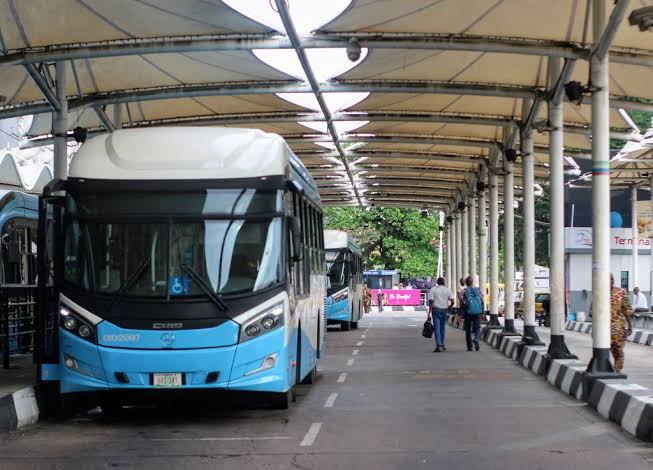
    Buses, BRT services, and other public transport options can sometimes be faster because they may use dedicated routes or avoid some driving challenges.

    For some commuters, combining transport methods works better than relying on one option.

    Example:

    • Take a bus to avoid a congested area.
    • Use a short ride-hailing trip for the final part of the journey.

    This approach is often called a mixed or connected commute.

    Plan Your Trips Together Instead of Making Multiple Separate Trips

    Poor planning creates unnecessary movement.

    Someone who needs to:

    • Visit a bank,
    • Buy office supplies,
    • Attend a meeting,
    • Pick up documents,

    may spend several hours travelling if each activity is done separately.

    A better approach is trip planning.

    Before leaving, ask:

    • Can I complete multiple tasks in one area?
    • Can I schedule appointments along the same route?
    • Can I handle some tasks online instead?

    Reducing unnecessary journeys can save several hours every week.

    Consider Where You Live Compared With Where You Work

    For many Lagos residents, the biggest travel-time problem is the distance between home and workplace.

    Long daily commutes are common when people live far from major employment areas.

    While relocating is not always possible, consider:

    • Moving closer to your workplace if financially realistic.
    • Choosing housing near reliable transport links.
    • Negotiating remote or hybrid work arrangements where possible.
    • Changing work schedules to avoid peak traffic.

    A shorter daily commute can improve both productivity and personal wellbeing.

    Use Remote Options When Physical Travel Is Not Necessary

    Not every task requires movement.

    Many activities can now be completed online, including:

    • Banking.
    • Paying bills.
    • Some government services.
    • Business meetings.
    • Customer support interactions.

    For example, instead of spending hours travelling to a bank branch, customers can often use online banking platforms, mobile applications, or customer service channels.

    Reducing unnecessary trips is one of the most effective ways to reduce time spent on Lagos roads.

    Prepare for Weather and Road Conditions

    Rain can dramatically increase travel time in Lagos.

    Heavy rainfall may cause:

    • Flooding.
    • Slower driving speeds.
    • Vehicle breakdowns.
    • Increased accidents.
    • Poor visibility.

    During rainy seasons:

    • Leave earlier.
    • Check road conditions before travelling.
    • Avoid flood-prone routes when possible.
    • Keep alternative routes available.

    A route that works during dry weather may not be the best option during heavy rainfall.

    Avoid Common Mistakes That Increase Travel Time

    Many delays are caused by avoidable decisions.

    Leaving Without Checking Traffic

    Starting a journey without knowing current road conditions can lead to unnecessary delays.

    Following the Same Route Every Day

    A familiar route is not always the fastest route.

    Ignoring Small Delays

    Small delays add up. Leaving home five minutes late every day can result in hours lost over a month.

    Travelling Across Lagos Without Planning

    Cross-city movement requires more preparation because Lagos traffic conditions can change quickly.

    Underestimating Short Trips

    Some short distances can take longer than expected because of congestion around busy areas.

    Build a Personal Lagos Travel Strategy

    The best commuters develop habits that work specifically for their lifestyle.

    Your personal strategy may include:

    • A preferred departure time.
    • Backup routes.
    • Reliable transport options.
    • Traffic-checking habits.
    • Important locations to avoid during peak hours.

    For example, someone who travels from mainland Lagos to the Island daily may discover that leaving earlier and avoiding certain bridges during evening rush hours saves significant time.

    Over time, these small adjustments create a more predictable routine.

    Small Changes Can Create Big Time Savings

    Reducing travel time in Lagos is not about finding one perfect solution. Traffic conditions will always change, and no route is guaranteed to remain clear.

    The people who save the most time are usually those who plan ahead, understand movement patterns, use available technology, and remain flexible.

    Start with one improvement: adjust your travel time, check traffic before leaving, learn an alternative route, or combine different transport options. Small changes repeated daily can recover hours that would otherwise disappear on the road.

  • Best Dash Cams for Nigerian Drivers: How to Choose the Right Camera for Safety, Security, and Evidence

    Best Dash Cams for Nigerian Drivers: How to Choose the Right Camera for Safety, Security, and Evidence

    Driving in Nigeria comes with unique challenges. From busy urban roads in Lagos and Abuja to unpredictable traffic situations, road disputes, accidents, theft concerns, and insurance claims, having reliable evidence can make a major difference.

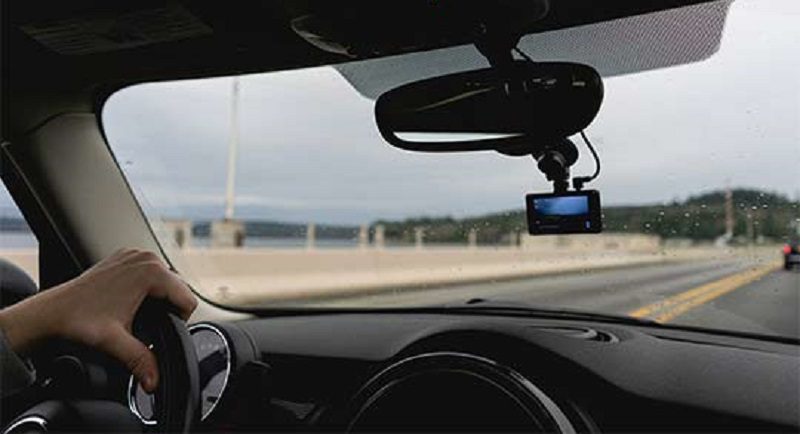
    A dash cam is more than a car accessory. It is a small recording device that can protect drivers by capturing what happens on the road. If you are involved in an accident, wrongly accused of causing damage, dealing with aggressive drivers, or trying to monitor your vehicle while parked, a good dash cam can provide useful video evidence.

    However, choosing the best dash cam for Nigerian drivers requires more than picking the most expensive model. Nigerian roads, weather conditions, power supply issues, vehicle security concerns, and internet availability all affect which cameras are practical.

    This guide explains what features matter most, what types of dash cams work well in Nigeria, and how to choose a model that fits your driving needs.

    What Makes a Dash Cam Suitable for Nigerian Roads?

    A good dash cam for Nigeria should handle conditions that are common on local roads.

    A camera designed mainly for smooth highways in another country may not perform well in Nigerian driving environments. Drivers need to consider factors such as:

    • Heavy traffic conditions
    • Sudden braking and lane changes
    • Poor road sections and potholes
    • High temperatures
    • Dust and humidity
    • Night driving
    • Parking security
    • Power availability

    The best dash cams for Nigerian drivers usually have strong video quality, reliable storage, good heat resistance, and features that continue working when the car is parked.

    Why Nigerian Drivers Should Consider Using a Dash Cam

    Many drivers install dash cams because they want protection during unexpected situations.

    Evidence During Road Accidents

    Traffic accidents can become complicated when drivers disagree about what happened. A dash cam recording can show the events leading up to a collision, including:

    • Vehicle movements
    • Traffic light situations
    • Sudden stops
    • Wrong-way driving
    • Dangerous overtaking

    While video evidence does not automatically settle every legal matter, it can help clarify events and support discussions with insurers, authorities, or other parties.

    Protection Against False Claims

    Some drivers worry about being blamed unfairly after an accident.

    A dash cam can provide an objective record instead of relying only on personal accounts. This can be especially useful in situations involving:

    • Pedestrian accidents
    • Minor collisions
    • Parking damage
    • Disagreements between drivers

    Vehicle Security While Parked

    Car theft and vandalism are concerns for many vehicle owners. Some dash cams offer parking monitoring features that can record movement or impacts when the vehicle is unattended.

    However, parking mode usually requires a constant power connection, meaning you may need a hardwire installation instead of simply plugging the camera into the car charger.

    Important Features to Look For in a Dash Cam in Nigeria

    Not every dash cam is suitable for Nigerian conditions. These are the features that matter most.

    Video Quality: Choose at Least 1080p Resolution

    Video clarity is one of the most important factors.

    A dash cam with poor image quality may record footage that is difficult to use when you need details such as:

    • Vehicle number plates
    • Road signs
    • Driver actions
    • Accident details

    For most Nigerian drivers, a Full HD 1080p dash cam is the minimum recommended option.

    Higher-quality cameras with 2K or 4K recording can capture more detail, especially during daylight driving, but they usually cost more and require larger memory cards.

    A practical choice for many drivers is:

    • 1080p for affordable daily driving
    • 2K for better detail and clearer evidence
    • 4K for premium protection


    Night Vision Performance

    Night driving is common in Nigerian cities, but low-light conditions can reduce video quality.

    A good dash cam should have:

    • Strong low-light sensors
    • HDR (High Dynamic Range)
    • Wide exposure control
    • Good image processing

    Without proper night performance, footage may appear too dark or overexposed because of headlights from other vehicles.

    Heat Resistance

    Nigeria’s climate makes heat resistance an important consideration.

    A dashboard can become extremely hot when a vehicle is parked under direct sunlight. Cheap cameras may experience:

    • Battery swelling
    • Sudden shutdowns
    • Reduced lifespan
    • Damaged internal components

    Look for dash cams designed with reliable components and avoid models that depend heavily on internal batteries.

    Many quality dash cams use capacitors instead of traditional batteries because capacitors generally handle heat better.

    Wide Viewing Angle

    A wider lens allows the camera to capture more of the road.

    A good range is usually around:

    • 120 degrees: acceptable coverage
    • 140 to 170 degrees: better road coverage

    A very wide angle is not always better because extreme angles can distort images around the edges.

    Reliable Storage and Loop Recording

    Dash cams continuously record, which means storage management matters.

    Loop recording automatically overwrites older footage when the memory card becomes full.

    Important storage features include:

    • Support for high-quality microSD cards
    • Automatic file protection after impacts
    • Reliable recording without frequent errors

    Avoid using poor-quality memory cards because they can fail when you need footage most.

    GPS Tracking

    Some dash cams include GPS, which records information such as:

    • Vehicle speed
    • Location
    • Driving route
    • Time and date

    GPS can strengthen the usefulness of recordings, especially for fleet owners, commercial drivers, or people who want detailed records of trips.

    Parking Mode

    Parking mode allows the camera to monitor your vehicle when you are away.

    Common types include:

    Motion detection: Records when movement is detected.

    Impact detection: Saves footage after a collision or strong vibration.

    Continuous recording: Records all the time while parked.

    For Nigerian drivers concerned about parking damage or security, this feature can be valuable.

    Best Dash Cam Types for Different Nigerian Drivers

    The right dash cam depends on how you use your vehicle.

    Best for Everyday Private Car Owners

    A reliable front-facing dash cam is usually enough for most personal vehicles.

    Ideal features:

    • 1080p or 2K recording
    • Good night vision
    • Wide viewing angle
    • Loop recording
    • Reliable storage

    This setup provides protection without unnecessary complexity.

    Best for Ride-Hailing and Commercial Drivers

    Drivers working with services such as ride-hailing platforms may benefit from more advanced systems.

    Useful features include:

    • Front and cabin cameras
    • GPS tracking
    • Longer recording capacity
    • Parking monitoring

    A dual-camera setup can record both the road and activities inside the vehicle.

    Best for Security-Conscious Vehicle Owners

    Drivers who frequently park in public areas may prefer cameras with:

    • Parking mode
    • Motion detection
    • Impact recording
    • Cloud connectivity

    Cloud-enabled systems can provide remote access to footage, although they may require internet connectivity and additional subscription costs.

    Best Dash Cam Brands Commonly Considered by Drivers

    Several brands have built a reputation internationally for reliable dash cams.

    70mai Dash Cams

    70mai cameras are popular among drivers looking for affordable options with features such as HD recording, smart connectivity, and practical designs.

    They are often considered suitable for everyday drivers who want good features without paying premium prices.

    Viofo Dash Cams

    Viofo is known among dash cam enthusiasts for strong video quality and reliable performance.

    Many of its models focus on image clarity, especially for drivers who prioritize evidence quality.

    Garmin Dash Cams

    Garmin produces premium automotive devices, including dash cams with features such as compact designs, voice controls, and advanced driver assistance features.

    They are usually better suited for drivers willing to pay more for additional technology.

    Nextbase Dash Cams

    Nextbase produces a range of dash cams designed for everyday drivers and professional users.

    Their higher-end models often include features such as improved recording quality and smartphone connectivity.

    Should Nigerian Drivers Buy Front, Rear, or Dual Dash Cams?

    The answer depends on your risk level and budget.

    Front Dash Cam

    A front camera records what happens ahead of your vehicle.

    Advantages:

    • Lower cost
    • Easier installation
    • Suitable for most drivers

    For many private car owners, this is enough.

    Rear Dash Cam

    A rear camera records events behind your vehicle.

    It can help with:

    • Rear-end collisions
    • Tailgating incidents
    • Parking damage

    Dual Dash Cam

    A dual system records both front and rear views, and some models also include an interior camera.

    This is useful for:

    • Commercial drivers
    • Ride-hailing operators
    • Drivers who spend many hours on the road

    The downside is higher cost and more complicated installation.

    How Much Does a Good Dash Cam Cost in Nigeria?

    Dash cam prices vary depending on features, brand, and availability.

    Generally:

    • Budget models: suitable for basic recording
    • Mid-range models: better image quality and reliability
    • Premium models: advanced features such as GPS, cloud access, and multi-camera recording

    The cheapest option is not always the best value. A low-quality camera that fails during an accident provides little protection.

    A better approach is to choose the best balance between:

    • Video quality
    • Reliability
    • Heat resistance
    • Storage support
    • After-sales availability


    Installation Tips for Nigerian Drivers

    Proper installation affects performance.

    A poorly installed dash cam may:

    • Block your view
    • Disconnect frequently
    • Record the wrong angle
    • Drain your vehicle battery

    For best results:

    • Position the camera behind the rear-view mirror area
    • Hide cables neatly along the interior trim
    • Use a reliable power connection
    • Test the recording angle before final installation

    If you use parking mode, consider professional hardwire installation to prevent battery problems.

    Common Dash Cam Mistakes to Avoid

    Buying Based Only on Price

    Cheap cameras often compromise on important areas such as:

    • Video clarity
    • Heat resistance
    • Reliability

    A slightly more expensive model may last longer and provide better protection.

    Using a Poor Memory Card

    Dash cams constantly write and delete video files. Regular memory cards may fail under this workload.

    Use a high-quality card designed for continuous recording.

    Ignoring Night Performance

    A camera that looks impressive during the day may perform poorly at night.

    Always consider how it handles headlights, dark roads, and low visibility.

    Forgetting Maintenance

    Dash cams need occasional attention.

    Check:

    • Lens cleanliness
    • Storage card condition
    • Date and time settings
    • Firmware updates


    Are Dash Cams Legal in Nigeria?

    Dash cam use generally depends on how recordings are collected, stored, and used.

    Drivers should avoid using recordings in ways that violate privacy rights or other applicable laws. Rules and enforcement practices can change, so it is advisable to check current guidance from relevant Nigerian authorities if you plan to use footage for legal or commercial purposes.

    Final Advice: Choosing the Right Dash Cam for Nigerian Roads

    For most Nigerian drivers, the best dash cam is not necessarily the most expensive model. It is the one that reliably records clear footage when something goes wrong.

    A practical choice should have:

    • At least 1080p video quality
    • Good night vision
    • Heat-resistant design
    • Reliable storage support
    • Loop recording
    • A trustworthy brand

    Private car owners can usually start with a quality front camera, while commercial drivers and people who frequently park in risky areas may benefit from dual cameras and parking monitoring.

    A dash cam is a small investment compared with the cost, stress, and uncertainty that can follow an accident or dispute. Choosing a reliable one can give you stronger protection every time you drive.

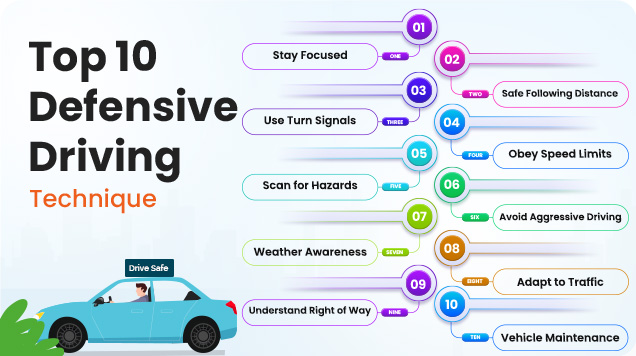
  • Defensive Driving Tips: How to Become a Safer and More Responsible Driver

    Defensive Driving Tips: How to Become a Safer and More Responsible Driver

    Driving is not only about knowing how to operate a vehicle or follow traffic rules. Many accidents happen because drivers fail to anticipate risks, react too slowly, or assume other road users will always make the right decisions.

    This is where defensive driving becomes important. Defensive driving tips help drivers develop safer habits by teaching them how to identify hazards, manage risks, and make better decisions behind the wheel.

    A defensive driver does not simply focus on their own actions. They pay attention to what other drivers, pedestrians, weather conditions, road layouts, and unexpected situations could do next. These habits can help reduce the chance of collisions and create a safer environment for everyone on the road.

    What Is Defensive Driving?

    Defensive driving is a driving approach that focuses on preventing accidents by staying alert, anticipating possible dangers, and making safe decisions before problems occur.

    A defensive driver does not assume:

    • Other drivers will follow traffic rules.
    • Vehicles will always stop when they should.
    • Pedestrians will notice approaching cars.
    • Road conditions will remain predictable.

    Instead, they prepare for possible mistakes made by others.

    For example, if a driver ahead is approaching a traffic light quickly, a defensive driver does not assume the vehicle will stop. They reduce speed slightly, maintain enough distance, and prepare to react if the driver runs the red light.

    Defensive driving combines awareness, patience, and good judgment.

    Why Defensive Driving Matters

    Road accidents are often caused by human behavior rather than vehicle problems. Common causes include speeding, distracted driving, aggressive behavior, poor decision-making, and failure to recognize hazards.

    Practicing defensive driving can help drivers:

    • Reduce the likelihood of crashes.
    • React faster to unexpected situations.
    • Avoid dangerous driving behaviors.
    • Protect passengers and other road users.
    • Lower vehicle repair costs caused by preventable accidents.
    • Build confidence in challenging driving conditions.

    A defensive driver understands that being right is not always enough. For example, you may have the legal right of way, but if another driver ignores a stop sign, avoiding the collision is more important than proving you were correct.

    Stay Focused and Eliminate Distractions

    One of the most important defensive driving habits is maintaining full attention on the road.

    Modern distractions are everywhere. Mobile phones, conversations, eating, adjusting vehicle controls, and even looking at roadside activities can reduce a driver’s ability to react quickly.

    A distracted driver may notice a hazard several seconds too late. At higher speeds, those few seconds can represent a significant distance traveled without proper control.

    To stay focused:

    • Put your phone away before driving.
    • Avoid texting or checking notifications.
    • Set navigation directions before starting your trip.
    • Adjust mirrors, seats, and climate controls before moving.
    • Keep conversations from becoming distracting.
    • Avoid driving when extremely tired.

    Professional drivers often treat driving as an active task, not a routine activity. Even familiar roads require attention because unexpected events can happen at any time.

    Maintain a Safe Following Distance

    Following too closely is one of the most common mistakes drivers make. When there is not enough space between vehicles, drivers have less time to react if the vehicle ahead suddenly brakes.

    A defensive driver maintains a safe following distance to create a reaction zone.

    A common guideline is the three-second rule:

    1. Choose a fixed object ahead, such as a sign or tree.
    2. When the vehicle ahead passes it, start counting.
    3. You should reach that point after at least three seconds.

    Increase the distance when:

    • Driving in rain.
    • Driving at night.
    • Roads are slippery.
    • Traffic conditions are unpredictable.
    • Following motorcycles or large trucks.

    For example, if a truck blocks your view of the road ahead, leaving extra space gives you more time to see and react to hazards.

    Always Scan the Road Ahead

    Many inexperienced drivers focus only on the vehicle directly in front of them. Defensive drivers look farther ahead to identify problems before they become immediate threats.

    Effective scanning involves checking:

    • Vehicles ahead.
    • Vehicles behind.
    • Side streets.
    • Pedestrians near the road.
    • Traffic signs and signals.
    • Road conditions.
    • Possible escape routes.

    Looking farther ahead helps you notice slowing traffic, construction zones, changing traffic lights, or unsafe driving behavior early.

    A useful habit is to avoid staring at one point. Keep your eyes moving and continuously gather information about your surroundings.

    Expect Other Drivers to Make Mistakes

    A major principle of defensive driving is avoiding assumptions.

    Even if you have a green light, another driver may fail to stop. Even if you are in your lane, another vehicle may drift into it. Even if a pedestrian appears to be waiting, they may suddenly step onto the road.

    This does not mean driving with fear. It means driving with awareness.

    Examples of defensive decisions include:

    • Checking both directions before entering an intersection.
    • Slowing down near vehicles that appear distracted.
    • Leaving room when passing cyclists or motorcycles.
    • Avoiding sudden reactions to aggressive drivers.

    Your goal is not to control other people’s behavior. Your goal is to create enough time and space to respond safely.

    Follow Speed Limits and Adjust Your Speed

    Speed limits are designed based on road conditions, traffic patterns, and safety considerations. However, defensive driving requires more than simply following posted numbers.

    A driver may need to slow down below the speed limit when conditions are unsafe.

    Reduce speed when:

    • Roads are wet or icy.
    • Visibility is poor.
    • Driving through crowded areas.
    • Approaching schools or pedestrian zones.
    • Traffic patterns are uncertain.

    Speed affects both reaction time and stopping distance. The faster a vehicle travels, the more distance it needs to stop safely.

    Driving slightly slower can provide more control and more time to make decisions.

    Keep Your Vehicle in Good Condition

    A safe driver also pays attention to vehicle maintenance. A well-maintained vehicle is easier to control and less likely to experience unexpected failures.

    Important checks include:

    • Tire pressure and tire condition.
    • Brake performance.
    • Lights and indicators.
    • Windshield visibility.
    • Engine fluids.
    • Mirrors and safety equipment.

    For example, worn tires can reduce grip on wet roads, making it harder to stop quickly. A driver who ignores maintenance may create risks that could have been prevented.

    Use Mirrors and Check Blind Spots Properly

    Mirrors provide important information, but they do not show everything around your vehicle.

    Blind spots are areas where other vehicles may not appear in your mirrors.

    Before changing lanes:

    1. Check your mirrors.
    2. Signal your intention.
    3. Look over your shoulder to check blind spots.
    4. Move only when it is safe.

    This simple habit prevents many lane-change collisions.

    Drivers should also avoid staying too long in another vehicle’s blind spot, especially near large trucks. If you cannot see the truck driver’s mirrors, there is a good chance they cannot see you.

    Avoid Aggressive Driving

    Aggressive driving increases risk because it reduces patience and encourages poor decisions.

    Common aggressive behaviors include:

    • Tailgating.
    • Speeding.
    • Frequent unnecessary lane changes.
    • Ignoring traffic signals.
    • Competing with other drivers.
    • Road rage.

    A defensive driver controls their own emotions and avoids reacting to aggressive behavior from others.

    If another driver behaves dangerously, the safest response is usually to create distance rather than engage.

    Be Extra Careful in Poor Weather Conditions

    Weather can quickly change driving conditions. Rain, fog, snow, strong winds, and extreme heat can affect visibility and vehicle control.

    Defensive driving in poor weather includes:

    • Reducing speed.
    • Increasing following distance.
    • Using headlights when visibility is reduced.
    • Avoiding sudden braking or sharp turns.
    • Paying attention to road surface conditions.

    For example, during heavy rain, water can reduce tire contact with the road. Driving at normal speeds may become unsafe even if the road looks familiar.

    Prepare for Emergency Situations

    Defensive drivers think about what they would do if something unexpected happens.

    Possible situations include:

    • A vehicle suddenly stopping.
    • A tire blowing out.
    • A pedestrian entering the road.
    • A vehicle losing control nearby.
    • A traffic light malfunctioning.

    Good preparation includes:

    • Keeping both hands available for steering.
    • Knowing how your vehicle responds under braking.
    • Avoiding unnecessary distractions.
    • Keeping emergency supplies when appropriate.

    Having a plan reduces panic during stressful situations.

    Defensive Driving Tips for New Drivers

    New drivers often focus on controlling the vehicle, but safe driving requires developing awareness.

    Helpful habits include:

    • Practice in different traffic conditions.
    • Avoid carrying too many passengers while learning.
    • Drive at comfortable speeds.
    • Ask experienced drivers for feedback.
    • Learn from mistakes instead of repeating them.
    • Avoid copying unsafe habits from other drivers.

    Confidence comes from experience, but experience should be built through safe decisions.

    Common Defensive Driving Mistakes to Avoid

    Even drivers who understand defensive driving can develop unsafe habits.

    Common mistakes include:

    Assuming Other Drivers See You

    Making eye contact or using signals does not guarantee another driver understands your intention. Always be prepared for unexpected actions.

    Driving on Autopilot

    Familiar routes can make drivers less alert. Accidents can happen on roads you use every day.

    Overconfidence

    Experienced drivers can still make mistakes. Confidence should improve decision-making, not reduce caution.

    Relying Only on Technology

    Features such as blind-spot monitoring, lane assistance, and automatic braking can help, but they do not replace an attentive driver.

    Technology supports safe driving. It does not remove responsibility.

    A Simple Defensive Driving Checklist

    Before and during every trip, ask yourself:

    • Am I fully focused?
    • Is my vehicle ready for the journey?
    • Am I leaving enough space?
    • Am I watching beyond the vehicle ahead?
    • Am I adjusting my speed for conditions?
    • Am I prepared for other drivers’ mistakes?

    These questions encourage safer habits every time you drive.

    The Mindset That Makes Someone a Defensive Driver

    Defensive driving is not about driving slowly or being afraid of the road. It is about making smart decisions based on awareness and preparation.

    A defensive driver understands that roads are shared spaces. Every decision affects other people, from choosing a safe speed to allowing another vehicle enough room to merge.

    The best defensive drivers are not the ones who avoid every difficult situation. They are the ones who recognize risks early and make choices that prevent those situations from becoming dangerous.

    Safe driving begins before the engine starts. It begins with the decision to pay attention, stay patient, and take responsibility for every journey.

  • How to Avoid Speeding Tickets: Practical Ways to Stay Within the Speed Limit

    How to Avoid Speeding Tickets: Practical Ways to Stay Within the Speed Limit

    Getting a speeding ticket is more than an unexpected expense. It can add points to your driving record, increase insurance costs, waste your time dealing with fines, and create unnecessary stress. Many drivers receive tickets not because they intentionally drive dangerously, but because they lose track of their speed, misunderstand speed limits, or react too late to changing road conditions.

    Learning how to avoid speeding tickets starts with developing better driving habits. It is not about constantly watching your speedometer or driving far below the limit. It is about understanding how speed limits work, recognizing situations where speeding commonly happens, and making small adjustments that help you stay safe and compliant.

    Understand Why Speeding Tickets Happen

    Most speeding tickets happen because drivers unintentionally exceed the posted limit. A driver may be focused on traffic, a conversation, navigation, or simply matching the speed of other vehicles without noticing they are going too fast.

    Common reasons drivers get speeding tickets include:

    • Not checking the speedometer regularly
    • Driving faster because other cars are speeding
    • Missing speed limit signs
    • Rushing because they are late
    • Driving downhill where speed increases naturally
    • Assuming police only stop drivers going far above the limit
    • Misjudging how fast they are actually traveling

    Speeding laws exist because higher speeds reduce reaction time and increase the severity of crashes. Even a small increase in speed can affect how quickly a driver can stop when something unexpected happens.

    Make Checking Your Speed a Habit

    One of the easiest ways to avoid speeding tickets is to regularly glance at your speedometer.

    Many drivers check their speed only when they see a police vehicle or notice a speed limit sign. By then, they may already be above the legal limit.

    A better approach is to create natural reminders:

    • Check your speed every few minutes
    • Check after turning onto a new road
    • Check when entering a different speed zone
    • Check after passing other vehicles
    • Check when driving downhill

    Over time, this becomes automatic. Experienced drivers often develop a sense of how fast they are traveling, but they still confirm with the speedometer.

    Pay Attention When Speed Limits Change

    Speed limits often change depending on the environment. A road that allows higher speeds may suddenly reduce the limit because of schools, residential areas, construction zones, intersections, or pedestrian activity.

    Many speeding tickets happen in transition areas, such as:

    • Leaving a highway and entering a lower-speed road
    • Passing through small towns
    • Entering school zones
    • Driving through construction areas
    • Moving from rural roads into residential neighborhoods

    Do not wait until you see a police officer or traffic sign directly in front of you. Watch for speed limit signs early and adjust your speed gradually.

    Avoid Driving Based on the Speed of Other Vehicles

    A common mistake is assuming that if everyone else is speeding, it must be acceptable.

    Traffic flow can influence your perception of speed. When several vehicles are traveling above the limit, it may feel normal to match them. However, each driver remains responsible for their own speed.

    A safer approach is:

    • Follow the posted speed limit
    • Maintain a safe distance from faster vehicles
    • Allow others to pass if they choose to drive faster

    Following the crowd is not a defense against a speeding ticket.

    Leave Earlier So You Do Not Feel Pressured to Speed

    Many speeding violations happen because drivers are running late.

    When people feel rushed, they are more likely to:

    • Accelerate aggressively
    • Pass unnecessarily
    • Follow other vehicles too closely
    • Ignore speed limits
    • Take risks at intersections

    Leaving even 10 or 15 minutes earlier can significantly reduce the temptation to speed.

    Good time management is one of the simplest ways to become a safer driver.

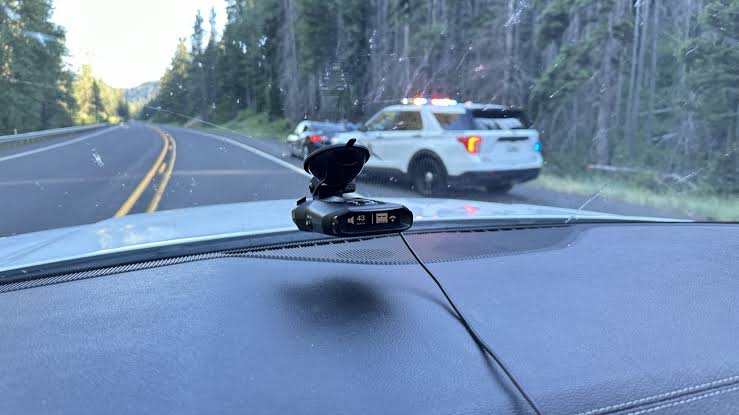
    Use Technology to Help Monitor Your Speed

    Modern vehicles and navigation apps often include features that can help drivers maintain appropriate speeds.

    Useful tools include:

    • Speed limit displays
    • Speed alerts
    • Cruise control
    • Adaptive cruise control
    • Navigation apps that show current speed limits

    These tools are not a replacement for paying attention, but they can provide helpful reminders.

    For example, cruise control can help maintain a consistent speed on long highway drives where drivers may slowly increase speed without noticing.

    Be Extra Careful in Common Speed Trap Areas

    Some locations receive more speed enforcement because speeding creates higher risks there.

    Drivers should be especially aware around:

    • School zones
    • Residential streets
    • Areas with frequent pedestrian activity
    • Construction zones
    • Highway entrances and exits
    • Roads where speed limits recently changed

    This does not mean you should slow down only where police may be present. The goal is to recognize areas where maintaining a safe speed matters most.

    Learn How Your Vehicle Affects Your Speed

    Different vehicles can make it easier or harder to notice speed changes.

    For example:

    • Powerful vehicles can accelerate quickly without feeling fast
    • Large vehicles may feel slower than they actually are
    • Electric vehicles can increase speed rapidly because of instant acceleration
    • Long downhill roads can gradually increase speed

    Understanding your vehicle helps you predict situations where you may accidentally exceed the limit.

    Use Cruise Control Correctly

    Cruise control can be useful for avoiding accidental speeding, especially on open roads.

    However, it should be used carefully.

    Avoid using cruise control when:

    • Roads are slippery
    • Traffic is heavy
    • You need frequent speed adjustments
    • Driving through areas with many pedestrians or intersections

    A driver should still monitor the road and adjust speed when conditions change.

    Practice Defensive Driving

    Defensive driving focuses on reducing risks before they happen. It involves paying attention to road conditions, other drivers, and your surroundings.

    A defensive driver:

    • Keeps a safe following distance
    • Anticipates possible hazards
    • Adjusts speed for weather conditions
    • Avoids aggressive driving behaviors
    • Stays calm in traffic

    Defensive driving naturally reduces speeding because it encourages drivers to focus on safety rather than simply getting to their destination faster.

    Know That Small Speed Differences Can Matter

    Some drivers believe they are safe from tickets if they are only slightly above the limit. While enforcement practices vary depending on location, road conditions, and local laws, exceeding the posted speed limit can still result in a violation.

    More importantly, consistently driving above the limit increases the chance of receiving a ticket because the difference can become larger without you noticing.

    A driver traveling slightly above the limit may gradually increase speed while keeping up with traffic, especially on open roads.

    Avoid Distractions That Make You Miss Speed Changes

    Distractions make it harder to notice speed limits and changing road conditions.

    Common distractions include:

    • Using a phone while driving
    • Adjusting music or navigation
    • Eating while driving
    • Intense conversations
    • Looking away from the road

    When your attention is divided, you are more likely to miss important information such as speed limit signs or traffic conditions.

    What to Do If You Notice You Are Speeding

    If you realize you are driving too fast, avoid suddenly braking hard unless necessary.

    Instead:

    1. Check your surroundings.
    2. Reduce speed smoothly.
    3. Return to a safe speed.
    4. Continue paying attention to your driving.

    Sudden braking can create another safety risk, especially in heavy traffic.

    Common Mistakes That Lead to Speeding Tickets

    Avoiding speeding tickets becomes easier when you recognize common mistakes.

    Assuming a familiar road has the same speed limit

    Speed limits can change because of construction, new regulations, or safety concerns.

    Driving faster because you are comfortable with the road

    Knowing a road well does not mean hazards cannot appear.

    Relying only on speed limit signs

    Signs help, but drivers must also adjust speed based on weather, traffic, and road conditions.

    Using another driver’s speed as a guide

    Other drivers may also be speeding.

    Ignoring small increases in speed

    A few extra miles or kilometers per hour can become much more over time.

    The Best Way to Avoid Speeding Tickets

    The most reliable way to avoid speeding tickets is to build consistent habits:

    • Know the speed limit before you need to react
    • Check your speed regularly
    • Avoid rushing
    • Use driving assistance features responsibly
    • Pay attention in areas where limits change
    • Adjust your speed for road conditions

    Avoiding speeding tickets is not about constantly worrying about law enforcement. It is about becoming a more aware driver who controls speed intentionally.

    A driver who develops good speed habits protects their wallet, avoids unnecessary penalties, and creates safer roads for everyone.

  • What to Do If Stopped by FRSC: Steps to Follow and Mistakes to Avoid

    What to Do If Stopped by FRSC: Steps to Follow and Mistakes to Avoid

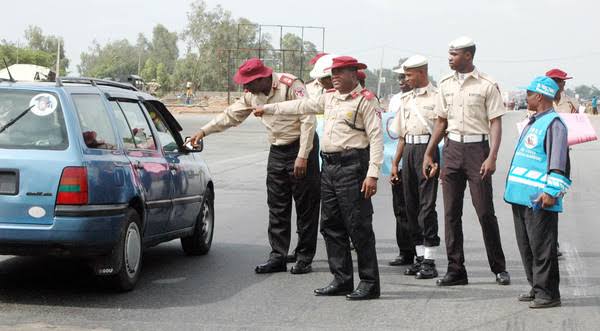
    Being stopped by the Federal Road Safety Corps (FRSC) can feel stressful, especially if you are unsure why you were flagged down or what your rights and responsibilities are during a roadside check.

    Many drivers make the situation worse by arguing, refusing to cooperate, or panicking. A calm and informed approach helps you handle the encounter properly, protect yourself, and resolve any genuine traffic issue quickly.

    If you are wondering what to do if stopped by FRSC, the most important things are to remain calm, cooperate respectfully, understand the reason for the stop, and follow the correct process if an offence is identified.

    Why FRSC Officers Stop Drivers

    The FRSC is responsible for promoting road safety, enforcing traffic regulations, and reducing road crashes across Nigeria. Officers may stop vehicles for different reasons, including checking compliance with road safety requirements or investigating possible violations.

    Common reasons you may be stopped include:

    • Driving without a valid driver’s licence
    • Failure to use a seat belt
    • Using a phone while driving
    • Driving without proper vehicle documents
    • Overloading a vehicle
    • Dangerous driving behaviour
    • Roadworthiness concerns
    • Vehicle lighting issues
    • Disobeying traffic signs or road markings
    • Suspected driving under the influence of alcohol or drugs

    A roadside stop does not automatically mean you have committed an offence. The purpose of the interaction is to determine whether there is a violation and address it according to the law.

    Stay Calm and Pull Over Safely

    The first thing to do when an FRSC officer signals you to stop is to avoid sudden movements or aggressive reactions.

    Reduce your speed gradually and stop at a safe location where possible. Avoid stopping in a dangerous position that could put you, other road users, or the officer at risk.

    After stopping:

    • Turn off your engine if appropriate
    • Keep your hands visible
    • Remain inside the vehicle unless asked to step out
    • Avoid making sudden movements
    • Stay polite and respectful

    A calm attitude can prevent a simple traffic check from becoming a stressful confrontation.

    Ask Why You Were Stopped

    After stopping, politely ask the officer the reason for the stop.

    You can say something like:

    “Officer, please may I know the reason I was stopped?”

    Understanding the reason helps you know what issue needs to be addressed. It also allows you to provide an explanation if there is a misunderstanding.

    For example, if an officer claims you were not wearing a seat belt but you believe you were, you can calmly explain your side rather than immediately arguing.

    Respectful communication is usually more effective than confrontation.

    Provide Your Documents When Requested

    FRSC officers may request relevant driving and vehicle documents during enforcement checks.

    Common documents include:

    • Driver’s licence
    • Vehicle licence
    • Proof of ownership documents where applicable
    • Roadworthiness certificate
    • Insurance certificate
    • Other required vehicle documents

    Provide genuine documents when requested.

    Drivers should avoid presenting fake documents or expired documents because this can create more serious problems.

    It is also important to avoid handing over unnecessary personal items such as your phone, bank card, or unrelated documents.

    Understand the Traffic Offence Before Accepting a Penalty

    If an officer says you committed a traffic offence, ask for clarification.

    You should understand:

    • The specific offence involved
    • The applicable penalty
    • The official process for payment or resolution

    Do not simply accept an offence you do not understand because you feel pressured.

    FRSC penalties are typically handled through official procedures, and drivers should avoid paying unofficial cash demands.

    If a fine is issued, request the proper documentation or follow the approved payment process.

    Do Not Argue or Become Aggressive

    One of the biggest mistakes drivers make during FRSC stops is turning the situation into an argument.

    Aggressive behaviour, insults, threats, or refusing to cooperate can escalate the encounter and may create additional legal problems.

    Even if you believe the officer is wrong:

    • Stay calm
    • Ask questions politely
    • Explain your position clearly
    • Request proper documentation
    • Use official complaint channels if necessary

    A respectful approach protects you better than a heated argument.

    What to Do If You Believe an FRSC Officer Is Acting Unfairly

    There may be situations where a driver believes an enforcement action is unfair or improper.

    If this happens:

    1. Remain calm during the roadside interaction.
    2. Avoid physical confrontation.
    3. Ask for the officer’s identification details if appropriate.
    4. Record relevant information about the incident.
    5. Use official FRSC complaint channels to report the issue.

    When documenting an incident, focus on facts:

    • Location
    • Date and time
    • Vehicle details
    • Officer details if available
    • What happened during the interaction

    Avoid provoking the officer or obstructing their duties while trying to collect information.

    Can You Record an FRSC Officer During a Stop?

    Many drivers wonder whether they can record a roadside interaction.

    Recording events in public may be useful for documenting what happened, but drivers should do so carefully and respectfully. Do not use recording as a way to provoke, insult, or obstruct an officer performing official duties.

    The goal should be documentation, not confrontation.

    Common Mistakes Drivers Make During FRSC Stops

    Many roadside problems become worse because of avoidable mistakes.

    Trying to Bribe the Officer

    Offering money to avoid a traffic offence can create serious legal issues. The safer approach is to follow the official process for handling violations.

    Driving Away After Being Asked to Stop

    Ignoring a lawful instruction to stop can put you at greater risk and may lead to additional offences.

    Refusing to Show Documents

    If you have valid documents, refusing to provide them can make the situation more difficult.

    Insulting or Threatening Officers

    Disrespectful behaviour can escalate a simple check into a more serious incident.

    Giving False Information

    Providing false details about yourself or your vehicle can create further problems.

    How to Prepare Before Driving in Nigeria

    The easiest way to avoid problems during FRSC checks is preparation.

    Before driving, confirm that you have:

    • A valid driver’s licence
    • Updated vehicle documents
    • Working vehicle lights
    • Properly functioning safety equipment
    • Seat belts for occupants
    • A roadworthy vehicle

    Drivers should also understand basic road rules, signs, and safety requirements.

    Many traffic violations happen because drivers are unaware of requirements rather than intentionally breaking the law.

    What If Your Vehicle Is Impounded by FRSC?

    In some situations, a vehicle may be taken into custody because of serious violations or unresolved issues.

    If this happens:

    • Ask for the reason for the impoundment
    • Request proper documentation
    • Find out the official process for release
    • Avoid unofficial payments
    • Follow the required legal or administrative steps

    The release process may depend on the specific offence and applicable procedures.

    Important Things to Remember During an FRSC Stop

    A roadside stop does not need to become a conflict.

    The best approach is:

    • Stop safely when instructed
    • Remain respectful
    • Ask questions calmly
    • Provide valid documents
    • Understand any offence before accepting penalties
    • Use official channels for complaints

    Knowing what to do if stopped by FRSC helps you handle the situation confidently while respecting road safety enforcement.

    The best protection for any driver is preparation. Keep your documents updated, follow traffic rules, and treat every road interaction with patience and professionalism.

  • How to Avoid Extortion at Checkpoints: Practical Steps to Protect Yourself and Handle Encounters Safely

    How to Avoid Extortion at Checkpoints: Practical Steps to Protect Yourself and Handle Encounters Safely

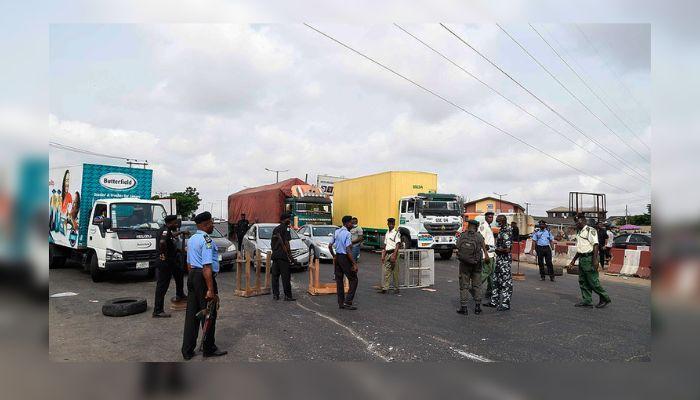
    Many people search for how to avoid extortion at checkpoints because they have experienced or heard about situations where drivers, passengers, business owners, or travelers are pressured to pay illegal fees during roadside stops. These encounters can be stressful, especially when you are unsure whether a demand is legitimate or an attempt to take advantage of you.

    Knowing how checkpoints work, understanding your rights and responsibilities, and learning how to respond calmly can help you reduce the risk of being exploited. The goal is not to encourage confrontation but to help you handle these situations safely, legally, and confidently.

    Understand the Difference Between a Legitimate Checkpoint and Extortion

    Not every checkpoint is illegal. Security agencies may establish checkpoints for valid reasons such as traffic enforcement, vehicle inspections, public safety checks, or crime prevention.

    The problem begins when an official or unofficial actor uses a checkpoint as an opportunity to demand money without a lawful reason.

    Extortion at checkpoints often involves:

    • Demanding money without issuing an official receipt or explanation
    • Threatening unnecessary delays, arrest, damage to property, or harassment
    • Creating fake violations to pressure someone into paying
    • Asking for “something small” or “settlement” instead of following proper procedures
    • Targeting people who appear unfamiliar with their rights

    A legitimate penalty or fee usually follows a recognized process. Extortion relies on fear, confusion, and pressure.

    Keep Your Documents Complete and Updated

    One of the easiest ways to reduce problems at checkpoints is to ensure your documents are valid before traveling.

    Depending on your location and situation, this may include:

    • Driver’s license
    • Vehicle registration documents
    • Insurance documents
    • Roadworthiness certificate where required
    • Identification documents
    • Business permits or relevant licenses

    Incomplete documents can create genuine issues and may give dishonest individuals an opportunity to pressure you.

    Before starting a journey, take a few minutes to confirm that your important documents are available and not expired.

    Know the Common Tactics Used During Checkpoint Extortion

    Understanding common methods can help you recognize warning signs early.

    Creating Fear Through Threats

    A person may claim:

    • “Your vehicle will be seized”
    • “You will be arrested immediately”
    • “You have committed a serious offense”
    • “You must pay now”

    Sometimes these statements are designed to make you panic before you can think clearly.

    A calm response is usually more effective than arguing.

    Ask politely:

    • What specific offense has occurred?
    • What law or regulation applies?
    • What is the official procedure?
    • Can you provide written documentation or a receipt?

    A person attempting extortion may become uncomfortable when asked to follow a proper process.

    Using Confusing Rules

    Some people exploit the fact that many travelers do not know traffic regulations or enforcement procedures.

    They may mention unclear violations or use technical language to create confusion.

    Avoid paying immediately simply because someone sounds authoritative. Ask questions and request clarification.

    Pressuring You to Pay Immediately

    Urgency is a common tool used in extortion.

    Statements like:

    • “Pay now or we move your vehicle”
    • “Don’t waste time”
    • “Everyone pays here”

    are warning signs.

    Legitimate enforcement normally has procedures, not just verbal pressure.

    Stay Calm and Avoid Escalating the Situation

    A checkpoint encounter can become risky if emotions rise.

    Avoid:

    • Insulting the officer or person stopping you
    • Shouting or making threats
    • Physically resisting
    • Recording aggressively in a way that increases tension
    • Making accusations you cannot prove

    Instead:

    • Speak respectfully
    • Keep your tone calm
    • Ask clear questions
    • Avoid unnecessary arguments

    Your safety should come before proving a point.

    Do Not Voluntarily Offer Money

    Offering money quickly can encourage further demands.

    If someone asks for an unofficial payment, avoid statements like:

    • “How much do you want?”
    • “Can I settle this?”
    • “Take something small”

    These responses may signal that you are willing to negotiate.

    A better approach is to ask for the official process.

    For example:

    “I would like to follow the correct procedure. Please explain the official requirement.”

    This keeps the conversation focused on rules rather than informal payments.

    Ask for Identification When Appropriate

    If someone claims to be an official, you can politely request identification.

    You may ask:

    • Their name
    • Their agency or organization
    • The reason for the stop

    Legitimate officials should generally be able to identify themselves.

    However, use judgment. If requesting identification appears to increase danger, prioritize leaving the situation safely rather than proving a point.

    Understand When to Cooperate and When to Report

    Not every disagreement at a checkpoint should become a confrontation.

    If the situation is safe, you can document important details such as:

    • Location of the checkpoint
    • Date and time
    • Names or identifying information
    • Vehicle details
    • What was requested
    • Witnesses present

    This information can help if you decide to report the incident.

    Depending on your country, reports may be made through:

    • The relevant law enforcement agency
    • Anti-corruption authorities
    • Transport regulatory bodies
    • Official complaint channels

    Always verify the correct reporting process in your area.

    Use Technology to Protect Yourself

    Technology can help create evidence and improve accountability.

    Useful practices include:

    Use a Dashcam

    A vehicle camera can record interactions on the road and provide useful evidence if disputes occur.

    Keep Digital Copies of Documents

    Store copies of important documents securely on your phone or cloud storage.

    This helps if physical documents are lost or damaged.

    Share Your Travel Plans

    For long trips, inform trusted people about:

    • Your route
    • Expected arrival time
    • Stops along the way

    This is especially useful when traveling through unfamiliar areas.

    Avoid Looking Like an Easy Target

    While nobody deserves extortion, certain situations may attract unwanted attention.

    You can reduce unnecessary problems by:

    • Keeping your vehicle maintained
    • Avoiding obvious document issues
    • Knowing your route
    • Avoiding unnecessary arguments
    • Not displaying large amounts of cash
    • Being familiar with common checkpoint locations

    Preparation reduces vulnerability.

    What to Do If You Are Forced to Pay

    Sometimes people face situations where refusing payment may create immediate safety concerns.

    If you believe the situation could become dangerous:

    1. Prioritize your safety.
    2. Avoid physical confrontation.
    3. Leave the area when possible.
    4. Record details afterward.
    5. Consider reporting through appropriate channels.

    A small payment made under pressure may feel unfair, but protecting your personal safety is the immediate priority.

    The important step is documenting the incident and using official complaint systems when available.

    Common Mistakes People Make at Checkpoints

    Arguing Aggressively

    Trying to win an argument can sometimes make the situation worse.

    Respectful communication is usually more effective.

    Carrying Incomplete Documents

    Missing paperwork can turn a simple stop into a longer interaction.

    Paying Without Asking Questions

    Quick payments may encourage repeated demands.

    Assuming Every Uniformed Person Is Automatically Legitimate

    A uniform alone does not guarantee proper authority. Ask reasonable questions.

    Recording Without Considering Safety

    Documentation can help, but recording should not put you at greater risk.

    How Businesses and Commercial Drivers Can Reduce Checkpoint Problems

    Businesses that transport goods or operate vehicles regularly should take additional steps.

    Useful practices include:

    • Training drivers on proper checkpoint procedures
    • Keeping vehicle documents organized
    • Creating company reporting systems
    • Maintaining trip records
    • Teaching drivers how to communicate professionally during stops

    A business that prepares its drivers reduces confusion and improves accountability.

    Frequently Asked Questions

    Is it illegal to pay money at a checkpoint?

    It depends on the situation and local laws. Official fees, fines, or penalties may be lawful when properly issued. Paying unofficial demands or bribes may create legal problems and encourages abusive practices.

    Should I argue with someone demanding money?

    Usually, no. A calm approach is safer. Ask questions, request proper procedures, and avoid escalating the encounter.

    Can I report checkpoint extortion?

    Yes. Many countries have agencies responsible for handling complaints about corruption, abuse of authority, or illegal demands. Use official reporting channels available in your area.

    What is the best way to prepare before traveling?

    Carry valid documents, understand common road requirements, plan your route, keep emergency contacts available, and avoid carrying unnecessary cash.

    Final Thoughts

    Avoiding checkpoint extortion is not only about knowing what to say. It is about preparation, awareness, and handling stressful situations wisely.

    Keep your documents updated, understand legitimate procedures, stay calm during encounters, and avoid actions that increase risk. When possible, document incidents and use official channels to report unlawful behavior.

    The safest approach is to protect yourself while maintaining respect for lawful authority and prioritizing your personal safety.

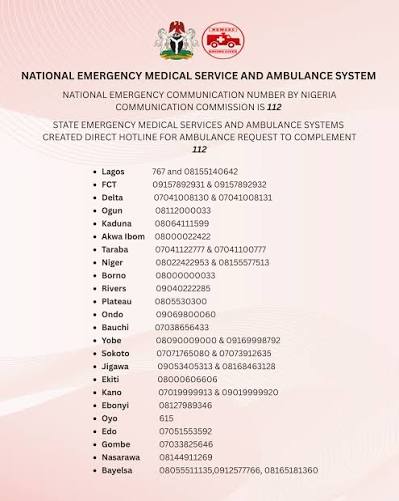
  • Emergency Numbers for Road Accidents: Who to Call and What to Do After a Crash

    Emergency Numbers for Road Accidents: Who to Call and What to Do After a Crash

    A road accident can happen within seconds, leaving drivers, passengers, and bystanders unsure about what to do next. In those moments, knowing the right emergency numbers for road accidents can help you get medical assistance, report the incident, and receive support faster.

    The first few minutes after a crash are often the most important. Someone may need urgent medical care, traffic control may be required, or authorities may need to secure the area to prevent further accidents. Having the correct emergency contacts saved on your phone can make a real difference when every second matters.

    This guide explains the emergency numbers to call after a road accident, what each service does, and the steps you should take while waiting for help.

    Emergency numbers to call after a road accident

    The emergency number you should call depends on your country and location. Different services handle different parts of an accident response, including medical emergencies, police assistance, fire rescue, and road safety support.

    For many countries, there is a general emergency number that connects callers to multiple services. However, some regions still use separate numbers for police, ambulance, and fire services.

    If you are in Nigeria, the main emergency numbers for road accidents include:

    Emergency service Number When to call
    National Emergency Management Agency (NEMA) 112 General emergencies requiring urgent assistance
    Federal Road Safety Corps (FRSC) 122 Road crashes, traffic emergencies, and road safety assistance
    Police emergency line 112 Security concerns, accidents involving disputes, crime, or serious incidents
    Fire and rescue services 112 Vehicle fires or rescue situations

    Emergency numbers may change or vary depending on your location, so it is advisable to confirm the correct numbers for your state or region and save them before an emergency occurs.

    What emergency services do after a road accident

    Many people call emergency numbers without knowing which service can help. Understanding their roles helps you contact the right people quickly.

    Medical emergency services

    Medical responders provide urgent care for injured victims. They may:

    • Treat bleeding and injuries at the accident scene
    • Provide first aid
    • Transport seriously injured people to hospitals
    • Assess victims who appear fine but may have hidden injuries

    Some injuries, such as internal bleeding or head trauma, may not be immediately visible. Getting medical attention quickly can prevent complications.

    Road safety authorities

    Road safety agencies help manage crash situations by:

    • Arriving at accident scenes
    • Assisting injured victims
    • Controlling traffic around the area
    • Documenting accident details
    • Helping remove damaged vehicles from dangerous positions

    In Nigeria, the Federal Road Safety Corps (FRSC) plays a major role in responding to road crashes and improving road safety awareness.

    Police assistance

    Police support may be necessary when:

    • There is a serious injury or death
    • Drivers disagree about what happened
    • A driver leaves the scene
    • There is suspected reckless driving or criminal activity
    • Property damage requires an official report

    A police report may also be important for insurance claims or legal processes.

    Fire and rescue services

    Vehicle accidents sometimes involve trapped passengers, fuel leaks, or fires. Fire and rescue teams have equipment to:

    • Remove people trapped inside vehicles
    • Control vehicle fires
    • Handle dangerous situations around damaged vehicles


    What to do immediately after a road accident

    Calling emergency services is important, but your actions before help arrives can also protect lives.

    Check if the area is safe

    Before approaching an accident scene, look for dangers such as:

    • Moving traffic
    • Fire or smoke
    • Fuel leaking from vehicles
    • Broken glass
    • Electrical hazards

    Do not put yourself in danger while trying to help others.

    Move to a safe location if possible

    If your vehicle is still operational and there are no serious injuries, move it away from traffic when it is safe to do so.

    If moving the vehicle could worsen injuries or create another danger, leave it and wait for emergency responders.

    Check injured people

    If you can safely assist, check whether victims are:

    • Conscious
    • Breathing normally
    • Bleeding heavily

    Avoid moving seriously injured people unless they are in immediate danger, such as a vehicle fire. Moving someone with a possible spinal injury can make their condition worse.

    Call emergency services with clear information

    When calling, provide details such as:

    • Exact accident location
    • Nearby landmarks
    • Number of vehicles involved
    • Number of injured people
    • Type of injuries observed
    • Whether there is a fire or danger at the scene

    Clear information helps responders prepare before arriving.

    For example, instead of saying:

    “An accident happened on the highway.”

    Give details like:

    “There is a crash involving two vehicles on the Abuja-Kaduna highway near the toll gate. Three people appear injured, and one person is trapped inside a vehicle.”

    Common mistakes people make after road accidents

    Knowing what not to do can prevent further harm.

    Leaving the accident scene

    Driving away after an accident, especially one involving injuries, can create serious legal problems. Even if you are not responsible for the crash, leaving may make the situation worse.

    Arguing instead of helping

    Some accident scenes become chaotic because drivers immediately focus on blame. The first priority should be safety and getting help for anyone injured.

    Giving injured people food or drinks

    People often try to help by offering water or food. This can be risky because some medical procedures may require an empty stomach, and unconscious victims may choke.

    Recording instead of helping

    Taking photos or videos may be useful for documentation, but helping injured people and contacting emergency services should come first.

    How to prepare before a road accident happens

    Emergency preparation is not only for drivers. Passengers and regular road users can also benefit from knowing what to do.

    Save emergency contacts on your phone

    Add important numbers with clear names, such as:

    • Emergency services
    • Road safety authorities
    • Family members
    • Your insurance provider

    Do not rely only on searching online during an emergency because network problems or panic may make it difficult.

    Keep basic safety items in your vehicle

    Useful items may include:

    • First aid kit
    • Warning triangle
    • Flashlight
    • Fire extinguisher
    • Reflective vest
    • Phone charger or power bank

    These items can help you stay safer while waiting for assistance.

    Learn basic first aid

    Basic first aid knowledge can help you respond before professional help arrives. Simple skills like controlling severe bleeding or checking breathing can be valuable during emergencies.

    What information to collect after a road accident

    Once the situation is safe and emergency assistance has been contacted, collect important details if you are able to do so.

    Useful information includes:

    • Names and contact details of drivers involved
    • Vehicle registration numbers
    • Insurance details
    • Photos of vehicle damage and the accident scene
    • Contact details of witnesses
    • Official accident report information

    Avoid admitting fault at the scene before the facts are properly assessed.

    Emergency numbers for road accidents when travelling abroad

    If you travel to another country, do not assume your local emergency number will work.

    Many countries use a universal emergency number:

    • 112 works across many European countries and some other regions.
    • 911 is commonly used in the United States, Canada, and some other locations.

    Before travelling, check the emergency numbers for your destination and save them offline.

    Why saving emergency numbers matters

    Most people do not expect to experience a road accident, but emergencies often happen without warning. Searching for a number during a stressful situation wastes valuable time.

    A saved emergency contact allows you to act quickly, communicate clearly, and get the right assistance.

    The best time to prepare emergency contacts is before you need them. Save important numbers today, keep your phone charged while travelling, and make sure passengers know what to do if an accident happens.

  • Road Trip Checklist for Nigeria: Everything You Need Before Starting Your Journey

    Road Trip Checklist for Nigeria: Everything You Need Before Starting Your Journey

    A road trip in Nigeria can be exciting, flexible, and memorable, but it can also become stressful when you discover you forgot something important halfway through the journey. Long distances, changing road conditions, limited service areas, unpredictable weather, and vehicle challenges mean preparation matters.

    A proper road trip checklist for Nigeria helps you avoid common problems such as vehicle breakdowns, delays, unnecessary expenses, and safety risks. Whether you are travelling from Lagos to Abuja, Abuja to Kaduna, Port Harcourt to Enugu, or taking a weekend trip to a nearby destination, having the right items and information ready makes the journey smoother.

    This checklist covers what to prepare before leaving, what to carry in your vehicle, documents you need, safety items, personal essentials, and practical tips that match real driving conditions in Nigeria.

    Vehicle Preparation Checklist Before a Nigerian Road Trip

    Your vehicle is the most important part of your road trip preparation. Many road trip problems happen because drivers assume their car is ready without checking basic things.

    A few minutes of inspection before leaving can prevent hours of frustration on the road.

    Check Your Engine Oil and Other Fluids

    Before a long journey, check your:

    • Engine oil level
    • Coolant level
    • Brake fluid
    • Transmission fluid (if applicable)
    • Windshield washer fluid

    Low engine oil or coolant problems can cause serious engine damage, especially during long-distance driving under hot weather conditions.

    If your vehicle is due for servicing, handle it before the trip rather than waiting until after you start experiencing problems.

    Inspect Your Tires

    Tire problems are among the most common issues during road trips.

    Check:

    • Tire pressure
    • Tire condition
    • Spare tire condition
    • Tire cracks or unusual wear
    • Wheel alignment issues

    Do not only check the four tires on the vehicle. Confirm that your spare tire is properly inflated and usable.

    A flat spare tire is useless during an emergency.

    Test Your Brakes

    Your brakes should respond properly before travelling.

    Pay attention to:

    • Grinding sounds
    • Soft brake pedals
    • Vehicle pulling to one side when braking
    • Reduced braking power

    If you notice any warning signs, fix the problem before starting your trip.

    Check Lights and Electrical Systems

    Make sure all lights work properly:

    • Headlights
    • Brake lights
    • Indicators
    • Hazard lights
    • Reverse lights

    Good visibility is important, especially because many Nigerian highways involve night driving, heavy trucks, and areas with limited street lighting.

    Carry Basic Car Emergency Tools

    A prepared vehicle should include:

    • Car jack
    • Wheel spanner
    • Warning triangle
    • Jumper cables
    • Flashlight
    • Work gloves
    • Basic toolkit
    • Tire inflator or portable air pump

    These items can help you handle minor problems without waiting for assistance.

    Documents to Carry for a Road Trip in Nigeria

    Keeping your documents organised saves time during security checks, traffic stops, or emergencies.

    Carry the following:

    Driver’s Documents

    • Valid driver’s licence
    • Vehicle registration documents
    • Insurance documents
    • Roadworthiness certificate where applicable
    • Any required vehicle permits

    It is advisable to keep both physical copies and digital copies stored securely on your phone.

    Personal Identification

    Carry a valid means of identification such as:

    • National identification card
    • International passport
    • Other recognised identification documents

    You may need identification during certain situations, especially when travelling between states.

    Road Trip Safety Items You Should Pack

    Safety preparation is not only about the vehicle. Personal safety items can make a major difference during unexpected situations.

    First Aid Kit

    Your first aid kit should include basic supplies such as:

    • Plasters
    • Antiseptic
    • Gauze
    • Pain relief medication
    • Medical tape
    • Hand sanitizer
    • Personal medications

    If anyone travelling with you has specific medical needs, pack enough medication for the entire journey.

    Emergency Contact Information

    Save important numbers before leaving.

    Include:

    • Family contacts
    • Insurance provider
    • Roadside assistance contacts
    • Accommodation contacts
    • Travel companions’ phone numbers

    Do not rely only on internet access. Write down important numbers if possible.

    Power Bank and Charging Accessories

    Power issues can become a problem during long trips.

    Carry:

    • Fully charged power banks
    • Car phone charger
    • Charging cables
    • Extra phone batteries if available

    Your phone may be your main navigation and emergency communication tool.

    Food and Water Checklist for Nigerian Road Trips

    Not every route has reliable food stops or clean water options, especially on less busy roads.

    Pack:

    • Drinking water
    • Snacks
    • Fruits
    • Biscuits
    • Energy bars
    • Simple meals where necessary

    Water is especially important during hot weather or long journeys where traffic delays may occur.

    Avoid carrying food that spoils quickly unless you have proper storage.

    Clothing and Personal Items to Pack

    Your packing list depends on your destination and trip duration, but these items are useful for most Nigerian road trips:

    • Comfortable clothes
    • Extra underwear
    • Comfortable shoes
    • Light jacket or sweater
    • Rain protection
    • Sunglasses
    • Hat or cap
    • Personal hygiene items
    • Towels
    • Toiletries

    A light jacket can be useful even in warm areas because air conditioning in vehicles can become uncomfortable during long trips.

    Navigation and Communication Preparation

    Getting lost can waste time, fuel, and money.

    Before leaving:

    • Download offline maps if possible
    • Check your route
    • Identify fuel stations along the way
    • Save important locations
    • Inform someone about your travel plans

    Mobile network coverage can vary depending on location, so offline navigation tools are useful.

    Apps such as Google Maps can help with directions, but always use common sense because road conditions may change faster than map information.

    Fuel Planning for Long-Distance Travel

    Fuel availability varies across Nigerian routes.

    Before travelling:

    • Fill your tank before leaving major cities
    • Know where reliable fuel stations are located
    • Avoid waiting until your fuel warning light comes on
    • Carry enough money for fuel stops

    During periods of fuel scarcity, planning becomes even more important because some stations may have long queues or limited supply.

    Money and Payment Preparation

    Although digital payments are increasingly common, cash remains useful during road trips.

    Carry:

    • Some cash for emergencies
    • Bank cards
    • Mobile banking access
    • Small denominations for minor expenses

    You may need cash for:

    • Food stops
    • Parking
    • Small roadside services
    • Unexpected situations

    Avoid keeping all your money in one place.

    Weather Preparation for Nigerian Roads

    Weather conditions can affect driving significantly.

    Before travelling, consider:

    • Rain forecasts
    • Flood-prone areas
    • Harmattan conditions
    • Extreme heat

    During rainy seasons, some roads may become difficult to pass because of flooding, potholes, or reduced visibility.

    Adjust your driving speed based on conditions rather than only the distance you need to cover.

    Entertainment and Comfort Items for Passengers

    Long trips can become tiring, especially for children or multiple passengers.

    Useful items include:

    • Headphones
    • Music playlists
    • Books
    • Travel games
    • Pillows
    • Blankets
    • Eye masks

    Comfort helps reduce stress during long hours on the road.

    Road Trip Checklist for Families Travelling With Children

    Travelling with children requires extra planning.

    Pack:

    • Extra clothes
    • Snacks
    • Water
    • Wipes
    • Diapers if needed
    • Child medication
    • Entertainment items
    • Comfort items

    Plan regular stops so children can stretch, use restrooms, and relax.

    Common Road Trip Mistakes Nigerians Should Avoid

    Even experienced drivers can make mistakes when preparing for long journeys.

    Starting Without Vehicle Inspection

    A car that works perfectly for short city trips may develop problems during a long highway journey.

    Always inspect your vehicle before leaving.

    Travelling Without Enough Fuel

    Waiting until the last minute to buy fuel can create unnecessary stress, especially on unfamiliar routes.

    Ignoring Rest

    Driver fatigue is a serious safety issue.

    Take breaks when needed. If possible, share driving responsibilities during very long journeys.

    Overloading the Vehicle

    Too many passengers or excessive luggage can affect:

    • Braking distance
    • Fuel consumption
    • Vehicle handling

    Pack only what you need and avoid exceeding your vehicle’s capacity.

    Driving at Unsafe Times

    Some travellers prefer night journeys because roads may be less busy, but visibility challenges and fatigue can increase risks.

    Consider your route, experience level, and road conditions before deciding when to travel.

    A Simple Nigerian Road Trip Packing Checklist

    Before leaving, confirm that you have:

    Vehicle

    ☐ Checked engine oil
    ☐ Checked coolant
    ☐ Inspected tires
    ☐ Confirmed spare tire condition
    ☐ Tested lights
    ☐ Checked brakes
    ☐ Packed emergency tools

    Documents

    ☐ Driver’s licence
    ☐ Vehicle documents
    ☐ Insurance documents
    ☐ Identification documents

    Safety

    ☐ First aid kit
    ☐ Warning triangle
    ☐ Flashlight
    ☐ Power bank
    ☐ Emergency contacts

    Personal Items

    ☐ Clothes
    ☐ Toiletries
    ☐ Water
    ☐ Snacks
    ☐ Phone charger
    ☐ Cash and payment options

    Travel Planning

    ☐ Route checked
    ☐ Fuel stops identified
    ☐ Accommodation confirmed if needed
    ☐ Someone informed about your trip

    A successful road trip in Nigeria is usually the result of preparation before the journey begins. The goal is not to pack everything possible, but to carry the items that solve the problems most likely to happen on the road.

    Before you start your engine, take time to check your vehicle, organise your documents, prepare for unexpected delays, and plan your route. A little preparation can turn a stressful trip into a safe and enjoyable experience.

  • How to Prepare Your Car for Long-Distance Travel

    How to Prepare Your Car for Long-Distance Travel

    A long-distance road trip can be exciting, but a vehicle that is not properly prepared can quickly turn a smooth journey into a stressful experience. A flat tire in an unfamiliar location, an overheated engine on a remote highway, or a weak battery that fails at the wrong time can create unnecessary delays and safety risks.

    Learning how to prepare your car for long-distance travel helps you reduce the chances of unexpected breakdowns and gives you confidence behind the wheel. The preparation process is not only about checking fuel and packing luggage. It involves making sure your vehicle is mechanically ready, your safety equipment is available, and you have a plan for handling problems if they happen.

    Before leaving for a long trip, inspect important systems, fix small issues early, and make sure your car can handle the distance, road conditions, and weather you may encounter.

    Start with a Complete Vehicle Inspection

    Before any long journey, take time to inspect your vehicle carefully. Small problems that seem harmless during short daily drives can become serious when your car is running continuously for several hours.

    A good inspection should focus on the parts most likely to affect reliability and safety.

    Check your engine oil and fluid levels

    Engine oil helps reduce friction between moving engine parts and prevents excessive wear. Low or dirty oil can increase engine stress, especially during long highway driving.

    Check:

    • Engine oil level
    • Coolant level
    • Brake fluid
    • Transmission fluid
    • Power steering fluid (if your vehicle uses hydraulic power steering)
    • Windshield washer fluid

    If your oil change is due soon, it is better to complete it before your trip rather than waiting until after you return.

    For example, a vehicle that normally travels short distances around town may tolerate slightly overdue maintenance, but several hours of highway driving can place much greater demand on the engine.

    Inspect the cooling system

    Overheating is one of the most common problems drivers experience during long trips. Your cooling system works harder during extended driving, especially in hot weather or heavy traffic.

    Check:

    • Coolant level
    • Radiator condition
    • Cooling fans
    • Hoses for cracks or leaks
    • Signs of coolant leakage under the vehicle

    Never ignore warning signs such as rising temperature gauges, steam from the engine area, or a sweet smell from leaking coolant.

    Check Your Tires Before Leaving

    Your tires are the only part of your car that directly touches the road, making them one of the most important safety checks before a long journey.

    A tire problem can affect braking, steering control, fuel efficiency, and overall safety.

    Check tire pressure

    Incorrect tire pressure can cause:

    • Poor handling
    • Faster tire wear
    • Reduced fuel economy
    • Increased risk of tire failure

    Check your tire pressure when the tires are cold and compare it with the recommended pressure listed in your vehicle manual or the sticker usually found on the driver’s door frame.

    Do not rely only on how the tires look. A tire can be underinflated without appearing obviously flat.

    Inspect tire condition

    Look for:

    • Cracks on the sidewalls
    • Uneven tread wear
    • Bulges or damage
    • Objects stuck in the tire
    • Low tread depth

    If your tires are already worn, replacing them before a long trip is usually safer than risking a failure far from home.

    Do not forget the spare tire

    Many drivers check their four main tires but forget the spare.

    Confirm that:

    • The spare tire is properly inflated
    • The jack is available
    • The wheel wrench is present
    • You know how to use the equipment

    A spare tire is only useful if you can actually install it when needed.

    Test Your Battery and Electrical System

    Battery problems often appear without much warning. A battery that starts your car normally during everyday use may struggle after sitting for hours in extreme temperatures.

    Before traveling, check:

    • Battery age
    • Corrosion around terminals
    • Loose connections
    • Signs of weak starting power

    Common signs of battery trouble include:

    • Slow engine cranking
    • Flickering dashboard lights
    • Difficulty starting the vehicle
    • Electrical accessories behaving unusually

    If your battery is old or showing warning signs, consider having it tested before your trip.

    Inspect Your Brakes

    Your brakes must perform reliably throughout the journey, especially when driving on highways, mountains, or unfamiliar roads.

    Pay attention to warning signs such as:

    • Squealing or grinding sounds
    • Vibrations when braking
    • A soft brake pedal
    • Longer stopping distances
    • Brake warning lights

    A professional inspection may be necessary if you notice any of these issues.

    Brake problems rarely improve on their own. A small issue can become more expensive and dangerous if ignored.

    Check Lights and Visibility Equipment

    Good visibility is essential during long-distance travel, especially when driving at night or during bad weather.

    Test:

    • Headlights
    • Brake lights
    • Turn signals
    • Hazard lights
    • Reverse lights
    • Fog lights if equipped

    Also check:

    • Windshield wipers
    • Windshield condition
    • Mirrors
    • Washer fluid level

    Old windshield wipers may leave streaks that reduce visibility during rain.

    Review Your Car Maintenance Schedule

    Your vehicle manufacturer provides recommended maintenance intervals based on mileage and driving conditions.

    Before a long trip, check whether you are due for services such as:

    • Oil changes
    • Air filter replacement
    • Tire rotation
    • Brake inspection
    • Transmission service
    • Spark plug replacement
    • Belt inspection

    A long-distance trip is not the ideal time to discover that a maintenance item was overdue.

    If your vehicle is already showing warning signs, complete repairs before traveling rather than hoping the problem disappears.

    Prepare an Emergency Kit

    Even a well-maintained car can experience unexpected problems. Carrying basic emergency supplies can make a difficult situation easier to manage.

    A useful roadside emergency kit may include:

    • First aid kit
    • Flashlight
    • Extra batteries
    • Phone charger or power bank
    • Reflective warning triangles
    • Basic tools
    • Tire repair kit
    • Jumper cables
    • Work gloves
    • Water
    • Emergency snacks
    • Blanket or warm clothing depending on the climate

    The exact items you need depend on your route, weather conditions, and how far you will travel from major services.

    For example, a driver traveling through remote areas may need more supplies than someone driving between major cities with frequent service stations.

    Plan Your Route Before You Drive

    Vehicle preparation is only one part of a successful long-distance trip. Planning your route reduces stress and helps you respond better to unexpected situations.

    Before leaving, consider:

    • Road conditions
    • Fuel availability
    • Rest stops
    • Weather forecasts
    • Traffic patterns
    • Alternative routes

    Avoid depending completely on mobile internet access. Download offline maps if you are traveling through areas with unreliable network coverage.

    It is also helpful to share your travel plans with someone you trust, especially for very long journeys.

    Pack Your Vehicle Properly

    How you load your car can affect safety and comfort.

    Avoid:

    • Overloading the vehicle
    • Blocking your rear visibility
    • Placing heavy items where they can shift during movement

    Heavy luggage should be placed low and secured properly. Loose objects inside the vehicle can become dangerous during sudden braking.

    Also check your vehicle’s maximum load capacity. Carrying too much weight can increase braking distance, reduce fuel efficiency, and put extra strain on tires and suspension components.

    Check Your Fuel and Driving Range

    Do not wait until your fuel warning light appears before looking for a gas station, especially when traveling unfamiliar roads.

    Before leaving:

    • Fill your tank
    • Know your vehicle’s average fuel range
    • Identify fuel stops along your route

    This is especially important when driving through rural areas where stations may be far apart.

    Adjust Your Driving Habits for Long Trips

    A prepared vehicle still requires a prepared driver.

    Long-distance driving creates fatigue, which can affect reaction time and decision-making.

    To stay safer:

    • Take regular breaks
    • Avoid driving when extremely tired
    • Stay hydrated
    • Share driving responsibilities when possible
    • Avoid distractions such as phone use

    Many long-trip accidents happen because drivers underestimate fatigue.

    A short rest break can be more valuable than pushing through exhaustion.

    Consider a Professional Inspection Before a Major Journey

    If you are planning a very long trip, traveling with an older vehicle, or driving through challenging conditions, a professional inspection can provide extra confidence.

    A mechanic can check areas that may be difficult for the average driver to evaluate, including:

    • Suspension components
    • Steering system
    • Belts and hoses
    • Brake condition
    • Engine performance
    • Electrical systems

    This does not guarantee that problems will never occur, but it helps identify issues before they become emergencies.

    Common Mistakes People Make Before Long-Distance Travel

    Many drivers focus only on obvious things like fuel and luggage while ignoring important mechanical checks.

    Common mistakes include:

    Ignoring dashboard warning lights

    Warning lights should never be treated as minor inconveniences. They often indicate problems that need attention before a long journey.

    Checking tires only after a problem happens

    Tire damage is easier and cheaper to address before a trip than during an emergency.

    Assuming a recently used car is automatically ready

    A vehicle that works for short daily trips may still have issues that appear during extended driving.

    Forgetting personal preparation

    Drivers also need preparation. Lack of sleep, poor planning, and unrealistic travel schedules can create risks even when the vehicle is in good condition.

    Final Checklist Before You Leave

    Before starting your journey, confirm:

    • Engine oil and fluids are at proper levels
    • Tires are correctly inflated and in good condition
    • Spare tire and tools are available
    • Battery is reliable
    • Brakes work properly
    • Lights and wipers are functioning
    • Emergency supplies are packed
    • Route and fuel stops are planned
    • Vehicle is not overloaded
    • Driver is rested and ready

    Preparing your car for a long-distance trip does not require complicated mechanical knowledge. It requires attention to the areas that affect reliability and safety most. A few hours spent checking your vehicle before departure can prevent expensive repairs, dangerous situations, and unnecessary stress during your journey.