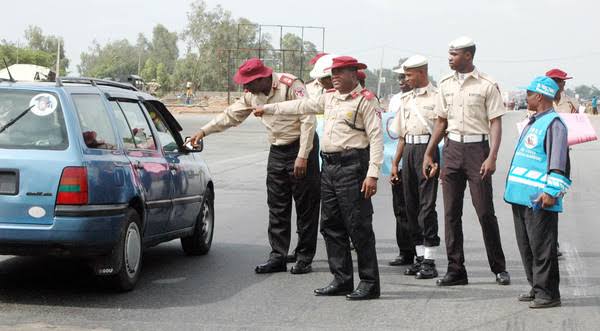
Being stopped by the Federal Road Safety Corps (FRSC) can feel stressful, especially if you are unsure why you were flagged down or what your rights and responsibilities are during a roadside check.
Many drivers make the situation worse by arguing, refusing to cooperate, or panicking. A calm and informed approach helps you handle the encounter properly, protect yourself, and resolve any genuine traffic issue quickly.
If you are wondering what to do if stopped by FRSC, the most important things are to remain calm, cooperate respectfully, understand the reason for the stop, and follow the correct process if an offence is identified.
Why FRSC Officers Stop Drivers
The FRSC is responsible for promoting road safety, enforcing traffic regulations, and reducing road crashes across Nigeria. Officers may stop vehicles for different reasons, including checking compliance with road safety requirements or investigating possible violations.
Common reasons you may be stopped include:
- Driving without a valid driver’s licence
- Failure to use a seat belt
- Using a phone while driving
- Driving without proper vehicle documents
- Overloading a vehicle
- Dangerous driving behaviour
- Roadworthiness concerns
- Vehicle lighting issues
- Disobeying traffic signs or road markings
- Suspected driving under the influence of alcohol or drugs
A roadside stop does not automatically mean you have committed an offence. The purpose of the interaction is to determine whether there is a violation and address it according to the law.
Stay Calm and Pull Over Safely
The first thing to do when an FRSC officer signals you to stop is to avoid sudden movements or aggressive reactions.
Reduce your speed gradually and stop at a safe location where possible. Avoid stopping in a dangerous position that could put you, other road users, or the officer at risk.
After stopping:
- Turn off your engine if appropriate
- Keep your hands visible
- Remain inside the vehicle unless asked to step out
- Avoid making sudden movements
- Stay polite and respectful
A calm attitude can prevent a simple traffic check from becoming a stressful confrontation.
Ask Why You Were Stopped
After stopping, politely ask the officer the reason for the stop.
You can say something like:
“Officer, please may I know the reason I was stopped?”
Understanding the reason helps you know what issue needs to be addressed. It also allows you to provide an explanation if there is a misunderstanding.
For example, if an officer claims you were not wearing a seat belt but you believe you were, you can calmly explain your side rather than immediately arguing.
Respectful communication is usually more effective than confrontation.
Provide Your Documents When Requested
FRSC officers may request relevant driving and vehicle documents during enforcement checks.
Common documents include:
- Driver’s licence
- Vehicle licence
- Proof of ownership documents where applicable
- Roadworthiness certificate
- Insurance certificate
- Other required vehicle documents
Provide genuine documents when requested.
Drivers should avoid presenting fake documents or expired documents because this can create more serious problems.
It is also important to avoid handing over unnecessary personal items such as your phone, bank card, or unrelated documents.
Understand the Traffic Offence Before Accepting a Penalty
If an officer says you committed a traffic offence, ask for clarification.
You should understand:
- The specific offence involved
- The applicable penalty
- The official process for payment or resolution
Do not simply accept an offence you do not understand because you feel pressured.
FRSC penalties are typically handled through official procedures, and drivers should avoid paying unofficial cash demands.
If a fine is issued, request the proper documentation or follow the approved payment process.
Do Not Argue or Become Aggressive
One of the biggest mistakes drivers make during FRSC stops is turning the situation into an argument.
Aggressive behaviour, insults, threats, or refusing to cooperate can escalate the encounter and may create additional legal problems.
Even if you believe the officer is wrong:
- Stay calm
- Ask questions politely
- Explain your position clearly
- Request proper documentation
- Use official complaint channels if necessary
A respectful approach protects you better than a heated argument.
What to Do If You Believe an FRSC Officer Is Acting Unfairly
There may be situations where a driver believes an enforcement action is unfair or improper.
If this happens:
- Remain calm during the roadside interaction.
- Avoid physical confrontation.
- Ask for the officer’s identification details if appropriate.
- Record relevant information about the incident.
- Use official FRSC complaint channels to report the issue.
When documenting an incident, focus on facts:
- Location
- Date and time
- Vehicle details
- Officer details if available
- What happened during the interaction
Avoid provoking the officer or obstructing their duties while trying to collect information.
Can You Record an FRSC Officer During a Stop?
Many drivers wonder whether they can record a roadside interaction.
Recording events in public may be useful for documenting what happened, but drivers should do so carefully and respectfully. Do not use recording as a way to provoke, insult, or obstruct an officer performing official duties.
The goal should be documentation, not confrontation.
Common Mistakes Drivers Make During FRSC Stops
Many roadside problems become worse because of avoidable mistakes.
Trying to Bribe the Officer
Offering money to avoid a traffic offence can create serious legal issues. The safer approach is to follow the official process for handling violations.
Driving Away After Being Asked to Stop
Ignoring a lawful instruction to stop can put you at greater risk and may lead to additional offences.
Refusing to Show Documents
If you have valid documents, refusing to provide them can make the situation more difficult.
Insulting or Threatening Officers
Disrespectful behaviour can escalate a simple check into a more serious incident.
Giving False Information
Providing false details about yourself or your vehicle can create further problems.
How to Prepare Before Driving in Nigeria
The easiest way to avoid problems during FRSC checks is preparation.
Before driving, confirm that you have:
- A valid driver’s licence
- Updated vehicle documents
- Working vehicle lights
- Properly functioning safety equipment
- Seat belts for occupants
- A roadworthy vehicle
Drivers should also understand basic road rules, signs, and safety requirements.
Many traffic violations happen because drivers are unaware of requirements rather than intentionally breaking the law.
What If Your Vehicle Is Impounded by FRSC?
In some situations, a vehicle may be taken into custody because of serious violations or unresolved issues.
If this happens:
- Ask for the reason for the impoundment
- Request proper documentation
- Find out the official process for release
- Avoid unofficial payments
- Follow the required legal or administrative steps
The release process may depend on the specific offence and applicable procedures.
Important Things to Remember During an FRSC Stop
A roadside stop does not need to become a conflict.
The best approach is:
- Stop safely when instructed
- Remain respectful
- Ask questions calmly
- Provide valid documents
- Understand any offence before accepting penalties
- Use official channels for complaints
Knowing what to do if stopped by FRSC helps you handle the situation confidently while respecting road safety enforcement.
The best protection for any driver is preparation. Keep your documents updated, follow traffic rules, and treat every road interaction with patience and professionalism.
Leave a Reply