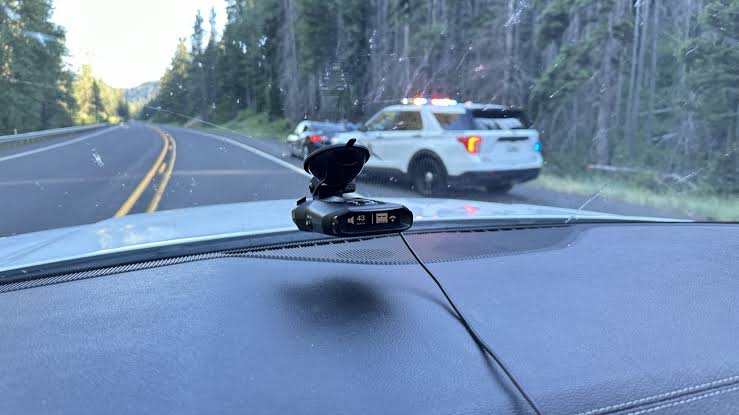
Getting a speeding ticket is more than an unexpected expense. It can add points to your driving record, increase insurance costs, waste your time dealing with fines, and create unnecessary stress. Many drivers receive tickets not because they intentionally drive dangerously, but because they lose track of their speed, misunderstand speed limits, or react too late to changing road conditions.
Learning how to avoid speeding tickets starts with developing better driving habits. It is not about constantly watching your speedometer or driving far below the limit. It is about understanding how speed limits work, recognizing situations where speeding commonly happens, and making small adjustments that help you stay safe and compliant.
Understand Why Speeding Tickets Happen
Most speeding tickets happen because drivers unintentionally exceed the posted limit. A driver may be focused on traffic, a conversation, navigation, or simply matching the speed of other vehicles without noticing they are going too fast.
Common reasons drivers get speeding tickets include:
- Not checking the speedometer regularly
- Driving faster because other cars are speeding
- Missing speed limit signs
- Rushing because they are late
- Driving downhill where speed increases naturally
- Assuming police only stop drivers going far above the limit
- Misjudging how fast they are actually traveling
Speeding laws exist because higher speeds reduce reaction time and increase the severity of crashes. Even a small increase in speed can affect how quickly a driver can stop when something unexpected happens.
Make Checking Your Speed a Habit
One of the easiest ways to avoid speeding tickets is to regularly glance at your speedometer.
Many drivers check their speed only when they see a police vehicle or notice a speed limit sign. By then, they may already be above the legal limit.
A better approach is to create natural reminders:
- Check your speed every few minutes
- Check after turning onto a new road
- Check when entering a different speed zone
- Check after passing other vehicles
- Check when driving downhill
Over time, this becomes automatic. Experienced drivers often develop a sense of how fast they are traveling, but they still confirm with the speedometer.
Pay Attention When Speed Limits Change
Speed limits often change depending on the environment. A road that allows higher speeds may suddenly reduce the limit because of schools, residential areas, construction zones, intersections, or pedestrian activity.
Many speeding tickets happen in transition areas, such as:
- Leaving a highway and entering a lower-speed road
- Passing through small towns
- Entering school zones
- Driving through construction areas
- Moving from rural roads into residential neighborhoods
Do not wait until you see a police officer or traffic sign directly in front of you. Watch for speed limit signs early and adjust your speed gradually.
Avoid Driving Based on the Speed of Other Vehicles
A common mistake is assuming that if everyone else is speeding, it must be acceptable.
Traffic flow can influence your perception of speed. When several vehicles are traveling above the limit, it may feel normal to match them. However, each driver remains responsible for their own speed.
A safer approach is:
- Follow the posted speed limit
- Maintain a safe distance from faster vehicles
- Allow others to pass if they choose to drive faster
Following the crowd is not a defense against a speeding ticket.
Leave Earlier So You Do Not Feel Pressured to Speed
Many speeding violations happen because drivers are running late.
When people feel rushed, they are more likely to:
- Accelerate aggressively
- Pass unnecessarily
- Follow other vehicles too closely
- Ignore speed limits
- Take risks at intersections
Leaving even 10 or 15 minutes earlier can significantly reduce the temptation to speed.
Good time management is one of the simplest ways to become a safer driver.
Use Technology to Help Monitor Your Speed
Modern vehicles and navigation apps often include features that can help drivers maintain appropriate speeds.
Useful tools include:
- Speed limit displays
- Speed alerts
- Cruise control
- Adaptive cruise control
- Navigation apps that show current speed limits
These tools are not a replacement for paying attention, but they can provide helpful reminders.
For example, cruise control can help maintain a consistent speed on long highway drives where drivers may slowly increase speed without noticing.
Be Extra Careful in Common Speed Trap Areas
Some locations receive more speed enforcement because speeding creates higher risks there.
Drivers should be especially aware around:
- School zones
- Residential streets
- Areas with frequent pedestrian activity
- Construction zones
- Highway entrances and exits
- Roads where speed limits recently changed
This does not mean you should slow down only where police may be present. The goal is to recognize areas where maintaining a safe speed matters most.
Learn How Your Vehicle Affects Your Speed
Different vehicles can make it easier or harder to notice speed changes.
For example:
- Powerful vehicles can accelerate quickly without feeling fast
- Large vehicles may feel slower than they actually are
- Electric vehicles can increase speed rapidly because of instant acceleration
- Long downhill roads can gradually increase speed
Understanding your vehicle helps you predict situations where you may accidentally exceed the limit.
Use Cruise Control Correctly
Cruise control can be useful for avoiding accidental speeding, especially on open roads.
However, it should be used carefully.
Avoid using cruise control when:
- Roads are slippery
- Traffic is heavy
- You need frequent speed adjustments
- Driving through areas with many pedestrians or intersections
A driver should still monitor the road and adjust speed when conditions change.
Practice Defensive Driving
Defensive driving focuses on reducing risks before they happen. It involves paying attention to road conditions, other drivers, and your surroundings.
A defensive driver:
- Keeps a safe following distance
- Anticipates possible hazards
- Adjusts speed for weather conditions
- Avoids aggressive driving behaviors
- Stays calm in traffic
Defensive driving naturally reduces speeding because it encourages drivers to focus on safety rather than simply getting to their destination faster.
Know That Small Speed Differences Can Matter
Some drivers believe they are safe from tickets if they are only slightly above the limit. While enforcement practices vary depending on location, road conditions, and local laws, exceeding the posted speed limit can still result in a violation.
More importantly, consistently driving above the limit increases the chance of receiving a ticket because the difference can become larger without you noticing.
A driver traveling slightly above the limit may gradually increase speed while keeping up with traffic, especially on open roads.
Avoid Distractions That Make You Miss Speed Changes
Distractions make it harder to notice speed limits and changing road conditions.
Common distractions include:
- Using a phone while driving
- Adjusting music or navigation
- Eating while driving
- Intense conversations
- Looking away from the road
When your attention is divided, you are more likely to miss important information such as speed limit signs or traffic conditions.
What to Do If You Notice You Are Speeding
If you realize you are driving too fast, avoid suddenly braking hard unless necessary.
Instead:
- Check your surroundings.
- Reduce speed smoothly.
- Return to a safe speed.
- Continue paying attention to your driving.
Sudden braking can create another safety risk, especially in heavy traffic.
Common Mistakes That Lead to Speeding Tickets
Avoiding speeding tickets becomes easier when you recognize common mistakes.
Assuming a familiar road has the same speed limit
Speed limits can change because of construction, new regulations, or safety concerns.
Driving faster because you are comfortable with the road
Knowing a road well does not mean hazards cannot appear.
Relying only on speed limit signs
Signs help, but drivers must also adjust speed based on weather, traffic, and road conditions.
Using another driver’s speed as a guide
Other drivers may also be speeding.
Ignoring small increases in speed
A few extra miles or kilometers per hour can become much more over time.
The Best Way to Avoid Speeding Tickets
The most reliable way to avoid speeding tickets is to build consistent habits:
- Know the speed limit before you need to react
- Check your speed regularly
- Avoid rushing
- Use driving assistance features responsibly
- Pay attention in areas where limits change
- Adjust your speed for road conditions
Avoiding speeding tickets is not about constantly worrying about law enforcement. It is about becoming a more aware driver who controls speed intentionally.
A driver who develops good speed habits protects their wallet, avoids unnecessary penalties, and creates safer roads for everyone.
Leave a Reply