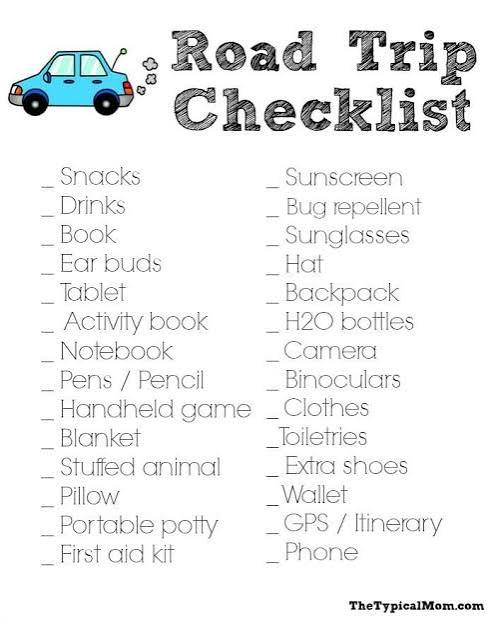
A road trip in Nigeria can be exciting, flexible, and memorable, but it can also become stressful when you discover you forgot something important halfway through the journey. Long distances, changing road conditions, limited service areas, unpredictable weather, and vehicle challenges mean preparation matters.
A proper road trip checklist for Nigeria helps you avoid common problems such as vehicle breakdowns, delays, unnecessary expenses, and safety risks. Whether you are travelling from Lagos to Abuja, Abuja to Kaduna, Port Harcourt to Enugu, or taking a weekend trip to a nearby destination, having the right items and information ready makes the journey smoother.
This checklist covers what to prepare before leaving, what to carry in your vehicle, documents you need, safety items, personal essentials, and practical tips that match real driving conditions in Nigeria.
Vehicle Preparation Checklist Before a Nigerian Road Trip
Your vehicle is the most important part of your road trip preparation. Many road trip problems happen because drivers assume their car is ready without checking basic things.
A few minutes of inspection before leaving can prevent hours of frustration on the road.
Check Your Engine Oil and Other Fluids
Before a long journey, check your:
- Engine oil level
- Coolant level
- Brake fluid
- Transmission fluid (if applicable)
- Windshield washer fluid
Low engine oil or coolant problems can cause serious engine damage, especially during long-distance driving under hot weather conditions.
If your vehicle is due for servicing, handle it before the trip rather than waiting until after you start experiencing problems.
Inspect Your Tires
Tire problems are among the most common issues during road trips.
Check:
- Tire pressure
- Tire condition
- Spare tire condition
- Tire cracks or unusual wear
- Wheel alignment issues
Do not only check the four tires on the vehicle. Confirm that your spare tire is properly inflated and usable.
A flat spare tire is useless during an emergency.
Test Your Brakes
Your brakes should respond properly before travelling.
Pay attention to:
- Grinding sounds
- Soft brake pedals
- Vehicle pulling to one side when braking
- Reduced braking power
If you notice any warning signs, fix the problem before starting your trip.
Check Lights and Electrical Systems
Make sure all lights work properly:
- Headlights
- Brake lights
- Indicators
- Hazard lights
- Reverse lights
Good visibility is important, especially because many Nigerian highways involve night driving, heavy trucks, and areas with limited street lighting.
Carry Basic Car Emergency Tools
A prepared vehicle should include:
- Car jack
- Wheel spanner
- Warning triangle
- Jumper cables
- Flashlight
- Work gloves
- Basic toolkit
- Tire inflator or portable air pump
These items can help you handle minor problems without waiting for assistance.
Documents to Carry for a Road Trip in Nigeria
Keeping your documents organised saves time during security checks, traffic stops, or emergencies.
Carry the following:
Driver’s Documents
- Valid driver’s licence
- Vehicle registration documents
- Insurance documents
- Roadworthiness certificate where applicable
- Any required vehicle permits
It is advisable to keep both physical copies and digital copies stored securely on your phone.
Personal Identification
Carry a valid means of identification such as:
- National identification card
- International passport
- Other recognised identification documents
You may need identification during certain situations, especially when travelling between states.
Road Trip Safety Items You Should Pack
Safety preparation is not only about the vehicle. Personal safety items can make a major difference during unexpected situations.
First Aid Kit
Your first aid kit should include basic supplies such as:
- Plasters
- Antiseptic
- Gauze
- Pain relief medication
- Medical tape
- Hand sanitizer
- Personal medications
If anyone travelling with you has specific medical needs, pack enough medication for the entire journey.
Emergency Contact Information
Save important numbers before leaving.
Include:
- Family contacts
- Insurance provider
- Roadside assistance contacts
- Accommodation contacts
- Travel companions’ phone numbers
Do not rely only on internet access. Write down important numbers if possible.
Power Bank and Charging Accessories
Power issues can become a problem during long trips.
Carry:
- Fully charged power banks
- Car phone charger
- Charging cables
- Extra phone batteries if available
Your phone may be your main navigation and emergency communication tool.
Food and Water Checklist for Nigerian Road Trips
Not every route has reliable food stops or clean water options, especially on less busy roads.
Pack:
- Drinking water
- Snacks
- Fruits
- Biscuits
- Energy bars
- Simple meals where necessary
Water is especially important during hot weather or long journeys where traffic delays may occur.
Avoid carrying food that spoils quickly unless you have proper storage.
Clothing and Personal Items to Pack
Your packing list depends on your destination and trip duration, but these items are useful for most Nigerian road trips:
- Comfortable clothes
- Extra underwear
- Comfortable shoes
- Light jacket or sweater
- Rain protection
- Sunglasses
- Hat or cap
- Personal hygiene items
- Towels
- Toiletries
A light jacket can be useful even in warm areas because air conditioning in vehicles can become uncomfortable during long trips.
Navigation and Communication Preparation
Getting lost can waste time, fuel, and money.
Before leaving:
- Download offline maps if possible
- Check your route
- Identify fuel stations along the way
- Save important locations
- Inform someone about your travel plans
Mobile network coverage can vary depending on location, so offline navigation tools are useful.
Apps such as Google Maps can help with directions, but always use common sense because road conditions may change faster than map information.
Fuel Planning for Long-Distance Travel
Fuel availability varies across Nigerian routes.
Before travelling:
- Fill your tank before leaving major cities
- Know where reliable fuel stations are located
- Avoid waiting until your fuel warning light comes on
- Carry enough money for fuel stops
During periods of fuel scarcity, planning becomes even more important because some stations may have long queues or limited supply.
Money and Payment Preparation
Although digital payments are increasingly common, cash remains useful during road trips.
Carry:
- Some cash for emergencies
- Bank cards
- Mobile banking access
- Small denominations for minor expenses
You may need cash for:
- Food stops
- Parking
- Small roadside services
- Unexpected situations
Avoid keeping all your money in one place.
Weather Preparation for Nigerian Roads
Weather conditions can affect driving significantly.
Before travelling, consider:
- Rain forecasts
- Flood-prone areas
- Harmattan conditions
- Extreme heat
During rainy seasons, some roads may become difficult to pass because of flooding, potholes, or reduced visibility.
Adjust your driving speed based on conditions rather than only the distance you need to cover.
Entertainment and Comfort Items for Passengers
Long trips can become tiring, especially for children or multiple passengers.
Useful items include:
- Headphones
- Music playlists
- Books
- Travel games
- Pillows
- Blankets
- Eye masks
Comfort helps reduce stress during long hours on the road.
Road Trip Checklist for Families Travelling With Children
Travelling with children requires extra planning.
Pack:
- Extra clothes
- Snacks
- Water
- Wipes
- Diapers if needed
- Child medication
- Entertainment items
- Comfort items
Plan regular stops so children can stretch, use restrooms, and relax.
Common Road Trip Mistakes Nigerians Should Avoid
Even experienced drivers can make mistakes when preparing for long journeys.
Starting Without Vehicle Inspection
A car that works perfectly for short city trips may develop problems during a long highway journey.
Always inspect your vehicle before leaving.
Travelling Without Enough Fuel
Waiting until the last minute to buy fuel can create unnecessary stress, especially on unfamiliar routes.
Ignoring Rest
Driver fatigue is a serious safety issue.
Take breaks when needed. If possible, share driving responsibilities during very long journeys.
Overloading the Vehicle
Too many passengers or excessive luggage can affect:
- Braking distance
- Fuel consumption
- Vehicle handling
Pack only what you need and avoid exceeding your vehicle’s capacity.
Driving at Unsafe Times
Some travellers prefer night journeys because roads may be less busy, but visibility challenges and fatigue can increase risks.
Consider your route, experience level, and road conditions before deciding when to travel.
A Simple Nigerian Road Trip Packing Checklist
Before leaving, confirm that you have:
Vehicle
☐ Checked engine oil
☐ Checked coolant
☐ Inspected tires
☐ Confirmed spare tire condition
☐ Tested lights
☐ Checked brakes
☐ Packed emergency tools
Documents
☐ Driver’s licence
☐ Vehicle documents
☐ Insurance documents
☐ Identification documents
Safety
☐ First aid kit
☐ Warning triangle
☐ Flashlight
☐ Power bank
☐ Emergency contacts
Personal Items
☐ Clothes
☐ Toiletries
☐ Water
☐ Snacks
☐ Phone charger
☐ Cash and payment options
Travel Planning
☐ Route checked
☐ Fuel stops identified
☐ Accommodation confirmed if needed
☐ Someone informed about your trip
A successful road trip in Nigeria is usually the result of preparation before the journey begins. The goal is not to pack everything possible, but to carry the items that solve the problems most likely to happen on the road.
Before you start your engine, take time to check your vehicle, organise your documents, prepare for unexpected delays, and plan your route. A little preparation can turn a stressful trip into a safe and enjoyable experience.
Leave a Reply