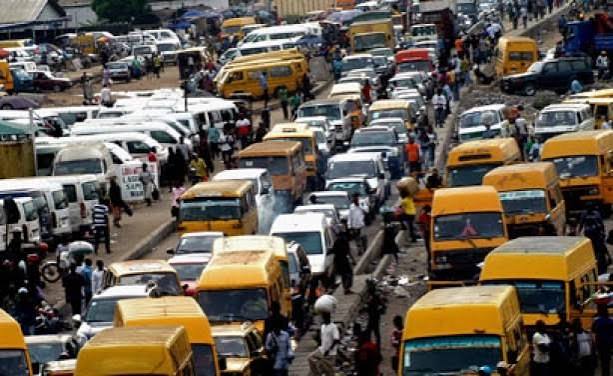
Traffic congestion is a problem that affects how people work, travel, and live. Long hours spent stuck on roads increase fuel costs, reduce productivity, create stress, and contribute to air pollution. For commuters, the issue is not just about reaching a destination late. It can affect business operations, family time, public health, and overall quality of life.
The best solutions to traffic congestion go beyond simply building more roads. While road expansion can help in some situations, lasting improvements usually come from combining better transportation planning, smarter technology, efficient public transit, and changes in how people move around cities.
Understanding why traffic congestion happens is the first step toward finding solutions that actually work.
Why Traffic Congestion Happens
Traffic congestion occurs when the number of vehicles using a road exceeds the road’s capacity. However, the causes are often more complex than having too many cars.
Several factors contribute to congestion:
Rapid Population Growth
Cities that grow faster than their transportation systems can handle often experience severe traffic problems. More residents usually mean more vehicles, more demand for housing, and more daily trips.
When urban planning does not keep pace with population growth, roads become overcrowded.
Increased Dependence on Private Vehicles
Many cities rely heavily on personal cars because public transportation options are limited, unreliable, or unsafe. When most people use private vehicles for daily travel, even small disruptions can create major delays.
Poor Road Planning
Road networks designed without considering future growth can struggle as traffic volumes increase.
Common planning problems include:
- Roads that cannot handle current demand
- Poor connections between neighborhoods and business areas
- Lack of alternative routes
- Inefficient intersections
- Poor traffic signal coordination
Traffic Accidents and Road Obstacles
A single accident, broken-down vehicle, or road construction project can slow thousands of vehicles because traffic flow depends on every part of the road system working efficiently.
Inefficient Public Transportation
When buses, trains, and other public transport systems are limited or unreliable, more people choose private vehicles, increasing congestion.
Poor Traffic Management
Even roads with enough capacity can experience congestion when traffic signals, parking systems, and road regulations are poorly managed.
Improving Public Transportation Systems
One of the most effective solutions to traffic congestion is creating reliable and accessible public transportation.
When people have convenient alternatives to driving, fewer vehicles compete for road space.
Effective public transportation solutions include:
Expanding Bus Networks
Buses can reduce congestion by carrying many passengers using less road space compared with individual cars.
However, simply adding more buses is not enough. A successful bus system requires:
- Reliable schedules
- Affordable fares
- Safe bus stops
- Dedicated bus lanes where possible
- Real-time arrival information
Bus rapid transit systems, which use dedicated lanes and efficient boarding systems, can provide faster service in busy cities.
Developing Rail Transportation
Trains and metro systems are useful for moving large numbers of people, especially in densely populated urban areas.
Rail systems can reduce the number of cars entering city centers and provide predictable travel times.
Improving Public Transport Safety and Comfort
Many people avoid public transportation because of concerns about safety, overcrowding, cleanliness, or convenience.
Improving passenger experience encourages more people to leave their cars at home.
Encouraging Walking and Cycling
Not every trip requires a car. Many short-distance journeys can be completed by walking or cycling if cities provide safe infrastructure.
Solutions include:
- Dedicated bicycle lanes
- Better sidewalks
- Pedestrian-friendly streets
- Safe road crossings
- Bicycle-sharing programs
For example, someone traveling two kilometers to work may create unnecessary congestion by driving when walking or cycling could be faster and cheaper.
Cities that support active transportation often reduce pressure on their road networks.
Using Smart Traffic Management Technology
Technology can help cities manage existing roads more efficiently.
Modern traffic management systems use data to understand traffic patterns and improve movement.
Smart Traffic Lights
Traditional traffic lights often operate on fixed schedules. Smart traffic signals can adjust timing based on real-time traffic conditions.
For example, during heavy morning traffic, signals can provide longer green lights on major commuter routes.
Real-Time Traffic Monitoring
Traffic cameras, sensors, and GPS data help transportation authorities identify:
- Accident locations
- Traffic bottlenecks
- Road conditions
- Unusual congestion patterns
This information allows faster responses to problems.
Navigation and Traffic Apps
Digital navigation tools help drivers choose faster routes and avoid congested areas.
However, cities must carefully manage these systems because directing too many vehicles into smaller roads can create congestion in residential areas.
Creating Better Urban Planning Strategies
Transportation problems often begin with how cities are designed.
A city where homes, workplaces, schools, and services are far apart forces people to travel longer distances.
Better urban planning can reduce unnecessary travel.
Developing Mixed-Use Communities
Mixed-use development places homes, shops, offices, and services closer together.
When people can access daily needs nearby, they are less dependent on cars.
Building Around Public Transport
Transit-oriented development focuses on creating communities near bus and rail stations.
This allows residents to use public transportation instead of driving everywhere.
Reducing Urban Sprawl
Uncontrolled expansion of cities increases travel distances and makes public transportation harder to provide.
Compact city planning can help create more efficient transportation networks.
Managing Vehicle Demand
Sometimes the solution is not only increasing transportation capacity but also reducing unnecessary vehicle use.
Cities can manage demand through several approaches.
Congestion Pricing
Congestion pricing charges drivers for entering highly crowded areas during peak periods.
The goal is to reduce unnecessary trips and encourage alternatives such as public transportation, cycling, or traveling at different times.
Flexible Work Arrangements
Remote work and flexible schedules can reduce the number of people traveling during the same peak hours.
If fewer workers commute at the same time, traffic pressure decreases.
Carpooling and Ride Sharing
Sharing vehicles reduces the number of cars on roads.
For example, four people traveling separately create four vehicles, but traveling together requires only one vehicle.
Improving Road Infrastructure
Although building more roads alone does not solve congestion permanently, targeted infrastructure improvements can help.
Useful road improvements include:
- Fixing damaged roads
- Improving intersections
- Adding turning lanes
- Removing dangerous bottlenecks
- Creating better connections between major routes
The key is improving efficiency rather than simply increasing road size.
In some cases, adding more lanes can encourage more people to drive, a phenomenon known as induced demand. After some time, the additional road space may become crowded again.
Better Parking Management
Parking problems often contribute to congestion, especially in busy commercial areas.
Drivers searching for parking create unnecessary traffic because they move slowly and compete for limited spaces.
Solutions include:
- Better parking information systems
- Proper parking fees
- Park-and-ride facilities
- Enforcement of illegal parking rules
- Improved parking design
Efficient parking management keeps roads focused on movement rather than vehicle storage.
Reducing Traffic Congestion Through Public Awareness
Transportation systems depend partly on human behavior.
Public education can encourage better travel decisions, such as:
- Using public transportation when possible
- Avoiding unnecessary trips during peak hours
- Following traffic rules
- Sharing rides
- Maintaining vehicles properly
Small changes by many people can create significant improvements.
Improving Freight and Delivery Management
Commercial vehicles contribute significantly to urban congestion, especially in busy areas.
Cities can reduce delivery-related traffic through:
- Scheduled delivery times
- Dedicated loading zones
- Better logistics planning
- Encouraging off-peak deliveries
For example, allowing large deliveries during less busy hours can reduce conflicts between commercial vehicles and commuters.
The Role of Electric and Shared Mobility
Electric vehicles can help reduce air pollution, but they do not completely solve congestion because they still occupy road space.
However, shared mobility options can reduce the number of vehicles needed.
Examples include:
- Car-sharing services
- Bike-sharing programs
- Shared electric scooters
- Demand-based transport services
The biggest congestion reduction comes from moving more people with fewer vehicles.
Common Mistakes Cities Make When Fighting Traffic Congestion
Some approaches appear helpful but often fail when used alone.
Building More Roads Without Planning
Increasing road capacity without addressing transportation habits may only provide temporary relief.
More roads can encourage more driving, eventually bringing congestion back.
Ignoring Public Transportation
A city cannot solve congestion if every resident must rely on private vehicles.
Reliable alternatives are essential.
Focusing Only on Cars
Transportation planning should consider pedestrians, cyclists, public transport users, and businesses, not just drivers.
Failing to Use Data
Without understanding where and why congestion occurs, cities may invest money in solutions that do not address the real problem.
A Practical Approach to Reducing Traffic Congestion
The most successful cities usually combine multiple strategies instead of relying on one solution.
A balanced approach includes:
- Improving public transportation quality and coverage.
- Designing cities that reduce unnecessary travel.
- Using technology to manage traffic efficiently.
- Encouraging walking, cycling, and shared transportation.
- Managing vehicle demand in crowded areas.
- Improving roads where specific problems exist.
- Using accurate traffic data for decision-making.
Traffic congestion is not caused by one problem, so it cannot be solved by one solution. The most effective strategies focus on helping people move more efficiently while reducing unnecessary dependence on private vehicles.
A city with better transportation choices gives people more freedom, saves time, improves economic productivity, and creates a healthier environment. The goal is not simply to move more cars. It is to move more people efficiently.
Leave a Reply