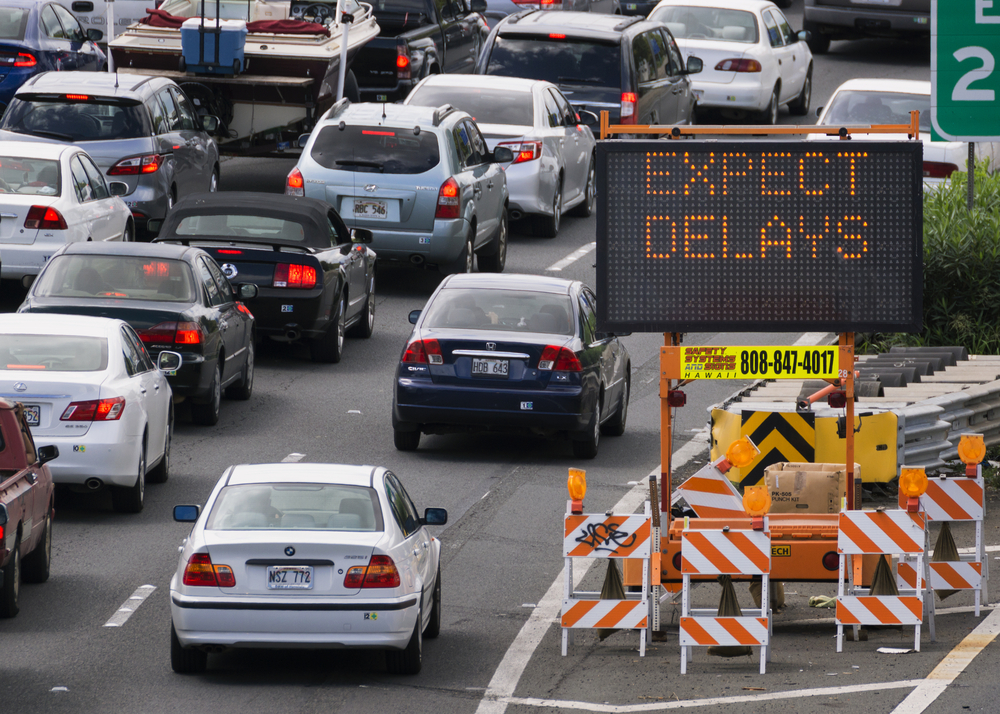
Traffic congestion happens when the number of vehicles using a road exceeds the road’s ability to handle them efficiently. The result is slower movement, longer travel times, wasted fuel, increased stress, and reduced productivity.
For many people, traffic congestion feels like a daily inconvenience, but it is often a sign of deeper problems involving urban planning, transportation systems, population growth, and human behavior. Understanding the causes of traffic congestion helps governments, businesses, and individuals find better ways to reduce delays and improve mobility.
The causes are rarely limited to one factor. A city may experience congestion because of too many vehicles, poor road design, weak public transportation, accidents, construction activities, or inefficient traffic management. In most cases, several causes combine and make the problem worse.
Too Many Vehicles on the Road
One of the biggest causes of traffic congestion is the increasing number of vehicles competing for limited road space.
When a city’s population grows, more people need transportation for work, education, business, and daily activities. If vehicle ownership increases faster than road capacity and transportation alternatives, congestion becomes unavoidable.
For example, a road designed to handle 50,000 vehicles per day may become severely crowded if the number of vehicles using it rises to 100,000. Even if drivers follow traffic rules, the road may not have enough space to maintain smooth movement.
This problem is common in rapidly growing cities where car ownership increases but infrastructure development does not grow at the same pace.
Rapid Population Growth and Urban Expansion
Population growth puts pressure on transportation systems.
As more people move into cities, demand for housing, jobs, schools, and services increases. Many people travel from residential areas to business districts every day, creating heavy traffic during peak periods.
Urban expansion can also increase travel distances. When homes are built far away from workplaces and public services, residents often depend on private vehicles because walking, cycling, or public transport may not be practical.
A city with poor urban planning may force thousands of people to travel through the same routes every morning and evening, creating repeated congestion patterns.
Poor Road Infrastructure
Road infrastructure plays a major role in traffic flow. Roads that are poorly designed, damaged, too narrow, or unable to handle current traffic demand often become congestion points.
Common infrastructure problems include:
- Roads with insufficient lanes
- Poorly designed intersections
- Lack of alternative routes
- Damaged road surfaces
- Poor drainage causing flooding
- Missing pedestrian facilities
- Roads that suddenly reduce from multiple lanes to fewer lanes
A single poorly designed section of road can slow down thousands of vehicles because traffic flow depends on the efficiency of the entire network.
For example, a highway may allow vehicles to move quickly, but if it connects to a narrow road with limited capacity, vehicles will accumulate at that point.
Inadequate Public Transportation Systems
Reliable public transportation can reduce the number of private vehicles on the road. When buses, trains, and other mass transit options are limited, unreliable, unsafe, or inconvenient, more people choose to drive.
This increases the number of cars, motorcycles, and taxis competing for road space.
A strong public transportation system gives people alternatives to private vehicles. Without it, even people who would prefer not to drive may have no practical choice.
Cities with limited transport options often experience higher congestion because most people depend on the same road network.
Traffic Accidents
Road accidents are a major cause of sudden traffic congestion.
Even a minor collision can create long delays if it blocks a lane or slows drivers who are passing the area. Emergency response activities, vehicle removal, and investigations can further reduce road capacity.
Accidents often create a chain reaction:
- A crash blocks part of the road.
- Vehicles slow down while drivers react.
- A queue forms behind the accident.
- Delays spread to nearby roads.
In heavily populated areas, one accident during peak hours can affect traffic for several hours.
Poor Traffic Management
Effective traffic management helps vehicles move efficiently. When traffic systems are poorly managed, congestion becomes more common.
Problems may include:
- Poorly timed traffic lights
- Lack of traffic monitoring systems
- Inefficient road signs
- Poor lane management
- Weak enforcement of traffic regulations
Traffic signals that are not adjusted according to traffic volume can create unnecessary delays. For example, giving equal waiting times to roads with very different traffic levels may cause long queues on busy routes.
Modern cities often use technologies such as traffic sensors, intelligent signals, and real-time monitoring to improve traffic movement.
Road Construction and Maintenance Activities
Construction projects often reduce available road space, creating temporary congestion.
When lanes are closed for repairs, expansion projects, or utility work, fewer vehicles can pass through the affected area. If there are no alternative routes, drivers are forced into the remaining available lanes.
Poorly planned construction can create unnecessary problems, especially when:
- Work happens during peak travel hours
- Alternative routes are unavailable
- Construction areas lack proper traffic control
- Projects take longer than expected
Although road improvements are necessary, poor planning during construction can create serious short-term congestion.
Poor Driving Behavior
Driver behavior can significantly affect traffic flow.
Certain actions increase congestion, including:
- Sudden braking
- Ignoring traffic rules
- Driving on road shoulders
- Illegal parking
- Aggressive lane changing
- Blocking intersections
- Stopping unnecessarily on busy roads
Traffic movement depends on cooperation between drivers. When individuals prioritize personal convenience over safe and predictable driving, small disruptions can create large delays.
For example, one vehicle blocking an intersection can prevent traffic from moving in several directions, creating a larger traffic jam.
Illegal Parking and Roadside Activities
Parking problems reduce road capacity, especially in busy urban areas.
When vehicles park along major roads, they take away space intended for moving traffic. In some areas, roadside businesses, street trading, loading activities, and informal transport operations also reduce available road space.
A road with three usable lanes may effectively become a single lane if vehicles are parked illegally or commercial activities occupy the roadside.
This problem is common in areas where parking facilities and urban planning have not developed alongside population growth.
Concentration of Travel During Peak Hours
Many people travel at similar times, creating predictable periods of heavy traffic.
Morning and evening rush hours are usually the busiest because people are:
- Going to work
- Taking children to school
- Returning home
- Running business errands
The problem is not only the number of vehicles but also the timing. A road may handle traffic comfortably during midday but become overwhelmed when thousands of people travel at the same time.
Flexible working hours, remote work options, and improved public transportation can help reduce pressure during peak periods.
Lack of Alternative Transportation Options
Cities with limited transportation choices often experience higher congestion.
When residents have access only to private cars, they have fewer alternatives during busy periods. However, when cities provide options such as:
- Reliable buses
- Rail systems
- Cycling infrastructure
- Safe walking routes
- Ride-sharing services
some people can choose alternatives instead of adding another vehicle to crowded roads.
Transportation diversity reduces dependence on a single system.
Poor Urban Planning
Urban planning determines how people move around a city.
Cities designed without considering transportation needs often develop congestion problems. Common planning issues include:
- Separating homes far from workplaces
- Building large developments without improving roads
- Allowing high population density in areas with limited transport access
- Creating business districts with insufficient parking and transit options
Good planning connects housing, employment, transportation, and public services so people do not need unnecessarily long trips.
Weather Conditions
Weather can influence traffic congestion by affecting driving conditions and road capacity.
Heavy rain, flooding, fog, or storms can slow vehicles and create dangerous conditions. Flooded roads may become unusable, forcing drivers onto fewer available routes.
In areas with poor drainage systems, rainfall can quickly turn normal traffic into severe congestion.
Weather-related congestion is often worse when combined with weak infrastructure.
Economic Activities and Commercial Traffic
Business activities generate significant movement of people and goods.
Delivery trucks, buses, taxis, and commercial vehicles contribute to congestion, especially in busy areas such as:
- Markets
- Industrial zones
- Commercial districts
- Transport terminals
When loading and unloading activities happen on roads instead of designated areas, traffic flow becomes slower.
Cities need proper logistics planning to manage commercial transportation without disrupting daily movement.
How Traffic Congestion Affects People and Cities
Traffic congestion creates consequences beyond longer travel times.
Common effects include:
Increased Travel Costs
Drivers spend more money on fuel because vehicles remain active while moving slowly or idling.
Businesses also face higher transportation costs because deliveries take longer.
Reduced Productivity
Time spent stuck in traffic reduces the time people can spend working, studying, resting, or with family.
For businesses, delays can affect employee efficiency and customer service.
Higher Pollution Levels
Vehicles stuck in congestion release more emissions because engines continue running while vehicles move slowly.
This contributes to air pollution and environmental problems, especially in densely populated cities.
Increased Stress and Health Problems
Long traffic delays can contribute to frustration, fatigue, and stress. Regular exposure to stressful commuting conditions can affect overall well-being.
How Cities Can Reduce Traffic Congestion
Reducing congestion requires more than simply building more roads. Effective solutions usually involve multiple strategies working together.
Possible approaches include:
- Improving public transportation systems
- Expanding road networks where necessary
- Using intelligent traffic management systems
- Enforcing traffic laws consistently
- Improving urban planning
- Creating better walking and cycling infrastructure
- Managing parking effectively
- Encouraging flexible work arrangements
- Developing alternative routes
The best solutions depend on the specific causes affecting each city.
A city experiencing congestion because of poor public transport needs different solutions from one affected mainly by road design problems or rapid population growth.
Final Thoughts
Traffic congestion is usually the result of several connected problems rather than one single cause. Too many vehicles, limited infrastructure, weak transportation options, poor planning, accidents, and inefficient traffic management can all contribute to crowded roads.
Understanding these causes is the first step toward creating better transportation systems. Long-term improvements require cooperation between governments, urban planners, transport operators, businesses, and road users.
When cities plan transportation around how people actually live and move, roads become safer, travel becomes more efficient, and daily life becomes easier for everyone.
Leave a Reply