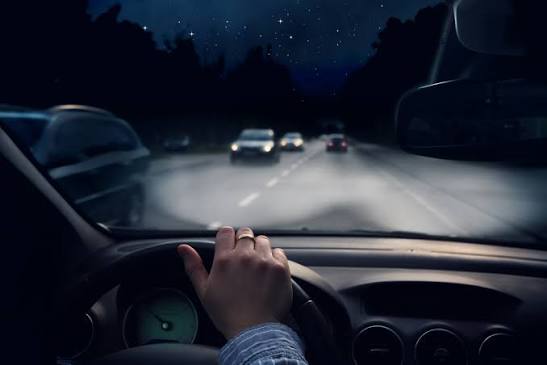
Driving at night can feel very different from driving during the day. The roads may appear quieter, but reduced visibility, tired drivers, glare from headlights, and unexpected hazards can make nighttime driving more challenging.
Learning how to drive safely at night is not just about turning on your headlights and slowing down. It requires adjusting your driving habits, preparing your vehicle, managing fatigue, and understanding how darkness changes the way you see and react to situations on the road.
Whether you regularly drive after sunset, commute home late, or occasionally travel at night, these safety practices can help you make better decisions and reduce your chances of being involved in a crash.
Why Night Driving Is More Difficult Than Daytime Driving
The biggest challenge when driving at night is limited visibility. Human eyes are naturally designed to work better in daylight, and darkness reduces your ability to identify objects, judge distances, and react quickly.
A pedestrian wearing dark clothing, an animal crossing the road, a damaged vehicle without proper lights, or debris on the road may be difficult to notice until you are very close.
Night driving also creates other challenges:
- Headlight glare from approaching vehicles can temporarily affect your vision.
- Fatigue becomes more common because the body naturally prepares for rest at night.
- Some drivers take more risks because roads appear less crowded.
- Poor weather conditions, such as rain or fog, can make visibility even worse.
Understanding these risks helps you prepare instead of reacting after a problem occurs.
Clean Your Windshield and Mirrors Before Driving
A dirty windshield can make nighttime driving much harder than many drivers realize.
During the day, small marks, dust, or fingerprints may not significantly affect your vision. At night, light from headlights can reflect off dirt and create a blurry or distracting effect.
Before driving at night:
- Clean both sides of your windshield.
- Make sure your side mirrors and rearview mirror are clear.
- Remove objects that block your view.
- Check that your windshield wipers work properly.
If your windshield has scratches or damage, especially in your direct line of sight, consider repairing or replacing it. Small imperfections can create dangerous glare when illuminated by headlights.
Use Your Headlights Correctly
Your headlights are one of your most important safety tools when driving in the dark.
Turn on your headlights before it becomes completely dark. Many drivers wait until visibility is already poor, which reduces their ability to see and be seen by others.
Use these guidelines:
Use low beams when around other vehicles
Low beams provide enough light for most normal nighttime driving while reducing glare for other drivers.
High beams can help you see farther on dark roads, but they should be used carefully. Switch to low beams when:
- Another vehicle is approaching.
- You are driving behind another vehicle.
- You are entering a well-lit area.
Strong headlights pointed directly into another driver’s eyes can temporarily reduce their ability to see, increasing the risk of an accident.
Check that your headlights are working properly
A burned-out headlight reduces your visibility and makes it harder for other drivers to notice your vehicle.
Regularly check:
- Headlights
- Brake lights
- Turn signals
- Reverse lights
- Fog lights, if your vehicle has them
Also make sure your headlights are properly aligned. Headlights pointing too high can blind other drivers, while headlights pointing too low can reduce how far ahead you can see.
Reduce Your Speed and Increase Following Distance
One of the most common mistakes people make when driving at night is maintaining the same speed they use during the day.
Darkness reduces how far ahead you can see. If something appears suddenly, you have less time to react.
Driving at a safer speed gives you more control.
You should consider slowing down when:
- The road is unfamiliar.
- There is poor lighting.
- Weather conditions are bad.
- You notice reduced visibility.
- You are driving in an area with pedestrians or cyclists.
Also increase the distance between your vehicle and the one ahead of you. A larger following distance gives you more time to brake if the driver ahead stops suddenly.
A good habit is to avoid driving so close that you depend only on brake lights to react.
Avoid Looking Directly at Oncoming Headlights
Headlight glare can temporarily affect your vision, especially from vehicles with bright LED headlights or improperly adjusted lights.
When an approaching vehicle has strong headlights:
- Avoid staring directly into the lights.
- Look slightly toward the right side of your lane.
- Use the road edge or lane markings as a guide.
- Keep your speed controlled until your vision improves.
Your eyes usually recover quickly after the vehicle passes, but those few seconds of reduced vision can be dangerous if you are driving too fast.
Stay Alert and Manage Fatigue
Drowsy driving is one of the biggest dangers associated with nighttime travel.
Many people underestimate how tired they are, especially after a long day of work, studying, or other activities.
Signs that you may be too tired to continue driving include:
- Frequent yawning.
- Heavy eyelids.
- Missing road signs.
- Drifting between lanes.
- Forgetting parts of your journey.
- Difficulty focusing.
If you notice these signs, continuing to drive is risky.
Safer options include:
- Taking a break.
- Pulling over at a safe location.
- Sharing driving responsibilities.
- Getting enough rest before a long nighttime trip.
Opening a window or turning up the music may make you feel more awake temporarily, but they do not replace proper rest.
Avoid Distractions While Driving at Night
Distractions are dangerous at any time, but nighttime driving requires even more attention because visibility is already limited.
Avoid:
- Using your phone while driving.
- Adjusting navigation while moving.
- Eating or drinking while driving.
- Looking away from the road for extended periods.
Before starting your trip:
- Set your navigation route.
- Adjust your mirrors.
- Choose your music or audio settings.
- Secure loose items inside the vehicle.
The goal is to keep your attention focused on driving.
Be More Careful Around Pedestrians and Cyclists
People walking or cycling at night can be difficult to see, especially on poorly lit roads.
Slow down in areas where pedestrians are common, including:
- Residential neighborhoods.
- School zones.
- Bus stops.
- Markets.
- Areas with limited street lighting.
Do not assume someone can see your vehicle. A pedestrian may also have limited visibility and may not hear your car approaching.
Check Your Vehicle Before Night Trips
A quick vehicle inspection can prevent many problems during nighttime driving.
Before leaving, check:
- Tire pressure and tire condition.
- Fuel level.
- Headlights and brake lights.
- Windshield condition.
- Mirrors.
- Emergency supplies.
A breakdown during the day can be inconvenient. A breakdown at night can create additional safety risks because other drivers may not see you clearly.
Keeping basic emergency items in your vehicle can also help, such as:
- A flashlight.
- Warning signs or reflective equipment.
- A phone charger.
- Basic first-aid supplies.
Adjust Your Driving for Weather Conditions
Nighttime driving becomes significantly harder during rain, fog, or storms.
Rain can create reflections from headlights and streetlights, making road markings harder to see.
When driving in poor weather:
- Reduce speed.
- Increase following distance.
- Avoid sudden braking.
- Use appropriate lights.
- Stay focused on lane positioning.
In fog, avoid using high beams because they can reflect back and make visibility worse. Low beams are usually more effective.
Plan Your Route Before Driving
Knowing where you are going reduces stress and distractions.
Before starting a nighttime journey:
- Check your route.
- Know where you can stop safely.
- Ensure your phone has enough battery.
- Inform someone about your expected arrival time if traveling long distances.
Unfamiliar roads are more difficult at night because you may not see important details such as sharp turns, construction areas, or changes in road conditions.
Common Night Driving Mistakes to Avoid
Many nighttime accidents happen because drivers underestimate the conditions.
Avoid these mistakes:
Driving too fast because the road looks empty
A quiet road does not mean it is safe to speed. Hazards can appear suddenly.
Using high beams incorrectly
High beams can improve visibility but can also create danger when used around other drivers.
Driving while extremely tired
Fatigue affects reaction time, decision-making, and concentration.
Ignoring vehicle maintenance
Weak headlights, worn tires, and dirty windshields can significantly reduce safety.
Assuming you can see everything clearly
Your vision is naturally limited in darkness. Drive based on what you can safely see, not what you expect to be there.
A Simple Night Driving Checklist
Before driving at night, ask yourself:
- Are my headlights clean and working?
- Is my windshield clear?
- Am I rested enough to drive?
- Do I know my route?
- Are my mirrors adjusted correctly?
- Is my speed appropriate for visibility?
- Do I have enough distance from other vehicles?
These small checks can prevent serious problems.
The Most Important Rule for Night Driving
Safe night driving comes down to giving yourself more time and more space.
You cannot control everything that happens on the road, but you can control how prepared you are, how fast you drive, how alert you remain, and how well your vehicle is maintained.
When driving after dark, slow down when visibility is limited, avoid distractions, manage fatigue, and remember that seeing less means you need more time to react. Good nighttime driving is not about confidence alone. It is about making careful decisions that keep you and everyone else on the road safer.
Leave a Reply