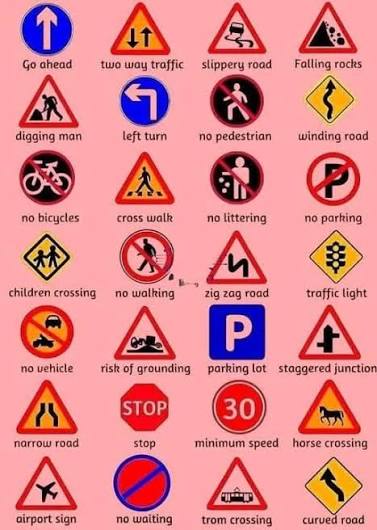
Driving on Nigerian roads requires more than knowing how to operate a vehicle. A driver must understand the signs placed along roads because these signs communicate important instructions, warnings, and information that help prevent accidents and improve traffic flow.
Many road crashes happen because drivers ignore or misunderstand traffic signs. A sign showing a sharp bend, pedestrian crossing, speed limit, or no-entry instruction is not just a symbol on a board. It is a message designed to help drivers make safer decisions before reaching a potentially dangerous situation.
The Federal Road Safety Corps (FRSC) uses road signs based on internationally recognized traffic sign systems to guide road users across Nigeria. Understanding these signs is essential for learner drivers preparing for a driving test, experienced drivers refreshing their knowledge, and anyone who wants to become a safer road user.
This guide explains the major FRSC road signs every driver should know, what they mean, and how to respond when you see them on Nigerian roads.
Why Road Signs Are Important for Every Driver
Road signs create a common language between drivers, pedestrians, and other road users. Since drivers cannot communicate directly with everyone around them, signs provide clear instructions that help manage movement and reduce confusion.
For example, a driver approaching a roundabout does not need someone standing there to explain what to do. The roundabout sign alerts the driver early enough to slow down, prepare, and give way where necessary.
Road signs help drivers to:
- Identify hazards ahead
- Understand traffic rules
- Maintain safe speeds
- Know when stopping or turning is allowed
- Protect pedestrians and other road users
- Avoid penalties for traffic violations
A responsible driver should not only recognize signs but also understand the correct action required after seeing them.
Types of FRSC Road Signs in Nigeria
Road signs are generally divided into three major categories:
- Regulatory signs
- Warning signs
- Information signs
Each category serves a different purpose.
Regulatory Road Signs
Regulatory signs give instructions that drivers must obey. Ignoring these signs can lead to accidents, traffic violations, or penalties.
Most regulatory signs are circular, although some important signs use different shapes.
Stop Sign
The stop sign is one of the most important road signs a driver must recognize.
It usually appears as a red octagonal sign with the word “STOP” written clearly.
When approaching a stop sign, the driver must:
- Bring the vehicle to a complete stop
- Check for vehicles, pedestrians, and other road users
- Proceed only when it is safe
A slow-down is not enough. The vehicle must completely stop before moving.
No Entry Sign
The no-entry sign tells drivers that they are not allowed to enter a particular road.
It is commonly placed at:
- One-way roads
- Restricted areas
- Roads where traffic moves in the opposite direction
Entering a no-entry road can result in a head-on collision, especially if another vehicle is coming from the opposite direction.
Speed Limit Sign
Speed limit signs show the maximum speed allowed on a particular road.
A driver should not assume that the same speed applies everywhere. Speed limits may change depending on:
- Road condition
- Location
- Presence of pedestrians
- Schools or residential areas
- Highway regulations
Driving above the posted speed limit reduces reaction time and increases the seriousness of crashes.
No Parking Sign
This sign indicates that vehicles should not be parked in that area.
No parking restrictions are often placed near:
- Busy intersections
- Emergency access routes
- Bus stops
- Narrow roads
Parking where it is prohibited can obstruct traffic and create safety risks.
No U-Turn Sign
The no U-turn sign means drivers must not turn their vehicles around at that location.
These restrictions are usually placed where a U-turn could create danger, such as:
- Busy highways
- Blind corners
- Areas with heavy traffic movement
Warning Road Signs
Warning signs alert drivers about possible dangers ahead. They do not always require stopping, but they require increased attention and careful driving.
Most warning signs are triangular with a red border.
Sharp Bend Sign
This sign warns drivers that the road will change direction sharply.
When approaching a sharp bend:
- Reduce speed before entering the curve
- Avoid sudden braking while turning
- Stay within your lane
Many crashes happen when drivers enter bends too quickly.
Pedestrian Crossing Sign
This sign indicates an area where pedestrians may cross the road.
Drivers should:
- Reduce speed
- Watch for people crossing
- Give pedestrians enough space
Pedestrians, especially children and elderly people, may need more time to cross.
School Zone Sign
A school zone sign warns drivers that they are approaching an area where children may be present.
Drivers should:
- Slow down
- Avoid unnecessary horn use
- Watch carefully for children near the road
Children may not always understand traffic dangers, so drivers must take extra care.
Slippery Road Sign
This sign warns that the road surface may become slippery.
Common causes include:
- Rain
- Oil spills
- Poor road conditions
Drivers should reduce speed and avoid sudden steering or braking.
Road Works Sign
Road construction signs inform drivers about ongoing work ahead.
Drivers should:
- Reduce speed
- Follow temporary instructions
- Watch for workers and construction equipment
Road conditions may change quickly around construction areas.
Information Road Signs
Information signs provide useful details about locations, services, and road conditions.
They help drivers understand what is available along their route.
Hospital Sign
This sign indicates the location of a nearby hospital or medical facility.
Drivers should understand that areas around hospitals may require careful driving because emergency vehicles and pedestrians may be present.
Parking Area Sign
This sign shows where drivers can legally park their vehicles.
Using designated parking areas helps prevent unnecessary traffic obstruction.
Fuel Station Sign
Fuel station signs inform drivers about nearby places where they can buy fuel.
They are especially useful on long-distance journeys where planning fuel stops is important.
Bus Stop Sign
This sign identifies an approved stopping area for buses and public transport vehicles.
Drivers should avoid blocking bus stops because it can create traffic congestion.
Common Road Signs Drivers Often Ignore
Some drivers recognize road signs but fail to follow them consistently. These mistakes can increase accident risks.
Ignoring Speed Limit Signs
Some drivers believe speed limits are only suggestions. They are not.
Speed restrictions are based on road conditions and safety considerations.
Overtaking Where Signs Prohibit It
Roads with no-overtaking signs usually have safety reasons behind them, such as:
- Poor visibility
- Sharp curves
- Approaching intersections
Overtaking in these areas can put multiple road users at risk.
Ignoring Pedestrian Signs
Pedestrian signs are sometimes overlooked because drivers focus only on other vehicles.
However, pedestrians are among the most vulnerable road users.
Failing to Notice Temporary Signs
Temporary road signs during construction, emergencies, or special events are equally important as permanent signs.
Drivers must pay attention to changing road conditions.
How Learner Drivers Can Remember Road Signs Easily
Memorizing road signs becomes easier when drivers understand the meaning behind their shapes and colors.
A simple approach is:
Red signs usually indicate restrictions or prohibitions.
Examples:
- Stop
- No entry
- Speed restrictions
Triangular signs usually warn about danger ahead.
Examples:
- Sharp bends
- Pedestrian crossings
- Road hazards
Blue or informational signs usually provide guidance or services.
Examples:
- Parking
- Hospitals
- Direction information
Understanding patterns helps drivers recognize unfamiliar signs faster.
FRSC Road Signs and Driving Tests in Nigeria
Anyone applying for a Nigerian driver’s licence needs basic knowledge of traffic signs. The FRSC driving test evaluates whether drivers understand road rules, signs, and safe driving practices.
Before taking a driving test, learners should study:
- Common road signs and meanings
- Right-of-way rules
- Traffic signals
- Safe driving practices
- Road markings
Learning road signs should not only be about passing a test. These signs continue to guide drivers throughout their driving life.
Why Understanding Road Signs Makes You a Better Driver
A good driver does not wait until a dangerous situation happens before reacting. Road signs provide early warnings that allow drivers to make safer choices.
A driver who understands signs can:
- Anticipate road conditions
- Reduce sudden decisions
- Protect passengers
- Avoid unnecessary traffic offences
- Drive confidently in unfamiliar locations
Road safety depends on the cooperation of everyone using the road. Following signs is one of the simplest ways drivers contribute to safer roads.
Final Reminder for Drivers
Road signs are not decorations placed beside roads. They are safety instructions created to protect lives.
Before starting any journey, especially on unfamiliar routes, take time to observe signs around you. A few seconds of attention can prevent a serious crash.
Every driver should know the meaning of common FRSC road signs because safe driving begins with understanding the road.
Leave a Reply