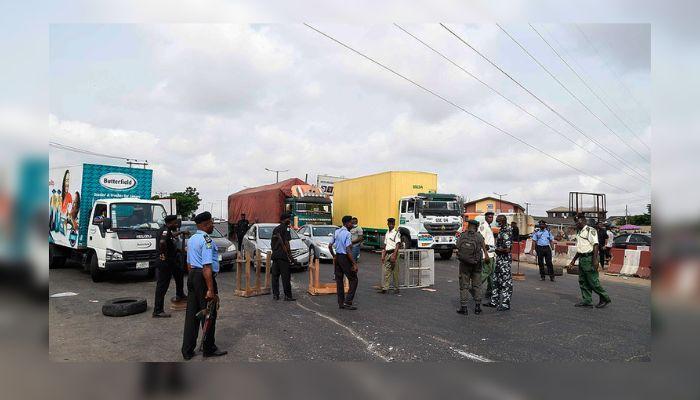
Many people search for how to avoid extortion at checkpoints because they have experienced or heard about situations where drivers, passengers, business owners, or travelers are pressured to pay illegal fees during roadside stops. These encounters can be stressful, especially when you are unsure whether a demand is legitimate or an attempt to take advantage of you.
Knowing how checkpoints work, understanding your rights and responsibilities, and learning how to respond calmly can help you reduce the risk of being exploited. The goal is not to encourage confrontation but to help you handle these situations safely, legally, and confidently.
Understand the Difference Between a Legitimate Checkpoint and Extortion
Not every checkpoint is illegal. Security agencies may establish checkpoints for valid reasons such as traffic enforcement, vehicle inspections, public safety checks, or crime prevention.
The problem begins when an official or unofficial actor uses a checkpoint as an opportunity to demand money without a lawful reason.
Extortion at checkpoints often involves:
- Demanding money without issuing an official receipt or explanation
- Threatening unnecessary delays, arrest, damage to property, or harassment
- Creating fake violations to pressure someone into paying
- Asking for “something small” or “settlement” instead of following proper procedures
- Targeting people who appear unfamiliar with their rights
A legitimate penalty or fee usually follows a recognized process. Extortion relies on fear, confusion, and pressure.
Keep Your Documents Complete and Updated
One of the easiest ways to reduce problems at checkpoints is to ensure your documents are valid before traveling.
Depending on your location and situation, this may include:
- Driver’s license
- Vehicle registration documents
- Insurance documents
- Roadworthiness certificate where required
- Identification documents
- Business permits or relevant licenses
Incomplete documents can create genuine issues and may give dishonest individuals an opportunity to pressure you.
Before starting a journey, take a few minutes to confirm that your important documents are available and not expired.
Know the Common Tactics Used During Checkpoint Extortion
Understanding common methods can help you recognize warning signs early.
Creating Fear Through Threats
A person may claim:
- “Your vehicle will be seized”
- “You will be arrested immediately”
- “You have committed a serious offense”
- “You must pay now”
Sometimes these statements are designed to make you panic before you can think clearly.
A calm response is usually more effective than arguing.
Ask politely:
- What specific offense has occurred?
- What law or regulation applies?
- What is the official procedure?
- Can you provide written documentation or a receipt?
A person attempting extortion may become uncomfortable when asked to follow a proper process.
Using Confusing Rules
Some people exploit the fact that many travelers do not know traffic regulations or enforcement procedures.
They may mention unclear violations or use technical language to create confusion.
Avoid paying immediately simply because someone sounds authoritative. Ask questions and request clarification.
Pressuring You to Pay Immediately
Urgency is a common tool used in extortion.
Statements like:
- “Pay now or we move your vehicle”
- “Don’t waste time”
- “Everyone pays here”
are warning signs.
Legitimate enforcement normally has procedures, not just verbal pressure.
Stay Calm and Avoid Escalating the Situation
A checkpoint encounter can become risky if emotions rise.
Avoid:
- Insulting the officer or person stopping you
- Shouting or making threats
- Physically resisting
- Recording aggressively in a way that increases tension
- Making accusations you cannot prove
Instead:
- Speak respectfully
- Keep your tone calm
- Ask clear questions
- Avoid unnecessary arguments
Your safety should come before proving a point.
Do Not Voluntarily Offer Money
Offering money quickly can encourage further demands.
If someone asks for an unofficial payment, avoid statements like:
- “How much do you want?”
- “Can I settle this?”
- “Take something small”
These responses may signal that you are willing to negotiate.
A better approach is to ask for the official process.
For example:
“I would like to follow the correct procedure. Please explain the official requirement.”
This keeps the conversation focused on rules rather than informal payments.
Ask for Identification When Appropriate
If someone claims to be an official, you can politely request identification.
You may ask:
- Their name
- Their agency or organization
- The reason for the stop
Legitimate officials should generally be able to identify themselves.
However, use judgment. If requesting identification appears to increase danger, prioritize leaving the situation safely rather than proving a point.
Understand When to Cooperate and When to Report
Not every disagreement at a checkpoint should become a confrontation.
If the situation is safe, you can document important details such as:
- Location of the checkpoint
- Date and time
- Names or identifying information
- Vehicle details
- What was requested
- Witnesses present
This information can help if you decide to report the incident.
Depending on your country, reports may be made through:
- The relevant law enforcement agency
- Anti-corruption authorities
- Transport regulatory bodies
- Official complaint channels
Always verify the correct reporting process in your area.
Use Technology to Protect Yourself
Technology can help create evidence and improve accountability.
Useful practices include:
Use a Dashcam
A vehicle camera can record interactions on the road and provide useful evidence if disputes occur.
Keep Digital Copies of Documents
Store copies of important documents securely on your phone or cloud storage.
This helps if physical documents are lost or damaged.
Share Your Travel Plans
For long trips, inform trusted people about:
- Your route
- Expected arrival time
- Stops along the way
This is especially useful when traveling through unfamiliar areas.
Avoid Looking Like an Easy Target
While nobody deserves extortion, certain situations may attract unwanted attention.
You can reduce unnecessary problems by:
- Keeping your vehicle maintained
- Avoiding obvious document issues
- Knowing your route
- Avoiding unnecessary arguments
- Not displaying large amounts of cash
- Being familiar with common checkpoint locations
Preparation reduces vulnerability.
What to Do If You Are Forced to Pay
Sometimes people face situations where refusing payment may create immediate safety concerns.
If you believe the situation could become dangerous:
- Prioritize your safety.
- Avoid physical confrontation.
- Leave the area when possible.
- Record details afterward.
- Consider reporting through appropriate channels.
A small payment made under pressure may feel unfair, but protecting your personal safety is the immediate priority.
The important step is documenting the incident and using official complaint systems when available.
Common Mistakes People Make at Checkpoints
Arguing Aggressively
Trying to win an argument can sometimes make the situation worse.
Respectful communication is usually more effective.
Carrying Incomplete Documents
Missing paperwork can turn a simple stop into a longer interaction.
Paying Without Asking Questions
Quick payments may encourage repeated demands.
Assuming Every Uniformed Person Is Automatically Legitimate
A uniform alone does not guarantee proper authority. Ask reasonable questions.
Recording Without Considering Safety
Documentation can help, but recording should not put you at greater risk.
How Businesses and Commercial Drivers Can Reduce Checkpoint Problems
Businesses that transport goods or operate vehicles regularly should take additional steps.
Useful practices include:
- Training drivers on proper checkpoint procedures
- Keeping vehicle documents organized
- Creating company reporting systems
- Maintaining trip records
- Teaching drivers how to communicate professionally during stops
A business that prepares its drivers reduces confusion and improves accountability.
Frequently Asked Questions
Is it illegal to pay money at a checkpoint?
It depends on the situation and local laws. Official fees, fines, or penalties may be lawful when properly issued. Paying unofficial demands or bribes may create legal problems and encourages abusive practices.
Should I argue with someone demanding money?
Usually, no. A calm approach is safer. Ask questions, request proper procedures, and avoid escalating the encounter.
Can I report checkpoint extortion?
Yes. Many countries have agencies responsible for handling complaints about corruption, abuse of authority, or illegal demands. Use official reporting channels available in your area.
What is the best way to prepare before traveling?
Carry valid documents, understand common road requirements, plan your route, keep emergency contacts available, and avoid carrying unnecessary cash.
Final Thoughts
Avoiding checkpoint extortion is not only about knowing what to say. It is about preparation, awareness, and handling stressful situations wisely.
Keep your documents updated, understand legitimate procedures, stay calm during encounters, and avoid actions that increase risk. When possible, document incidents and use official channels to report unlawful behavior.
The safest approach is to protect yourself while maintaining respect for lawful authority and prioritizing your personal safety.
Leave a Reply