Author: Ben

  • Solutions to Traffic Congestion: Practical Ways Cities Can Reduce Road Delays

    Solutions to Traffic Congestion: Practical Ways Cities Can Reduce Road Delays

    Traffic congestion is a problem that affects how people work, travel, and live. Long hours spent stuck on roads increase fuel costs, reduce productivity, create stress, and contribute to air pollution. For commuters, the issue is not just about reaching a destination late. It can affect business operations, family time, public health, and overall quality of life.

    The best solutions to traffic congestion go beyond simply building more roads. While road expansion can help in some situations, lasting improvements usually come from combining better transportation planning, smarter technology, efficient public transit, and changes in how people move around cities.

    Understanding why traffic congestion happens is the first step toward finding solutions that actually work.

    Why Traffic Congestion Happens

    Traffic congestion occurs when the number of vehicles using a road exceeds the road’s capacity. However, the causes are often more complex than having too many cars.

    Several factors contribute to congestion:

    Rapid Population Growth

    Cities that grow faster than their transportation systems can handle often experience severe traffic problems. More residents usually mean more vehicles, more demand for housing, and more daily trips.

    When urban planning does not keep pace with population growth, roads become overcrowded.

    Increased Dependence on Private Vehicles

    Many cities rely heavily on personal cars because public transportation options are limited, unreliable, or unsafe. When most people use private vehicles for daily travel, even small disruptions can create major delays.

    Poor Road Planning

    Road networks designed without considering future growth can struggle as traffic volumes increase.

    Common planning problems include:

    • Roads that cannot handle current demand
    • Poor connections between neighborhoods and business areas
    • Lack of alternative routes
    • Inefficient intersections
    • Poor traffic signal coordination

    Traffic Accidents and Road Obstacles

    A single accident, broken-down vehicle, or road construction project can slow thousands of vehicles because traffic flow depends on every part of the road system working efficiently.

    Inefficient Public Transportation

    When buses, trains, and other public transport systems are limited or unreliable, more people choose private vehicles, increasing congestion.

    Poor Traffic Management

    Even roads with enough capacity can experience congestion when traffic signals, parking systems, and road regulations are poorly managed.


    Improving Public Transportation Systems

    One of the most effective solutions to traffic congestion is creating reliable and accessible public transportation.

    When people have convenient alternatives to driving, fewer vehicles compete for road space.

    Effective public transportation solutions include:

    Expanding Bus Networks

    Buses can reduce congestion by carrying many passengers using less road space compared with individual cars.

    However, simply adding more buses is not enough. A successful bus system requires:

    • Reliable schedules
    • Affordable fares
    • Safe bus stops
    • Dedicated bus lanes where possible
    • Real-time arrival information

    Bus rapid transit systems, which use dedicated lanes and efficient boarding systems, can provide faster service in busy cities.

    Developing Rail Transportation

    Trains and metro systems are useful for moving large numbers of people, especially in densely populated urban areas.

    Rail systems can reduce the number of cars entering city centers and provide predictable travel times.

    Improving Public Transport Safety and Comfort

    Many people avoid public transportation because of concerns about safety, overcrowding, cleanliness, or convenience.

    Improving passenger experience encourages more people to leave their cars at home.


    Encouraging Walking and Cycling

    Not every trip requires a car. Many short-distance journeys can be completed by walking or cycling if cities provide safe infrastructure.

    Solutions include:

    • Dedicated bicycle lanes
    • Better sidewalks
    • Pedestrian-friendly streets
    • Safe road crossings
    • Bicycle-sharing programs

    For example, someone traveling two kilometers to work may create unnecessary congestion by driving when walking or cycling could be faster and cheaper.

    Cities that support active transportation often reduce pressure on their road networks.


    Using Smart Traffic Management Technology

    Technology can help cities manage existing roads more efficiently.

    Modern traffic management systems use data to understand traffic patterns and improve movement.

    Smart Traffic Lights

    Traditional traffic lights often operate on fixed schedules. Smart traffic signals can adjust timing based on real-time traffic conditions.

    For example, during heavy morning traffic, signals can provide longer green lights on major commuter routes.

    Real-Time Traffic Monitoring

    Traffic cameras, sensors, and GPS data help transportation authorities identify:

    • Accident locations
    • Traffic bottlenecks
    • Road conditions
    • Unusual congestion patterns

    This information allows faster responses to problems.

    Navigation and Traffic Apps

    Digital navigation tools help drivers choose faster routes and avoid congested areas.

    However, cities must carefully manage these systems because directing too many vehicles into smaller roads can create congestion in residential areas.


    Creating Better Urban Planning Strategies

    Transportation problems often begin with how cities are designed.

    A city where homes, workplaces, schools, and services are far apart forces people to travel longer distances.

    Better urban planning can reduce unnecessary travel.

    Developing Mixed-Use Communities

    Mixed-use development places homes, shops, offices, and services closer together.

    When people can access daily needs nearby, they are less dependent on cars.

    Building Around Public Transport

    Transit-oriented development focuses on creating communities near bus and rail stations.

    This allows residents to use public transportation instead of driving everywhere.

    Reducing Urban Sprawl

    Uncontrolled expansion of cities increases travel distances and makes public transportation harder to provide.

    Compact city planning can help create more efficient transportation networks.


    Managing Vehicle Demand

    Sometimes the solution is not only increasing transportation capacity but also reducing unnecessary vehicle use.

    Cities can manage demand through several approaches.

    Congestion Pricing

    Congestion pricing charges drivers for entering highly crowded areas during peak periods.

    The goal is to reduce unnecessary trips and encourage alternatives such as public transportation, cycling, or traveling at different times.

    Flexible Work Arrangements

    Remote work and flexible schedules can reduce the number of people traveling during the same peak hours.

    If fewer workers commute at the same time, traffic pressure decreases.

    Carpooling and Ride Sharing

    Sharing vehicles reduces the number of cars on roads.

    For example, four people traveling separately create four vehicles, but traveling together requires only one vehicle.


    Improving Road Infrastructure

    Although building more roads alone does not solve congestion permanently, targeted infrastructure improvements can help.

    Useful road improvements include:

    • Fixing damaged roads
    • Improving intersections
    • Adding turning lanes
    • Removing dangerous bottlenecks
    • Creating better connections between major routes

    The key is improving efficiency rather than simply increasing road size.

    In some cases, adding more lanes can encourage more people to drive, a phenomenon known as induced demand. After some time, the additional road space may become crowded again.


    Better Parking Management

    Parking problems often contribute to congestion, especially in busy commercial areas.

    Drivers searching for parking create unnecessary traffic because they move slowly and compete for limited spaces.

    Solutions include:

    • Better parking information systems
    • Proper parking fees
    • Park-and-ride facilities
    • Enforcement of illegal parking rules
    • Improved parking design

    Efficient parking management keeps roads focused on movement rather than vehicle storage.


    Reducing Traffic Congestion Through Public Awareness

    Transportation systems depend partly on human behavior.

    Public education can encourage better travel decisions, such as:

    • Using public transportation when possible
    • Avoiding unnecessary trips during peak hours
    • Following traffic rules
    • Sharing rides
    • Maintaining vehicles properly

    Small changes by many people can create significant improvements.


    Improving Freight and Delivery Management

    Commercial vehicles contribute significantly to urban congestion, especially in busy areas.

    Cities can reduce delivery-related traffic through:

    • Scheduled delivery times
    • Dedicated loading zones
    • Better logistics planning
    • Encouraging off-peak deliveries

    For example, allowing large deliveries during less busy hours can reduce conflicts between commercial vehicles and commuters.


    The Role of Electric and Shared Mobility

    Electric vehicles can help reduce air pollution, but they do not completely solve congestion because they still occupy road space.

    However, shared mobility options can reduce the number of vehicles needed.

    Examples include:

    • Car-sharing services
    • Bike-sharing programs
    • Shared electric scooters
    • Demand-based transport services

    The biggest congestion reduction comes from moving more people with fewer vehicles.


    Common Mistakes Cities Make When Fighting Traffic Congestion

    Some approaches appear helpful but often fail when used alone.

    Building More Roads Without Planning

    Increasing road capacity without addressing transportation habits may only provide temporary relief.

    More roads can encourage more driving, eventually bringing congestion back.

    Ignoring Public Transportation

    A city cannot solve congestion if every resident must rely on private vehicles.

    Reliable alternatives are essential.

    Focusing Only on Cars

    Transportation planning should consider pedestrians, cyclists, public transport users, and businesses, not just drivers.

    Failing to Use Data

    Without understanding where and why congestion occurs, cities may invest money in solutions that do not address the real problem.


    A Practical Approach to Reducing Traffic Congestion

    The most successful cities usually combine multiple strategies instead of relying on one solution.

    A balanced approach includes:

    1. Improving public transportation quality and coverage.
    2. Designing cities that reduce unnecessary travel.
    3. Using technology to manage traffic efficiently.
    4. Encouraging walking, cycling, and shared transportation.
    5. Managing vehicle demand in crowded areas.
    6. Improving roads where specific problems exist.
    7. Using accurate traffic data for decision-making.

    Traffic congestion is not caused by one problem, so it cannot be solved by one solution. The most effective strategies focus on helping people move more efficiently while reducing unnecessary dependence on private vehicles.

    A city with better transportation choices gives people more freedom, saves time, improves economic productivity, and creates a healthier environment. The goal is not simply to move more cars. It is to move more people efficiently.

  • Causes of Traffic Congestion: Why Roads Become Crowded and How the Problem Develops

    Causes of Traffic Congestion: Why Roads Become Crowded and How the Problem Develops

    Traffic congestion happens when the number of vehicles using a road exceeds the road’s ability to handle them efficiently. The result is slower movement, longer travel times, wasted fuel, increased stress, and reduced productivity.

    For many people, traffic congestion feels like a daily inconvenience, but it is often a sign of deeper problems involving urban planning, transportation systems, population growth, and human behavior. Understanding the causes of traffic congestion helps governments, businesses, and individuals find better ways to reduce delays and improve mobility.

    The causes are rarely limited to one factor. A city may experience congestion because of too many vehicles, poor road design, weak public transportation, accidents, construction activities, or inefficient traffic management. In most cases, several causes combine and make the problem worse.

    Too Many Vehicles on the Road

    One of the biggest causes of traffic congestion is the increasing number of vehicles competing for limited road space.

    When a city’s population grows, more people need transportation for work, education, business, and daily activities. If vehicle ownership increases faster than road capacity and transportation alternatives, congestion becomes unavoidable.

    For example, a road designed to handle 50,000 vehicles per day may become severely crowded if the number of vehicles using it rises to 100,000. Even if drivers follow traffic rules, the road may not have enough space to maintain smooth movement.

    This problem is common in rapidly growing cities where car ownership increases but infrastructure development does not grow at the same pace.

    Rapid Population Growth and Urban Expansion

    Population growth puts pressure on transportation systems.

    As more people move into cities, demand for housing, jobs, schools, and services increases. Many people travel from residential areas to business districts every day, creating heavy traffic during peak periods.

    Urban expansion can also increase travel distances. When homes are built far away from workplaces and public services, residents often depend on private vehicles because walking, cycling, or public transport may not be practical.

    A city with poor urban planning may force thousands of people to travel through the same routes every morning and evening, creating repeated congestion patterns.

    Poor Road Infrastructure

    Road infrastructure plays a major role in traffic flow. Roads that are poorly designed, damaged, too narrow, or unable to handle current traffic demand often become congestion points.

    Common infrastructure problems include:

    • Roads with insufficient lanes
    • Poorly designed intersections
    • Lack of alternative routes
    • Damaged road surfaces
    • Poor drainage causing flooding
    • Missing pedestrian facilities
    • Roads that suddenly reduce from multiple lanes to fewer lanes

    A single poorly designed section of road can slow down thousands of vehicles because traffic flow depends on the efficiency of the entire network.

    For example, a highway may allow vehicles to move quickly, but if it connects to a narrow road with limited capacity, vehicles will accumulate at that point.

    Inadequate Public Transportation Systems

    Reliable public transportation can reduce the number of private vehicles on the road. When buses, trains, and other mass transit options are limited, unreliable, unsafe, or inconvenient, more people choose to drive.

    This increases the number of cars, motorcycles, and taxis competing for road space.

    A strong public transportation system gives people alternatives to private vehicles. Without it, even people who would prefer not to drive may have no practical choice.

    Cities with limited transport options often experience higher congestion because most people depend on the same road network.

    Traffic Accidents

    Road accidents are a major cause of sudden traffic congestion.

    Even a minor collision can create long delays if it blocks a lane or slows drivers who are passing the area. Emergency response activities, vehicle removal, and investigations can further reduce road capacity.

    Accidents often create a chain reaction:

    1. A crash blocks part of the road.
    2. Vehicles slow down while drivers react.
    3. A queue forms behind the accident.
    4. Delays spread to nearby roads.

    In heavily populated areas, one accident during peak hours can affect traffic for several hours.

    Poor Traffic Management

    Effective traffic management helps vehicles move efficiently. When traffic systems are poorly managed, congestion becomes more common.

    Problems may include:

    • Poorly timed traffic lights
    • Lack of traffic monitoring systems
    • Inefficient road signs
    • Poor lane management
    • Weak enforcement of traffic regulations

    Traffic signals that are not adjusted according to traffic volume can create unnecessary delays. For example, giving equal waiting times to roads with very different traffic levels may cause long queues on busy routes.

    Modern cities often use technologies such as traffic sensors, intelligent signals, and real-time monitoring to improve traffic movement.

    Road Construction and Maintenance Activities

    Construction projects often reduce available road space, creating temporary congestion.

    When lanes are closed for repairs, expansion projects, or utility work, fewer vehicles can pass through the affected area. If there are no alternative routes, drivers are forced into the remaining available lanes.

    Poorly planned construction can create unnecessary problems, especially when:

    • Work happens during peak travel hours
    • Alternative routes are unavailable
    • Construction areas lack proper traffic control
    • Projects take longer than expected

    Although road improvements are necessary, poor planning during construction can create serious short-term congestion.

    Poor Driving Behavior

    Driver behavior can significantly affect traffic flow.

    Certain actions increase congestion, including:

    • Sudden braking
    • Ignoring traffic rules
    • Driving on road shoulders
    • Illegal parking
    • Aggressive lane changing
    • Blocking intersections
    • Stopping unnecessarily on busy roads

    Traffic movement depends on cooperation between drivers. When individuals prioritize personal convenience over safe and predictable driving, small disruptions can create large delays.

    For example, one vehicle blocking an intersection can prevent traffic from moving in several directions, creating a larger traffic jam.

    Illegal Parking and Roadside Activities

    Parking problems reduce road capacity, especially in busy urban areas.

    When vehicles park along major roads, they take away space intended for moving traffic. In some areas, roadside businesses, street trading, loading activities, and informal transport operations also reduce available road space.

    A road with three usable lanes may effectively become a single lane if vehicles are parked illegally or commercial activities occupy the roadside.

    This problem is common in areas where parking facilities and urban planning have not developed alongside population growth.

    Concentration of Travel During Peak Hours

    Many people travel at similar times, creating predictable periods of heavy traffic.

    Morning and evening rush hours are usually the busiest because people are:

    • Going to work
    • Taking children to school
    • Returning home
    • Running business errands

    The problem is not only the number of vehicles but also the timing. A road may handle traffic comfortably during midday but become overwhelmed when thousands of people travel at the same time.

    Flexible working hours, remote work options, and improved public transportation can help reduce pressure during peak periods.

    Lack of Alternative Transportation Options

    Cities with limited transportation choices often experience higher congestion.

    When residents have access only to private cars, they have fewer alternatives during busy periods. However, when cities provide options such as:

    • Reliable buses
    • Rail systems
    • Cycling infrastructure
    • Safe walking routes
    • Ride-sharing services

    some people can choose alternatives instead of adding another vehicle to crowded roads.

    Transportation diversity reduces dependence on a single system.

    Poor Urban Planning

    Urban planning determines how people move around a city.

    Cities designed without considering transportation needs often develop congestion problems. Common planning issues include:

    • Separating homes far from workplaces
    • Building large developments without improving roads
    • Allowing high population density in areas with limited transport access
    • Creating business districts with insufficient parking and transit options

    Good planning connects housing, employment, transportation, and public services so people do not need unnecessarily long trips.

    Weather Conditions

    Weather can influence traffic congestion by affecting driving conditions and road capacity.

    Heavy rain, flooding, fog, or storms can slow vehicles and create dangerous conditions. Flooded roads may become unusable, forcing drivers onto fewer available routes.

    In areas with poor drainage systems, rainfall can quickly turn normal traffic into severe congestion.

    Weather-related congestion is often worse when combined with weak infrastructure.

    Economic Activities and Commercial Traffic

    Business activities generate significant movement of people and goods.

    Delivery trucks, buses, taxis, and commercial vehicles contribute to congestion, especially in busy areas such as:

    • Markets
    • Industrial zones
    • Commercial districts
    • Transport terminals

    When loading and unloading activities happen on roads instead of designated areas, traffic flow becomes slower.

    Cities need proper logistics planning to manage commercial transportation without disrupting daily movement.

    How Traffic Congestion Affects People and Cities

    Traffic congestion creates consequences beyond longer travel times.

    Common effects include:

    Increased Travel Costs

    Drivers spend more money on fuel because vehicles remain active while moving slowly or idling.

    Businesses also face higher transportation costs because deliveries take longer.

    Reduced Productivity

    Time spent stuck in traffic reduces the time people can spend working, studying, resting, or with family.

    For businesses, delays can affect employee efficiency and customer service.

    Higher Pollution Levels

    Vehicles stuck in congestion release more emissions because engines continue running while vehicles move slowly.

    This contributes to air pollution and environmental problems, especially in densely populated cities.

    Increased Stress and Health Problems

    Long traffic delays can contribute to frustration, fatigue, and stress. Regular exposure to stressful commuting conditions can affect overall well-being.

    How Cities Can Reduce Traffic Congestion

    Reducing congestion requires more than simply building more roads. Effective solutions usually involve multiple strategies working together.

    Possible approaches include:

    • Improving public transportation systems
    • Expanding road networks where necessary
    • Using intelligent traffic management systems
    • Enforcing traffic laws consistently
    • Improving urban planning
    • Creating better walking and cycling infrastructure
    • Managing parking effectively
    • Encouraging flexible work arrangements
    • Developing alternative routes

    The best solutions depend on the specific causes affecting each city.

    A city experiencing congestion because of poor public transport needs different solutions from one affected mainly by road design problems or rapid population growth.

    Final Thoughts

    Traffic congestion is usually the result of several connected problems rather than one single cause. Too many vehicles, limited infrastructure, weak transportation options, poor planning, accidents, and inefficient traffic management can all contribute to crowded roads.

    Understanding these causes is the first step toward creating better transportation systems. Long-term improvements require cooperation between governments, urban planners, transport operators, businesses, and road users.

    When cities plan transportation around how people actually live and move, roads become safer, travel becomes more efficient, and daily life becomes easier for everyone.

  • How to Drive Safely at Night: Practical Tips to Reduce Risk and Stay in Control

    How to Drive Safely at Night: Practical Tips to Reduce Risk and Stay in Control

    Driving at night can feel very different from driving during the day. The roads may appear quieter, but reduced visibility, tired drivers, glare from headlights, and unexpected hazards can make nighttime driving more challenging.

    Learning how to drive safely at night is not just about turning on your headlights and slowing down. It requires adjusting your driving habits, preparing your vehicle, managing fatigue, and understanding how darkness changes the way you see and react to situations on the road.

    Whether you regularly drive after sunset, commute home late, or occasionally travel at night, these safety practices can help you make better decisions and reduce your chances of being involved in a crash.

    Why Night Driving Is More Difficult Than Daytime Driving

    The biggest challenge when driving at night is limited visibility. Human eyes are naturally designed to work better in daylight, and darkness reduces your ability to identify objects, judge distances, and react quickly.

    A pedestrian wearing dark clothing, an animal crossing the road, a damaged vehicle without proper lights, or debris on the road may be difficult to notice until you are very close.

    Night driving also creates other challenges:

    • Headlight glare from approaching vehicles can temporarily affect your vision.
    • Fatigue becomes more common because the body naturally prepares for rest at night.
    • Some drivers take more risks because roads appear less crowded.
    • Poor weather conditions, such as rain or fog, can make visibility even worse.

    Understanding these risks helps you prepare instead of reacting after a problem occurs.

    Clean Your Windshield and Mirrors Before Driving

    A dirty windshield can make nighttime driving much harder than many drivers realize.

    During the day, small marks, dust, or fingerprints may not significantly affect your vision. At night, light from headlights can reflect off dirt and create a blurry or distracting effect.

    Before driving at night:

    • Clean both sides of your windshield.
    • Make sure your side mirrors and rearview mirror are clear.
    • Remove objects that block your view.
    • Check that your windshield wipers work properly.

    If your windshield has scratches or damage, especially in your direct line of sight, consider repairing or replacing it. Small imperfections can create dangerous glare when illuminated by headlights.

    Use Your Headlights Correctly

    Your headlights are one of your most important safety tools when driving in the dark.

    Turn on your headlights before it becomes completely dark. Many drivers wait until visibility is already poor, which reduces their ability to see and be seen by others.

    Use these guidelines:

    Use low beams when around other vehicles

    Low beams provide enough light for most normal nighttime driving while reducing glare for other drivers.

    High beams can help you see farther on dark roads, but they should be used carefully. Switch to low beams when:

    • Another vehicle is approaching.
    • You are driving behind another vehicle.
    • You are entering a well-lit area.

    Strong headlights pointed directly into another driver’s eyes can temporarily reduce their ability to see, increasing the risk of an accident.

    Check that your headlights are working properly

    A burned-out headlight reduces your visibility and makes it harder for other drivers to notice your vehicle.

    Regularly check:

    • Headlights
    • Brake lights
    • Turn signals
    • Reverse lights
    • Fog lights, if your vehicle has them

    Also make sure your headlights are properly aligned. Headlights pointing too high can blind other drivers, while headlights pointing too low can reduce how far ahead you can see.

    Reduce Your Speed and Increase Following Distance

    One of the most common mistakes people make when driving at night is maintaining the same speed they use during the day.

    Darkness reduces how far ahead you can see. If something appears suddenly, you have less time to react.

    Driving at a safer speed gives you more control.

    You should consider slowing down when:

    • The road is unfamiliar.
    • There is poor lighting.
    • Weather conditions are bad.
    • You notice reduced visibility.
    • You are driving in an area with pedestrians or cyclists.

    Also increase the distance between your vehicle and the one ahead of you. A larger following distance gives you more time to brake if the driver ahead stops suddenly.

    A good habit is to avoid driving so close that you depend only on brake lights to react.

    Avoid Looking Directly at Oncoming Headlights

    Headlight glare can temporarily affect your vision, especially from vehicles with bright LED headlights or improperly adjusted lights.

    When an approaching vehicle has strong headlights:

    • Avoid staring directly into the lights.
    • Look slightly toward the right side of your lane.
    • Use the road edge or lane markings as a guide.
    • Keep your speed controlled until your vision improves.

    Your eyes usually recover quickly after the vehicle passes, but those few seconds of reduced vision can be dangerous if you are driving too fast.

    Stay Alert and Manage Fatigue

    Drowsy driving is one of the biggest dangers associated with nighttime travel.

    Many people underestimate how tired they are, especially after a long day of work, studying, or other activities.

    Signs that you may be too tired to continue driving include:

    • Frequent yawning.
    • Heavy eyelids.
    • Missing road signs.
    • Drifting between lanes.
    • Forgetting parts of your journey.
    • Difficulty focusing.

    If you notice these signs, continuing to drive is risky.

    Safer options include:

    • Taking a break.
    • Pulling over at a safe location.
    • Sharing driving responsibilities.
    • Getting enough rest before a long nighttime trip.

    Opening a window or turning up the music may make you feel more awake temporarily, but they do not replace proper rest.

    Avoid Distractions While Driving at Night

    Distractions are dangerous at any time, but nighttime driving requires even more attention because visibility is already limited.

    Avoid:

    • Using your phone while driving.
    • Adjusting navigation while moving.
    • Eating or drinking while driving.
    • Looking away from the road for extended periods.

    Before starting your trip:

    • Set your navigation route.
    • Adjust your mirrors.
    • Choose your music or audio settings.
    • Secure loose items inside the vehicle.

    The goal is to keep your attention focused on driving.

    Be More Careful Around Pedestrians and Cyclists

    People walking or cycling at night can be difficult to see, especially on poorly lit roads.

    Slow down in areas where pedestrians are common, including:

    • Residential neighborhoods.
    • School zones.
    • Bus stops.
    • Markets.
    • Areas with limited street lighting.

    Do not assume someone can see your vehicle. A pedestrian may also have limited visibility and may not hear your car approaching.

    Check Your Vehicle Before Night Trips

    A quick vehicle inspection can prevent many problems during nighttime driving.

    Before leaving, check:

    • Tire pressure and tire condition.
    • Fuel level.
    • Headlights and brake lights.
    • Windshield condition.
    • Mirrors.
    • Emergency supplies.

    A breakdown during the day can be inconvenient. A breakdown at night can create additional safety risks because other drivers may not see you clearly.

    Keeping basic emergency items in your vehicle can also help, such as:

    • A flashlight.
    • Warning signs or reflective equipment.
    • A phone charger.
    • Basic first-aid supplies.

    Adjust Your Driving for Weather Conditions

    Nighttime driving becomes significantly harder during rain, fog, or storms.

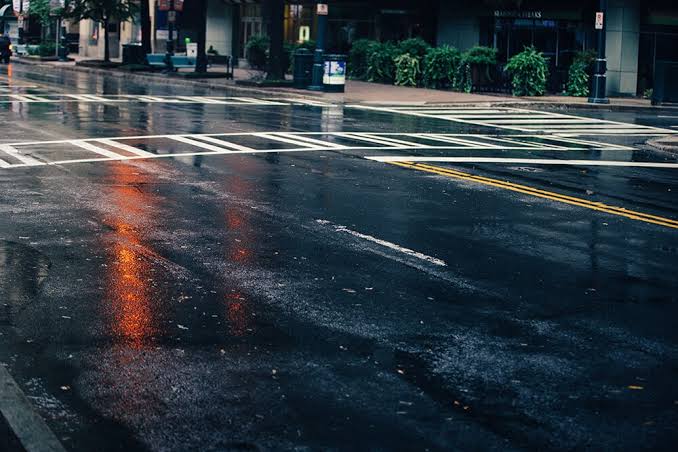
    Rain can create reflections from headlights and streetlights, making road markings harder to see.

    When driving in poor weather:

    • Reduce speed.
    • Increase following distance.
    • Avoid sudden braking.
    • Use appropriate lights.
    • Stay focused on lane positioning.

    In fog, avoid using high beams because they can reflect back and make visibility worse. Low beams are usually more effective.

    Plan Your Route Before Driving

    Knowing where you are going reduces stress and distractions.

    Before starting a nighttime journey:

    • Check your route.
    • Know where you can stop safely.
    • Ensure your phone has enough battery.
    • Inform someone about your expected arrival time if traveling long distances.

    Unfamiliar roads are more difficult at night because you may not see important details such as sharp turns, construction areas, or changes in road conditions.

    Common Night Driving Mistakes to Avoid

    Many nighttime accidents happen because drivers underestimate the conditions.

    Avoid these mistakes:

    Driving too fast because the road looks empty

    A quiet road does not mean it is safe to speed. Hazards can appear suddenly.

    Using high beams incorrectly

    High beams can improve visibility but can also create danger when used around other drivers.

    Driving while extremely tired

    Fatigue affects reaction time, decision-making, and concentration.

    Ignoring vehicle maintenance

    Weak headlights, worn tires, and dirty windshields can significantly reduce safety.

    Assuming you can see everything clearly

    Your vision is naturally limited in darkness. Drive based on what you can safely see, not what you expect to be there.

    A Simple Night Driving Checklist

    Before driving at night, ask yourself:

    • Are my headlights clean and working?
    • Is my windshield clear?
    • Am I rested enough to drive?
    • Do I know my route?
    • Are my mirrors adjusted correctly?
    • Is my speed appropriate for visibility?
    • Do I have enough distance from other vehicles?

    These small checks can prevent serious problems.

    The Most Important Rule for Night Driving

    Safe night driving comes down to giving yourself more time and more space.

    You cannot control everything that happens on the road, but you can control how prepared you are, how fast you drive, how alert you remain, and how well your vehicle is maintained.

    When driving after dark, slow down when visibility is limited, avoid distractions, manage fatigue, and remember that seeing less means you need more time to react. Good nighttime driving is not about confidence alone. It is about making careful decisions that keep you and everyone else on the road safer.

  • FRSC Road Signs Every Driver Should Know

    FRSC Road Signs Every Driver Should Know

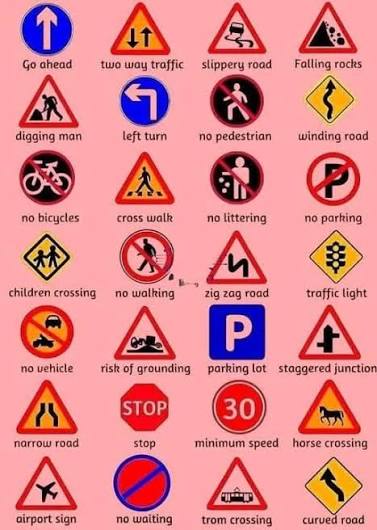
    Driving on Nigerian roads requires more than knowing how to operate a vehicle. A driver must understand the signs placed along roads because these signs communicate important instructions, warnings, and information that help prevent accidents and improve traffic flow.

    Many road crashes happen because drivers ignore or misunderstand traffic signs. A sign showing a sharp bend, pedestrian crossing, speed limit, or no-entry instruction is not just a symbol on a board. It is a message designed to help drivers make safer decisions before reaching a potentially dangerous situation.

    The Federal Road Safety Corps (FRSC) uses road signs based on internationally recognized traffic sign systems to guide road users across Nigeria. Understanding these signs is essential for learner drivers preparing for a driving test, experienced drivers refreshing their knowledge, and anyone who wants to become a safer road user.

    This guide explains the major FRSC road signs every driver should know, what they mean, and how to respond when you see them on Nigerian roads.

    Why Road Signs Are Important for Every Driver

    Road signs create a common language between drivers, pedestrians, and other road users. Since drivers cannot communicate directly with everyone around them, signs provide clear instructions that help manage movement and reduce confusion.

    For example, a driver approaching a roundabout does not need someone standing there to explain what to do. The roundabout sign alerts the driver early enough to slow down, prepare, and give way where necessary.

    Road signs help drivers to:

    • Identify hazards ahead
    • Understand traffic rules
    • Maintain safe speeds
    • Know when stopping or turning is allowed
    • Protect pedestrians and other road users
    • Avoid penalties for traffic violations

    A responsible driver should not only recognize signs but also understand the correct action required after seeing them.

    Types of FRSC Road Signs in Nigeria

    Road signs are generally divided into three major categories:

    1. Regulatory signs
    2. Warning signs
    3. Information signs

    Each category serves a different purpose.

    Regulatory Road Signs

    Regulatory signs give instructions that drivers must obey. Ignoring these signs can lead to accidents, traffic violations, or penalties.

    Most regulatory signs are circular, although some important signs use different shapes.

    Stop Sign

    The stop sign is one of the most important road signs a driver must recognize.

    It usually appears as a red octagonal sign with the word “STOP” written clearly.

    When approaching a stop sign, the driver must:

    • Bring the vehicle to a complete stop
    • Check for vehicles, pedestrians, and other road users
    • Proceed only when it is safe

    A slow-down is not enough. The vehicle must completely stop before moving.

    No Entry Sign

    The no-entry sign tells drivers that they are not allowed to enter a particular road.

    It is commonly placed at:

    • One-way roads
    • Restricted areas
    • Roads where traffic moves in the opposite direction

    Entering a no-entry road can result in a head-on collision, especially if another vehicle is coming from the opposite direction.

    Speed Limit Sign

    Speed limit signs show the maximum speed allowed on a particular road.

    A driver should not assume that the same speed applies everywhere. Speed limits may change depending on:

    • Road condition
    • Location
    • Presence of pedestrians
    • Schools or residential areas
    • Highway regulations

    Driving above the posted speed limit reduces reaction time and increases the seriousness of crashes.

    No Parking Sign

    This sign indicates that vehicles should not be parked in that area.

    No parking restrictions are often placed near:

    • Busy intersections
    • Emergency access routes
    • Bus stops
    • Narrow roads

    Parking where it is prohibited can obstruct traffic and create safety risks.

    No U-Turn Sign

    The no U-turn sign means drivers must not turn their vehicles around at that location.

    These restrictions are usually placed where a U-turn could create danger, such as:

    • Busy highways
    • Blind corners
    • Areas with heavy traffic movement

    Warning Road Signs

    Warning signs alert drivers about possible dangers ahead. They do not always require stopping, but they require increased attention and careful driving.

    Most warning signs are triangular with a red border.

    Sharp Bend Sign

    This sign warns drivers that the road will change direction sharply.

    When approaching a sharp bend:

    • Reduce speed before entering the curve
    • Avoid sudden braking while turning
    • Stay within your lane

    Many crashes happen when drivers enter bends too quickly.

    Pedestrian Crossing Sign

    This sign indicates an area where pedestrians may cross the road.

    Drivers should:

    • Reduce speed
    • Watch for people crossing
    • Give pedestrians enough space

    Pedestrians, especially children and elderly people, may need more time to cross.

    School Zone Sign

    A school zone sign warns drivers that they are approaching an area where children may be present.

    Drivers should:

    • Slow down
    • Avoid unnecessary horn use
    • Watch carefully for children near the road

    Children may not always understand traffic dangers, so drivers must take extra care.

    Slippery Road Sign

    This sign warns that the road surface may become slippery.

    Common causes include:

    • Rain
    • Oil spills
    • Poor road conditions

    Drivers should reduce speed and avoid sudden steering or braking.

    Road Works Sign

    Road construction signs inform drivers about ongoing work ahead.

    Drivers should:

    • Reduce speed
    • Follow temporary instructions
    • Watch for workers and construction equipment

    Road conditions may change quickly around construction areas.

    Information Road Signs

    Information signs provide useful details about locations, services, and road conditions.

    They help drivers understand what is available along their route.

    Hospital Sign

    This sign indicates the location of a nearby hospital or medical facility.

    Drivers should understand that areas around hospitals may require careful driving because emergency vehicles and pedestrians may be present.

    Parking Area Sign

    This sign shows where drivers can legally park their vehicles.

    Using designated parking areas helps prevent unnecessary traffic obstruction.

    Fuel Station Sign

    Fuel station signs inform drivers about nearby places where they can buy fuel.

    They are especially useful on long-distance journeys where planning fuel stops is important.

    Bus Stop Sign

    This sign identifies an approved stopping area for buses and public transport vehicles.

    Drivers should avoid blocking bus stops because it can create traffic congestion.

    Common Road Signs Drivers Often Ignore

    Some drivers recognize road signs but fail to follow them consistently. These mistakes can increase accident risks.

    Ignoring Speed Limit Signs

    Some drivers believe speed limits are only suggestions. They are not.

    Speed restrictions are based on road conditions and safety considerations.

    Overtaking Where Signs Prohibit It

    Roads with no-overtaking signs usually have safety reasons behind them, such as:

    • Poor visibility
    • Sharp curves
    • Approaching intersections

    Overtaking in these areas can put multiple road users at risk.

    Ignoring Pedestrian Signs

    Pedestrian signs are sometimes overlooked because drivers focus only on other vehicles.

    However, pedestrians are among the most vulnerable road users.

    Failing to Notice Temporary Signs

    Temporary road signs during construction, emergencies, or special events are equally important as permanent signs.

    Drivers must pay attention to changing road conditions.

    How Learner Drivers Can Remember Road Signs Easily

    Memorizing road signs becomes easier when drivers understand the meaning behind their shapes and colors.

    A simple approach is:

    Red signs usually indicate restrictions or prohibitions.

    Examples:

    • Stop
    • No entry
    • Speed restrictions

    Triangular signs usually warn about danger ahead.

    Examples:

    • Sharp bends
    • Pedestrian crossings
    • Road hazards

    Blue or informational signs usually provide guidance or services.

    Examples:

    • Parking
    • Hospitals
    • Direction information

    Understanding patterns helps drivers recognize unfamiliar signs faster.

    FRSC Road Signs and Driving Tests in Nigeria

    Anyone applying for a Nigerian driver’s licence needs basic knowledge of traffic signs. The FRSC driving test evaluates whether drivers understand road rules, signs, and safe driving practices.

    Before taking a driving test, learners should study:

    • Common road signs and meanings
    • Right-of-way rules
    • Traffic signals
    • Safe driving practices
    • Road markings

    Learning road signs should not only be about passing a test. These signs continue to guide drivers throughout their driving life.

    Why Understanding Road Signs Makes You a Better Driver

    A good driver does not wait until a dangerous situation happens before reacting. Road signs provide early warnings that allow drivers to make safer choices.

    A driver who understands signs can:

    • Anticipate road conditions
    • Reduce sudden decisions
    • Protect passengers
    • Avoid unnecessary traffic offences
    • Drive confidently in unfamiliar locations

    Road safety depends on the cooperation of everyone using the road. Following signs is one of the simplest ways drivers contribute to safer roads.

    Final Reminder for Drivers

    Road signs are not decorations placed beside roads. They are safety instructions created to protect lives.

    Before starting any journey, especially on unfamiliar routes, take time to observe signs around you. A few seconds of attention can prevent a serious crash.

    Every driver should know the meaning of common FRSC road signs because safe driving begins with understanding the road.

  • How to Identify Fake Vehicle Papers Before Buying a Car

    How to Identify Fake Vehicle Papers Before Buying a Car

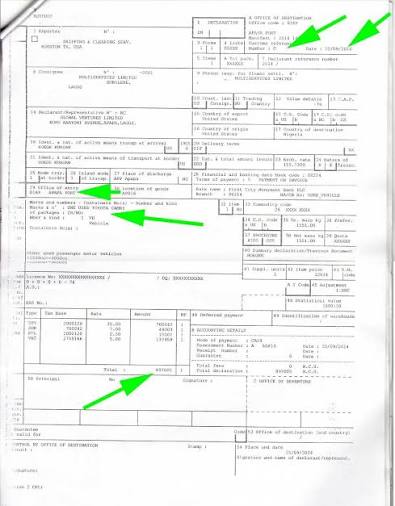
    Buying a used vehicle can save money, but it also comes with risks. One of the biggest risks is purchasing a car with fake or altered documents. A vehicle may look clean, have a convincing seller, and even come with official-looking papers, yet the documents could be forged, expired, or linked to another owner.

    Learning how to identify fake vehicle papers helps you avoid losing your money, buying a stolen vehicle, or dealing with legal problems after the purchase. Before paying for any used car, you need to verify that the documents match the vehicle, the seller, and official government records.

    Fake vehicle documents are becoming harder to spot because fraudsters often use high-quality printing, copied signatures, and edited digital documents. However, there are still warning signs and verification steps that can help you protect yourself.

    Check if the vehicle documents match the actual vehicle

    The first step in identifying fake vehicle papers is comparing the information on the documents with the vehicle itself.

    Every legitimate vehicle has unique identification details. These details should appear consistently across the vehicle and its paperwork.

    Check:

    • Vehicle Identification Number (VIN) or chassis number
    • Engine number
    • Registration number
    • Vehicle make and model
    • Year of manufacture
    • Colour
    • Plate number

    The VIN or chassis number is especially important because it acts like the vehicle’s fingerprint. A mismatch between the number on the vehicle and the number on the document is a major warning sign.

    For example, if the registration document shows a Toyota Corolla with a particular chassis number but the vehicle carries a different chassis number, the papers may not belong to that car.

    Do not rely only on what the seller tells you. Physically inspect the vehicle details yourself or ask a qualified mechanic or inspection professional to help.

    Inspect the quality of the vehicle documents

    Fake vehicle papers often contain small mistakes that become obvious when examined carefully.

    Look closely at:

    • Poor printing quality
    • Spelling mistakes
    • Incorrect government logos
    • Uneven fonts
    • Blurry stamps
    • Missing security features
    • Different paper quality compared with genuine documents
    • Altered dates or numbers

    Official vehicle documents usually follow a consistent format. Fraudsters may copy the appearance of legitimate papers, but small details are often different.

    Pay attention to areas where information may have been changed. A document with erased marks, overwritten numbers, unusual ink differences, or damaged sections should be treated carefully.

    A clean-looking document does not automatically mean it is genuine. Modern fraud techniques can make fake documents appear professional.

    Verify the vehicle registration with the relevant authority

    The most reliable way to confirm vehicle documents is through official verification channels.

    Depending on your country or state, vehicle registration information may be managed by a government transport agency or motor vehicle authority.

    For example, in Nigeria, buyers commonly verify vehicle details through official motor vehicle registration systems and relevant state transport authorities before completing a purchase.

    Verification can help confirm:

    • Whether the registration number exists
    • Whether the vehicle is legally registered
    • Whether the chassis number matches government records
    • Whether the vehicle belongs to the person selling it
    • Whether there are restrictions or issues attached to the vehicle

    Never depend only on printed documents provided by the seller. A fake document can look real but may not exist in official records.

    Confirm the seller is the real owner

    A common mistake buyers make is focusing only on the vehicle while ignoring the seller.

    Fake vehicle papers are often used by people who are not the legal owners of the vehicle.

    Ask the seller for:

    • Valid identification
    • Proof of ownership
    • Previous purchase documents
    • Transfer documents if applicable

    Compare the seller’s information with the name on the vehicle documents.

    Be careful if:

    • The seller claims they are selling for someone else
    • The owner’s name does not match
    • The seller refuses to provide identification
    • The seller pressures you to pay quickly

    A genuine owner should usually be comfortable with reasonable verification steps.

    Check for signs of document alteration

    Some fake vehicle papers are not completely forged. Instead, criminals modify genuine documents.

    Common alterations include:

    • Changing the owner’s name
    • Changing the vehicle identification number
    • Changing registration dates
    • Replacing photographs
    • Modifying signatures
    • Editing digital copies

    Examine the document carefully for inconsistencies.

    For physical documents, look for:

    • Different handwriting styles
    • Uneven alignment
    • Damaged areas around text
    • Unusual spacing
    • Signs that sections were removed or replaced

    For digital documents, be cautious with files that only exist as scanned copies. Ask to see original documents whenever possible.

    Be careful with vehicles sold below market price

    An unusually cheap vehicle can sometimes be a warning sign.

    Fraudsters may offer vehicles at attractive prices because they want buyers to make quick decisions before discovering problems.

    A low price does not always mean fraud. Some owners genuinely need urgent sales. However, a very cheap vehicle combined with questionable documents should increase your caution.

    Ask yourself:

    • Why is the vehicle cheaper than similar models?
    • Is the seller avoiding proper inspection?
    • Are they rushing the payment process?
    • Are they unwilling to complete official transfer procedures?

    A good deal should still allow proper verification.

    Check the vehicle history where possible

    Vehicle history checks can reveal information that documents alone may not show.

    Depending on available services in your location, a vehicle history check may reveal:

    • Previous ownership records
    • Accident history
    • Theft reports
    • Registration problems
    • Import issues

    This is especially important for imported vehicles because some cars may enter the market with incomplete or questionable documentation.

    A clean-looking vehicle does not always have a clean history.

    Verify imported vehicle documents carefully

    Imported vehicles often require additional checks because they may have passed through multiple countries or owners.

    Check:

    • Import documents
    • Customs clearance records
    • Shipping records where available
    • Duty payment documents
    • Previous registration records

    Fake import documents are commonly used to make illegally imported vehicles appear legitimate.

    If the seller cannot explain where the vehicle came from or cannot provide supporting documents, investigate further before buying.

    Common mistakes buyers make when checking vehicle papers

    Many people lose money because they skip basic verification steps.

    Some common mistakes include:

    Trusting the seller too quickly

    A friendly seller does not guarantee legitimate ownership. Fraudsters often appear confident and professional.

    Checking only the registration paper

    A single document is not enough. Ownership, registration, and vehicle details should all agree.

    Ignoring chassis and engine numbers

    These numbers are more reliable than appearance because vehicles can be repainted, modified, or fitted with different parts.

    Paying before completing verification

    Once money has changed hands, recovering it can become difficult. Always complete checks before payment.

    Avoiding professional inspection

    A mechanic or vehicle inspection expert can identify issues that an ordinary buyer may miss.

    Questions to ask before buying a used vehicle

    Before completing a purchase, ask:

    • Who is the registered owner?
    • Can I verify the vehicle registration officially?
    • Do the chassis and engine numbers match the documents?
    • Are there previous ownership records?
    • Has the vehicle ever been reported stolen?
    • Are all transfer documents available?
    • Can we complete ownership transfer officially?

    A seller who refuses basic questions should be treated carefully.

    What to do if you suspect fake vehicle papers

    If you believe vehicle documents may be fake:

    1. Do not complete payment.
    2. Do not attempt to alter or hide the documents.
    3. Keep copies of all documents and communication with the seller.
    4. Report suspicious activity to the appropriate vehicle authority or law enforcement agency.
    5. Seek professional advice before taking further action.

    Buying or possessing a vehicle with fake papers can create serious legal problems, even if you unknowingly purchased it.

    A simple checklist before buying any used vehicle

    Before paying for a vehicle, confirm:

    ✓ The chassis number matches the documents
    ✓ The engine number matches the documents
    ✓ The seller’s identity matches ownership records
    ✓ Registration details are verified officially
    ✓ Documents show no signs of alteration
    ✓ Transfer procedures are available
    ✓ Vehicle history has been checked where possible
    ✓ A professional inspection has been completed

    The safest vehicle purchase is not the one with the cheapest price. It is the one where ownership, registration, and vehicle history can all be clearly verified.

    Taking time to check vehicle papers before buying can save you from financial loss, legal trouble, and the stress of discovering that the car you purchased was never legally yours.

  • How to Report Bad Roads and Get Road Problems Fixed

    How to Report Bad Roads and Get Road Problems Fixed

    A damaged road can create serious problems for drivers, passengers, cyclists, and pedestrians. Large potholes, broken bridges, flooded roads, missing road signs, and damaged drainage systems can cause accidents, damage vehicles, and make daily travel stressful.

    If you are searching for how to report bad roads, you are likely looking for a practical way to bring the issue to the attention of the right authorities. Reporting road problems is one of the easiest ways citizens can help improve safety in their communities, but many people do not know where to start, what information to provide, or who is responsible for fixing the problem.

    The reporting process depends on your location and the type of road involved. A local government road may be handled differently from a state or federal highway. However, the basic steps are similar: identify the problem, collect useful details, contact the responsible authority, and follow up until the issue receives attention.

    Identify the Type of Road Problem

    Before reporting a bad road, clearly identify what is wrong. Authorities need specific information to understand the issue and decide how urgently it should be handled.

    Common road problems that can be reported include:

    • Large potholes that can damage vehicles
    • Cracked or collapsed sections of road
    • Flooded roads caused by poor drainage
    • Broken bridges or dangerous road surfaces
    • Missing or damaged road signs
    • Poor road markings
    • Road shoulders that have become unsafe
    • Streetlights that are not working
    • Construction damage left unrepaired

    A report saying “the road is bad” may not provide enough information for quick action. A better report explains exactly what happened.

    For example:

    Weak report:

    “The road near my area is terrible.”

    Better report:

    “There is a large pothole about one metre wide on the right side of the road near the market entrance. Vehicles are avoiding it, creating a risk of accidents.”

    The second report gives officials something they can investigate.

    Gather Important Information Before Reporting

    A good road complaint should contain enough details for the responsible agency to locate and understand the problem.

    Try to collect the following information:

    Exact Location

    Provide the clearest location possible.

    Include:

    • Road name
    • Nearby landmarks
    • Community or neighbourhood name
    • City and state
    • Direction of travel if the problem affects one side of the road

    For example:

    “Three hundred metres after the main entrance of the community, heading toward the expressway.”

    A precise location reduces delays because maintenance teams can find the problem easily.

    Photos or Videos

    Visual evidence can make your complaint stronger.

    Take clear pictures showing:

    • The size of the pothole
    • The damaged road section
    • Nearby landmarks
    • The effect on traffic or movement

    Videos can also help show dangerous situations, especially for flooded roads or areas where vehicles struggle to pass.

    Date and Time

    Mention when you noticed the problem.

    This helps authorities understand whether the issue is new or has existed for a long time.

    Safety Impact

    Explain how the road problem affects people.

    Examples:

    • “Motorcycles are falling because of the damaged surface.”
    • “Vehicles are entering the opposite lane to avoid the pothole.”
    • “The road becomes impossible to use after rainfall.”

    This helps authorities understand the urgency.

    Report the Road Problem to the Right Authority

    One of the biggest reasons road complaints are ignored is that they are sent to the wrong agency.

    Different levels of government usually manage different roads.

    Local Government Roads

    Local authorities often handle smaller community roads, residential streets, and local drainage problems.

    Contact your:

    • Local government office
    • Municipal authority
    • Public works department
    • Community development office

    State Roads

    Major roads connecting towns or cities are often managed by state-level transportation or works departments.

    You may need to contact:

    • State ministry of works
    • State road maintenance agency
    • State government complaint channels

    Federal Roads

    Large highways and major transport routes may be handled by national road agencies.

    In Nigeria, for example, federal highways are generally managed by the Federal Ministry of Works and related road agencies. Citizens can use official government communication channels to submit complaints about federal road conditions.

    Use Online Platforms to Report Bad Roads

    Many government agencies now provide online options for reporting public infrastructure problems.

    Possible reporting channels include:

    • Official government websites
    • Mobile apps
    • Social media accounts of government agencies
    • Online complaint forms
    • Email addresses published on official websites

    When using social media, avoid only posting complaints without details. A useful post should include:

    • Exact location
    • Clear description
    • Photos
    • Relevant government agency tag

    A detailed report is more likely to receive attention.

    Report Through Local Representatives

    If official channels do not respond, you can also contact elected representatives or community leaders.

    Depending on your location, these may include:

    • Local councillors
    • Community leaders
    • State representatives
    • Members of parliament

    Public officials often receive infrastructure complaints from residents and can help direct the issue to the appropriate department.

    What to Include in a Road Complaint Message

    A clear complaint should be short but informative.

    Include:

    1. A description of the problem
    2. The exact location
    3. Evidence such as photos
    4. The safety impact
    5. A request for inspection or repair

    Example:

    I would like to report a damaged section of road near [location]. The road has a large pothole that is causing vehicles to slow down suddenly and creating a safety risk. I have attached pictures showing the condition of the road. Kindly inspect and repair the affected area.

    Follow Up After Reporting

    Submitting a complaint does not always mean the problem will be fixed immediately.

    Road repairs often depend on:

    • Available funding
    • Severity of the damage
    • Weather conditions
    • Maintenance schedules
    • Government priorities

    If you do not receive a response, follow up politely.

    Keep:

    • Complaint reference numbers
    • Screenshots
    • Emails
    • Dates of communication

    A documented follow-up history makes it easier to escalate the issue.

    Common Mistakes People Make When Reporting Bad Roads

    Reporting Without Enough Details

    A complaint without a location, photos, or explanation may be difficult to act on.

    Always provide information that helps officials verify the problem.

    Sending Complaints to the Wrong Agency

    A local road complaint sent to a federal agency may experience unnecessary delays.

    Find out who manages the road before submitting your report.

    Using Only Emotional Complaints

    Frustration is understandable, but factual reports usually work better.

    Instead of:

    “The government has abandoned this road.”

    Write:

    “The road has several deep potholes that have remained unrepaired for six months and are affecting traffic movement.”

    Not Following Up

    Many complaints require persistence. Following up shows that residents are paying attention and still expect action.

    Why Reporting Bad Roads Matters

    Road maintenance is not only the responsibility of government agencies. Citizens also play an important role by identifying problems early.

    Early reporting can help prevent:

    • Vehicle damage
    • Traffic accidents
    • Increased repair costs
    • Further road deterioration

    A small pothole can become a major road failure if it is ignored for too long.

    What to Do If the Road Remains Unrepaired

    If your complaint receives no response, consider escalating the issue.

    Possible steps include:

    • Contacting higher-level authorities
    • Reporting through official complaint systems
    • Working with community groups
    • Raising awareness through local organizations
    • Requesting updates from responsible officials

    When multiple residents report the same problem, authorities may recognize it as a wider community concern.

    Final Takeaway

    Learning how to report bad roads helps you take action instead of simply dealing with unsafe conditions. A successful complaint is specific, supported with evidence, and sent to the authority responsible for that road.

    The most effective report includes the exact location, clear photos, a description of the danger, and a request for inspection or repair. While road repairs may not happen immediately, consistent and well-documented reporting increases the chance that the problem receives attention.

  • How to Appeal a Traffic Ticket: Steps, Requirements, and Mistakes to Avoid

    How to Appeal a Traffic Ticket: Steps, Requirements, and Mistakes to Avoid

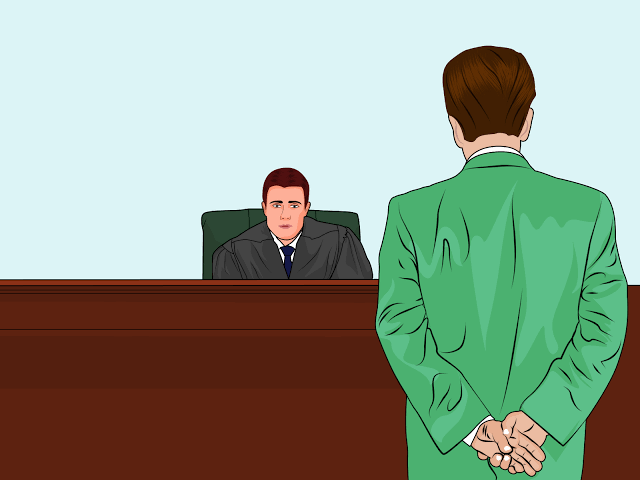
    Receiving a traffic ticket can be frustrating, especially if you believe the citation was issued unfairly or contains incorrect information. Many drivers assume that paying the fine is the only option, but in many places, you have the right to challenge a traffic ticket through an appeal or court review process.

    Learning how to appeal a traffic ticket can help you protect your driving record, avoid unnecessary penalties, and present your side of the situation properly. The process is not simply about saying you disagree with the ticket. A successful appeal usually requires understanding the rules, gathering evidence, meeting deadlines, and showing why the original decision should be reviewed.

    The exact process depends on your location, the type of violation, and the court or traffic authority handling the case. This guide explains the general steps involved, what evidence can help, common mistakes to avoid, and when appealing a ticket may be worth considering.

    Understand What an Appeal Means for a Traffic Ticket

    Before starting the process, it is important to understand what a traffic ticket appeal actually involves.

    An appeal is a formal request asking a higher authority, court, or review body to reconsider a decision. In many traffic cases, this may happen after you have received a citation, attended a hearing, or been found responsible for a violation.

    An appeal is different from simply explaining your situation to the officer who issued the ticket. Once a ticket has been processed, the matter usually moves into a legal or administrative process.

    The purpose of an appeal is generally to show that:

    • The decision was based on incorrect information
    • Important evidence was ignored
    • The law was applied incorrectly
    • There was a procedural mistake
    • The violation did not happen as described

    Simply believing that a ticket is unfair may not be enough. You usually need a clear reason supported by facts.

    Check Whether You Are Allowed to Appeal

    Not every traffic ticket situation follows the same process. Before preparing an appeal, confirm whether your ticket can be challenged and what options are available.

    Some common situations where drivers may appeal include:

    • A speeding ticket issued based on incorrect information
    • A parking violation that was issued in error
    • A red-light or camera ticket where the evidence is questionable
    • A ticket issued when you believe you were not responsible
    • A citation involving incorrect vehicle or driver details

    Some locations allow drivers to request a hearing before moving to an appeal. Others may require the driver to challenge the ticket first before an appeal becomes available.

    Check the instructions written on your ticket, visit the official website of the relevant traffic authority, or contact the court listed on the citation for the correct procedure.

    Review the Ticket Carefully for Errors

    Small mistakes on a traffic ticket can sometimes affect your ability to defend yourself.

    Carefully review all details, including:

    • Your name and personal information
    • Vehicle registration details
    • Date and time of the alleged violation
    • Location of the incident
    • Type of violation listed
    • Officer information
    • Instructions about payment or contesting the ticket

    Errors do not automatically cancel a ticket. For example, a minor spelling mistake may not be enough to dismiss a citation. However, serious inaccuracies that affect the facts of the case may become relevant during your challenge.

    For example, if the ticket states that the violation happened at a location where your vehicle was not present, that information may support your argument.

    Gather Evidence Before Filing Your Appeal

    A strong appeal depends on evidence. Your goal is to provide information that supports your version of events.

    Useful evidence may include:

    Photos and Videos

    Images or recordings can help show conditions at the time of the alleged violation.

    Examples include:

    • Road signs that were unclear or missing
    • Poor road markings
    • Incorrect parking signs
    • Traffic signals that were not working properly
    • Vehicle location evidence

    Witness Statements

    If another person saw what happened, their statement may help support your case.

    A witness should provide specific details, such as:

    • What they observed
    • Where they were standing
    • When the event occurred
    • Why their information is relevant

    Documents and Records

    Depending on the situation, helpful documents may include:

    • Parking receipts
    • Vehicle repair records
    • GPS information
    • Dashcam footage
    • Maintenance reports
    • Permits or authorization documents

    The strongest evidence directly addresses the reason you received the ticket.

    Learn the Appeal Deadline

    Missing the deadline is one of the most common reasons traffic appeals fail.

    Traffic authorities usually provide a specific period for challenging a ticket. This may be a number of days after receiving the citation or after a court decision is issued.

    The deadline may apply to:

    • Requesting a hearing
    • Filing an appeal form
    • Paying required administrative fees
    • Submitting supporting evidence

    Do not wait until the last day if you intend to appeal. Some systems require paperwork processing time, and delays can affect your ability to challenge the ticket.

    File the Required Appeal Documents

    Once you understand the process, you will usually need to submit an official appeal request.

    The exact forms vary, but you may need to provide:

    • Your ticket or citation number
    • Your contact information
    • The reason you are appealing
    • Supporting evidence
    • A statement explaining your argument

    Your explanation should focus on facts rather than emotions.

    A weak statement might say:

    “I think this ticket is unfair and I cannot afford the fine.”

    A stronger statement explains:

    “The ticket states that my vehicle was parked in a restricted area, but the attached photos show that the restriction sign was not visible from the parking space.”

    The goal is to help the reviewer understand why the original decision should be reconsidered.

    Prepare Your Argument Clearly

    If your appeal requires a hearing, preparation matters.

    A good traffic ticket argument usually follows a simple structure:

    Explain What Happened

    Describe the situation calmly and provide relevant details.

    Identify the Problem With the Ticket

    Explain why you believe the citation or decision was incorrect.

    Present Your Evidence

    Connect your evidence directly to your argument.

    Explain the Outcome You Are Requesting

    Depending on your situation, you may request:

    • Cancellation of the ticket
    • Reduction of penalties
    • A new hearing
    • Correction of incorrect information

    Avoid making arguments based only on frustration or personal circumstances unless the process specifically considers them.

    Understand Possible Outcomes of an Appeal

    Appealing a traffic ticket does not always mean the ticket will disappear.

    Possible outcomes may include:

    The Ticket Is Dismissed

    If the reviewer or court agrees that the violation was not proven or there was a serious error, the ticket may be cancelled.

    The Penalty Is Reduced

    In some cases, the ticket remains but the fine or consequences may be lowered.

    The Original Decision Is Confirmed

    The appeal may be unsuccessful, meaning the original ticket remains valid.

    Additional Steps Are Required

    Some appeals may lead to another hearing or review before a final decision is made.

    Understanding these possibilities can help you decide whether appealing is worth your time and effort.

    Common Mistakes People Make When Appealing Traffic Tickets

    Many drivers weaken their own cases by making avoidable mistakes.

    Ignoring the Deadline

    A strong argument may fail if it is submitted after the allowed period.

    Providing No Evidence

    A statement without supporting information may be difficult to prove.

    Focusing Only on Personal Problems

    Financial difficulty, being late, or needing to get somewhere quickly usually does not prove that a traffic violation did not occur.

    Being Emotional or Aggressive

    Disrespectful communication can hurt your credibility. A clear, factual explanation is usually more effective.

    Assuming the Officer Must Appear

    Rules vary by location. Some hearings may proceed based on written evidence, while others may involve testimony.

    Paying the Ticket Without Understanding the Consequences

    In some places, paying a ticket may be treated as accepting responsibility. Before paying, check whether payment removes your right to challenge the citation.

    When Should You Appeal a Traffic Ticket?

    Appealing may make sense when:

    • You believe the ticket was issued incorrectly
    • You have evidence supporting your claim
    • The penalty could affect your driving record or insurance
    • The ticket involves significant fines or consequences
    • There was a clear procedural mistake

    It may be less worthwhile when:

    • You have no evidence
    • The violation is clearly supported by facts
    • The appeal process requires significant time compared with the possible benefit

    Each situation is different. Consider the potential impact of the ticket and the strength of your argument before deciding.

    Should You Hire a Traffic Lawyer?

    For minor violations, many drivers handle appeals themselves. However, professional legal help may be useful in more serious situations.

    Consider consulting a traffic lawyer if:

    • You face license suspension
    • The ticket involves serious violations
    • You have multiple traffic offenses
    • The case could affect employment
    • You are unfamiliar with the legal process

    A lawyer can help identify weaknesses in the case, prepare arguments, and represent you during hearings where allowed.

    Tips for Increasing Your Chances of Success

    A careful approach can improve your chances:

    • Act quickly after receiving the ticket
    • Read all instructions carefully
    • Collect evidence before memories fade
    • Keep copies of all documents
    • Focus on facts and applicable rules
    • Attend hearings when required
    • Remain respectful throughout the process

    Traffic appeal systems are designed to allow drivers to challenge decisions, but success usually depends on preparation rather than simply disagreeing with the ticket.

    Final Thoughts

    Appealing a traffic ticket requires more than claiming that the citation was unfair. The process involves understanding your rights, following the correct procedures, meeting deadlines, and presenting clear evidence.

    Start by reviewing your ticket, checking the appeal rules in your area, and collecting information that supports your position. Because traffic laws and procedures differ between locations, always confirm the current requirements with the official court or traffic authority responsible for your ticket.

    A well-prepared appeal gives you the best opportunity to have the decision reviewed fairly and ensures that your side of the story is properly considered.

  • How to Avoid Traffic Around Lagos Island

    How to Avoid Traffic Around Lagos Island

    Traffic around Lagos Island can turn a short trip into a frustrating journey, especially during weekday rush hours. Areas such as Marina, CMS, Idumota, Broad Street, Balogun Market, Obalende, and Third Mainland Bridge connections often experience heavy congestion because they serve as major business, commercial, and transport hubs.

    Knowing how to avoid traffic around Lagos Island is less about finding one perfect route and more about understanding how traffic flows, when congestion happens, and which alternatives can save you time.

    Whether you are heading to work, visiting a market, attending a business meeting, or passing through Lagos Island to another part of the city, a little planning can make your trip much easier.

    Understand Why Lagos Island Traffic Gets Heavy

    Lagos Island is one of the busiest parts of Lagos because many activities happen within a relatively small area.

    The island attracts:

    • Office workers travelling to business districts
    • Traders and shoppers visiting commercial areas
    • Public transport passengers connecting through major terminals
    • Visitors accessing government offices, banks, and corporate buildings
    • Vehicles moving between Lagos Mainland, Victoria Island, Ikoyi, and Lekki

    Several roads carry a large volume of vehicles daily, including:

    • Third Mainland Bridge connections
    • Carter Bridge routes
    • Eko Bridge approaches
    • Apapa-Oshodi corridor connections
    • Marina and CMS areas

    Traffic usually becomes worse when several factors combine, such as rush hour movement, road construction, accidents, vehicle breakdowns, heavy commercial activity, or poor weather conditions.

    Understanding these patterns helps you decide when and how to travel.

    Avoid Peak Traffic Hours Around Lagos Island

    One of the easiest ways to reduce travel delays is adjusting your travel time.

    The busiest periods are usually:

    Morning rush hour

    Many workers enter Lagos Island between approximately 6:30 AM and 10:00 AM. Roads leading into CMS, Marina, and surrounding business areas often experience significant congestion during this period.

    Evening rush hour

    Traffic usually increases from around 4:00 PM as workers leave offices and commuters travel back toward Lagos Mainland, Ikeja, Ajah, and other residential areas.

    If possible, consider travelling:

    • Before 6:30 AM
    • Between late morning and early afternoon
    • After evening rush-hour congestion reduces

    For business appointments, arriving early can often save more time than trying to rush through heavy traffic.

    Choose Your Route Based on Your Starting Point

    The best way to avoid Lagos Island traffic depends heavily on where you are coming from.

    A route that works well from Ikeja may not be the best option from Lekki or Ajah.

    Coming from Lagos Mainland

    If you are travelling from areas such as:

    • Yaba
    • Surulere
    • Ikeja
    • Maryland
    • Gbagada

    you may have multiple options depending on traffic conditions.

    Possible approaches include:

    • Third Mainland Bridge routes
    • Carter Bridge access
    • Eko Bridge connections

    However, these routes can become extremely slow during peak periods. Checking traffic conditions before leaving is important because an accident or stalled vehicle can quickly affect travel time.

    Coming from Victoria Island or Lekki

    Travellers from Victoria Island and Lekki often use:

    • Bonny Camp area connections
    • Falomo Bridge routes
    • Obalende approaches

    Traffic around Obalende, Lekki Phase 1, and Ozumba Mbadiwe Road can affect movement into Lagos Island.

    Leaving earlier before office traffic builds up can make a major difference.

    Coming from Ikoyi

    If you are travelling from Ikoyi, routes through:

    • Obalende
    • Falomo
    • Osborne areas

    may be affected by congestion depending on the time of day.

    Short distances can still take a long time during busy periods because several major traffic streams meet around these areas.

    Use Alternative Transport Options When Possible

    Driving is not always the fastest option around Lagos Island.

    Depending on your destination, alternative transport may save time.

    Water transport

    For some travellers, Lagos waterways can provide an alternative to road congestion.

    Ferry services connecting different parts of Lagos can help avoid some road delays, especially for commuters travelling between areas connected by waterways.

    Before using water transport, check:

    • Departure locations
    • Operating schedules
    • Ticket availability
    • Weather conditions

    Public transport

    Buses and taxis may sometimes move through routes that individual drivers find difficult because experienced drivers understand local traffic patterns.

    However, travel time can still vary depending on congestion.

    Walking short distances

    Some areas of Lagos Island are closer than they appear on a map.

    For example, moving between nearby commercial areas may sometimes be faster by walking than sitting in slow-moving traffic.

    Avoid Highly Congested Areas During Busy Periods

    Some Lagos Island locations frequently experience heavy movement because of commercial activities.

    These areas include:

    • CMS
    • Marina
    • Idumota
    • Balogun Market area
    • Obalende
    • Tinubu Square surroundings

    If your destination is close to these areas, consider:

    • Parking outside the busiest zones
    • Walking the final distance
    • Visiting during less crowded hours
    • Choosing side streets where appropriate

    This approach can reduce the time spent searching for parking or waiting in traffic.

    Check Live Traffic Conditions Before Leaving

    Traffic conditions in Lagos can change quickly.

    A route that is clear in the morning may become blocked later because of:

    • Road accidents
    • Vehicle breakdowns
    • Security activities
    • Weather-related delays
    • Sudden congestion

    Before starting your trip, check live traffic updates using:

    • Google Maps traffic feature
    • Navigation apps with real-time updates
    • Local traffic information sources

    Do not rely only on yesterday’s travel experience. Lagos traffic patterns can change daily.

    Plan Around Major Events and Busy Days

    Certain days and events can increase congestion around Lagos Island.

    Extra traffic may occur during:

    • Public holidays
    • Major religious celebrations
    • Political events
    • Large business conferences
    • Market peak periods
    • Special events around Tafawa Balewa Square or Marina areas

    If you have an important appointment, check whether anything happening nearby could affect your route.

    Parking Strategy Matters More Than Many Drivers Expect

    Finding parking around Lagos Island can add unnecessary delays.

    Many drivers lose time because they enter crowded areas searching for parking spaces.

    A better approach is to:

    • Identify parking options before arriving
    • Avoid stopping on busy roads
    • Park slightly away from crowded commercial areas when possible
    • Walk a short distance to your destination

    Sometimes parking farther away saves more time than trying to get the closest spot.

    Common Mistakes That Make Lagos Island Traffic Worse

    Leaving without checking traffic conditions

    Many people assume their usual route will work every day. This can lead to unexpected delays.

    Travelling during peak hours for short trips

    A journey that normally takes 20 minutes can become much longer during rush hour.

    Following shortcuts without understanding them

    Not every shortcut saves time. Some smaller roads may become blocked because many drivers have the same idea.

    Entering commercial areas at the busiest time

    Markets and business districts become significantly more crowded during peak shopping periods.

    Ignoring weather conditions

    Rain can quickly increase congestion because of slower movement, flooding risks, and reduced road capacity.

    Practical Example: Planning a Trip to Lagos Island

    Imagine you have a 9:00 AM meeting at Marina.

    A driver leaving from Ikeja at 8:00 AM may encounter heavy traffic entering Lagos Island.

    A better plan could be:

    • Leave earlier before peak congestion increases
    • Check live traffic before choosing a route
    • Consider arriving near the area early and waiting
    • Avoid last-minute route changes based only on assumptions

    The goal is not just to drive faster. It is to reduce uncertainty.

    A Simple Strategy for Saving Time Around Lagos Island

    Before travelling, ask yourself:

    1. What time am I leaving?
    2. Is this a peak traffic period?
    3. Which roads connect my location to Lagos Island?
    4. Are there current delays on my route?
    5. Can I use another transport option?
    6. Where will I park?

    Answering these questions takes only a few minutes but can prevent hours of delay.

    Traffic around Lagos Island is unlikely to disappear completely because it remains one of Lagos’ busiest commercial areas. The most effective approach is learning the traffic patterns, choosing better travel times, checking conditions before leaving, and being flexible with your route.

  • Best Routes to Avoid Abuja Traffic: Smarter Ways to Move Around the City Faster

    Best Routes to Avoid Abuja Traffic: Smarter Ways to Move Around the City Faster

    Traffic in Abuja can be unpredictable. A journey that normally takes 20 minutes can suddenly stretch into an hour because of rush-hour congestion, road construction, accidents, security checks, or heavy movement around government districts.

    Finding the best routes to avoid Abuja traffic is not only about knowing alternative roads. It is about understanding how traffic flows across different parts of the city, knowing when certain roads become crowded, and choosing routes that match your destination.

    Whether you commute daily, run a business in Abuja, or are visiting the city, using less congested routes can save time, fuel, and unnecessary stress.

    This guide explains practical alternative routes, traffic patterns, and strategies that help you move around Abuja more efficiently.

    Why Abuja Traffic Becomes Congested

    Abuja was designed with wide roads and planned districts, but the city’s rapid growth has increased pressure on major roads.

    Several factors contribute to traffic delays:

    • Increased population and daily commuting
    • Heavy traffic around central districts
    • Peak-hour movement from residential areas into business zones
    • Road construction and maintenance work
    • Accidents and vehicle breakdowns
    • Security checkpoints in some areas
    • Limited alternative routes in certain corridors

    Most traffic problems happen during weekday peak periods:

    Morning rush: Around 6:30 AM to 9:30 AM
    Evening rush: Around 4:00 PM to 7:30 PM

    Major roads that experience regular congestion include:

    • Airport Road
    • Kubwa Expressway
    • Abuja-Keffi Road
    • Ahmadu Bello Way
    • Constitution Avenue
    • Zaria Road
    • Nyanya-Maraba corridor

    Knowing alternative routes can make a significant difference.

    Best Alternative Routes to Avoid Abuja Traffic


    1. Use the Wuye-Wuse Connection Instead of Busy Central Routes

    For people moving between areas like Wuye, Wuse, Garki, and nearby districts, using internal city roads can often be faster than relying only on major highways.

    Many drivers avoid congested sections of:

    • Ahmadu Bello Way
    • Herbert Macaulay Way
    • Central Area approaches

    by using connecting roads through:

    • Wuye
    • Zone 6
    • Area 1
    • Wuse 2

    These routes may involve more turns, but they can reduce time spent sitting in traffic.

    Best for:

    • Office workers
    • Short city movements
    • Avoiding Central Area congestion

    Avoid during:

    • Major events around Eagle Square
    • Heavy government activity periods

    2. Use the Inner Roads Around Garki Instead of the Airport Road

    Airport Road is one of Abuja’s busiest routes because it connects the city centre with residential areas and the airport corridor.

    During morning and evening rush hours, congestion can build around:

    • Lugbe
    • Galadimawa
    • City Gate
    • Kukwaba areas

    Alternative options include using connecting roads through:

    • Garki
    • Area 1
    • Wuse
    • Gudu

    depending on your final destination.

    For example, someone travelling from Garki to Wuse may save time by avoiding sections of Airport Road and using internal connections.

    Best for:

    • Garki to Wuse trips
    • Business district movements
    • Avoiding airport corridor delays

    3. Avoid Kubwa Expressway During Peak Hours by Using Alternative Connections

    The Kubwa Expressway is one of the busiest entry routes into Abuja.

    Traffic usually becomes heavy around:

    • Kubwa interchange
    • Dutse Alhaji
    • Katampe approaches
    • Zuba direction

    Drivers heading from Kubwa toward the city centre can consider alternative connections through:

    • Dutse
    • Gwarinpa links
    • Katampe routes

    The best option depends heavily on your destination.

    For example:

    • Going to Maitama? A Katampe connection may help.
    • Going to Wuse? Gwarinpa routes may reduce delays.
    • Going to the Central Area? Timing your trip outside peak periods may be better.

    4. Use the Katampe-Maitama Route to Avoid Busy City Centre Roads

    The Katampe and Maitama areas provide useful connections for drivers moving toward:

    • Asokoro
    • Wuse
    • Central Area
    • Jabi

    Instead of passing through heavily congested central roads, some drivers use these routes to move around the city.

    This is especially useful when major roads around:

    • Three Arms Zone
    • Federal Secretariat
    • Central Business District

    experience delays.

    Best for:

    • Business travellers
    • Government district movements
    • Drivers familiar with Abuja’s inner roads

    5. Consider the Gwarinpa-Jabi Route Instead of Major Highways

    Gwarinpa is one of Abuja’s busiest residential districts, and movement toward Jabi, Utako, and Wuse can become slow during peak periods.

    Alternative connections through:

    • Jabi
    • Life Camp
    • Kado
    • Karsana

    can sometimes provide smoother movement.

    These routes are useful for people travelling between:

    • Gwarinpa
    • Jabi
    • Utako
    • Wuse

    The best route depends on current road conditions because some smaller roads can also become crowded.

    6. Use the Ring Road Network for Cross-City Movement

    One mistake many drivers make is passing through the city centre when they do not need to.

    Abuja has several outer connections that allow drivers to move between districts without entering congested areas.

    For example:

    Instead of:

    Gwarinpa → Central Area → Garki

    A driver may consider routes through:

    Gwarinpa → Jabi → Wuye → Garki

    depending on traffic conditions.

    The idea is simple: avoid unnecessary movement through high-traffic zones.

    Best Routes Based on Your Starting Point

    From Kubwa to Central Abuja

    Possible options:

    • Kubwa Expressway during off-peak hours
    • Dutse/Katampe connections
    • Alternative routes through Gwarinpa depending on destination

    Avoid travelling during morning rush unless necessary.

    From Lugbe to Abuja City Centre

    Possible options:

    • Airport Road outside peak hours
    • Internal connections through Garki and Area 1

    Traffic is usually worse around:

    • City Gate
    • Galadimawa interchange
    • Airport junction areas

    From Maraba/Nyanya to Abuja

    This route experiences some of the heaviest daily traffic.

    Possible strategies:

    • Travel before peak hours
    • Use alternative connections where available
    • Avoid entering the city during morning rush

    From Gwarinpa to Wuse

    Possible options:

    • Jabi connection
    • Kado/Life Camp routes
    • Internal district roads

    Avoid depending only on major highways during busy periods.

    The Best Time to Drive Around Abuja

    Choosing the right time can be more effective than finding a shortcut.

    Usually easier periods:

    • Before 6:30 AM
    • Between 10:00 AM and 3:30 PM
    • After 8:00 PM

    Usually difficult periods:

    • Monday mornings
    • Friday evenings
    • Rainy periods
    • Days with major government events

    Rain especially affects Abuja traffic because flooding and slower driving can quickly create long delays.

    Use Navigation Apps, But Do Not Depend on Them Completely

    Apps such as Google Maps and Waze can help identify slow roads and suggest alternatives, but Abuja drivers should combine technology with local knowledge.

    A navigation app may recommend a shorter route, but that route could have:

    • Poor road conditions
    • Security restrictions
    • Temporary closures
    • Unexpected congestion

    Experienced drivers usually combine:

    • Live traffic updates
    • Knowledge of neighbourhood roads
    • Current road conditions

    before choosing a route.

    Common Mistakes That Make Abuja Traffic Worse

    Following the Same Route Every Day

    A route that works on Tuesday may fail on Friday evening.

    Traffic patterns change depending on:

    • Weather
    • Events
    • Accidents
    • Construction

    Having two or three alternative routes is better.

    Entering Major Roads During Rush Hour

    Sometimes leaving 20 minutes earlier can save more time than finding a shortcut.

    Using Small Roads Without Knowing Them

    Some residential roads look faster but may have:

    • Poor surfaces
    • Limited exits
    • Security restrictions

    Always understand where the road connects before depending on it.

    Practical Tips for Faster Movement Around Abuja

    • Check traffic conditions before leaving
    • Leave earlier for important appointments
    • Learn alternative connections between districts
    • Avoid unnecessary trips through the Central Area
    • Keep fuel levels high because traffic delays increase fuel consumption
    • Save offline maps for areas with poor network coverage
    • Ask local drivers about temporary road changes

    Final Advice for Avoiding Abuja Traffic

    There is no single route that is always the fastest in Abuja. Traffic changes throughout the day, and the best route depends on your starting point, destination, and travel time.

    The most reliable approach is to understand the city’s major traffic corridors, avoid peak-hour pressure when possible, and always have alternative routes available.

    For daily commuters, learning connections between districts like Wuse, Garki, Wuye, Jabi, Katampe, Gwarinpa, and Maitama can significantly reduce travel delays and make movement around Abuja easier.