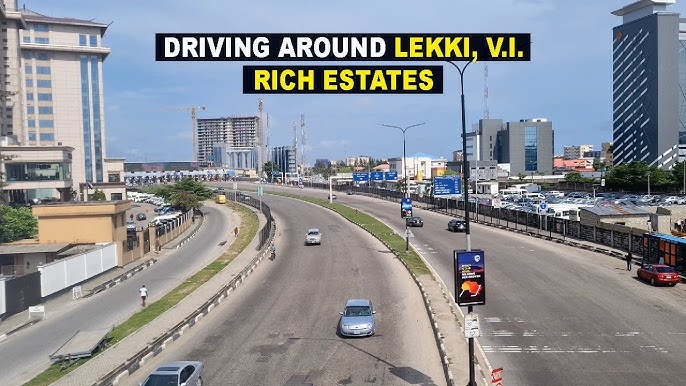
Traffic around Lagos Island can turn a short trip into a frustrating journey, especially during weekday rush hours. Areas such as Marina, CMS, Idumota, Broad Street, Balogun Market, Obalende, and Third Mainland Bridge connections often experience heavy congestion because they serve as major business, commercial, and transport hubs.
Knowing how to avoid traffic around Lagos Island is less about finding one perfect route and more about understanding how traffic flows, when congestion happens, and which alternatives can save you time.
Whether you are heading to work, visiting a market, attending a business meeting, or passing through Lagos Island to another part of the city, a little planning can make your trip much easier.
Understand Why Lagos Island Traffic Gets Heavy
Lagos Island is one of the busiest parts of Lagos because many activities happen within a relatively small area.
The island attracts:
- Office workers travelling to business districts
- Traders and shoppers visiting commercial areas
- Public transport passengers connecting through major terminals
- Visitors accessing government offices, banks, and corporate buildings
- Vehicles moving between Lagos Mainland, Victoria Island, Ikoyi, and Lekki
Several roads carry a large volume of vehicles daily, including:
- Third Mainland Bridge connections
- Carter Bridge routes
- Eko Bridge approaches
- Apapa-Oshodi corridor connections
- Marina and CMS areas
Traffic usually becomes worse when several factors combine, such as rush hour movement, road construction, accidents, vehicle breakdowns, heavy commercial activity, or poor weather conditions.
Understanding these patterns helps you decide when and how to travel.
Avoid Peak Traffic Hours Around Lagos Island
One of the easiest ways to reduce travel delays is adjusting your travel time.
The busiest periods are usually:
Morning rush hour
Many workers enter Lagos Island between approximately 6:30 AM and 10:00 AM. Roads leading into CMS, Marina, and surrounding business areas often experience significant congestion during this period.
Evening rush hour
Traffic usually increases from around 4:00 PM as workers leave offices and commuters travel back toward Lagos Mainland, Ikeja, Ajah, and other residential areas.
If possible, consider travelling:
- Before 6:30 AM
- Between late morning and early afternoon
- After evening rush-hour congestion reduces
For business appointments, arriving early can often save more time than trying to rush through heavy traffic.
Choose Your Route Based on Your Starting Point
The best way to avoid Lagos Island traffic depends heavily on where you are coming from.
A route that works well from Ikeja may not be the best option from Lekki or Ajah.
Coming from Lagos Mainland
If you are travelling from areas such as:
- Yaba
- Surulere
- Ikeja
- Maryland
- Gbagada
you may have multiple options depending on traffic conditions.
Possible approaches include:
- Third Mainland Bridge routes
- Carter Bridge access
- Eko Bridge connections
However, these routes can become extremely slow during peak periods. Checking traffic conditions before leaving is important because an accident or stalled vehicle can quickly affect travel time.
Coming from Victoria Island or Lekki
Travellers from Victoria Island and Lekki often use:
- Bonny Camp area connections
- Falomo Bridge routes
- Obalende approaches
Traffic around Obalende, Lekki Phase 1, and Ozumba Mbadiwe Road can affect movement into Lagos Island.
Leaving earlier before office traffic builds up can make a major difference.
Coming from Ikoyi
If you are travelling from Ikoyi, routes through:
- Obalende
- Falomo
- Osborne areas
may be affected by congestion depending on the time of day.
Short distances can still take a long time during busy periods because several major traffic streams meet around these areas.
Use Alternative Transport Options When Possible
Driving is not always the fastest option around Lagos Island.
Depending on your destination, alternative transport may save time.
Water transport
For some travellers, Lagos waterways can provide an alternative to road congestion.
Ferry services connecting different parts of Lagos can help avoid some road delays, especially for commuters travelling between areas connected by waterways.
Before using water transport, check:
- Departure locations
- Operating schedules
- Ticket availability
- Weather conditions
Public transport
Buses and taxis may sometimes move through routes that individual drivers find difficult because experienced drivers understand local traffic patterns.
However, travel time can still vary depending on congestion.
Walking short distances
Some areas of Lagos Island are closer than they appear on a map.
For example, moving between nearby commercial areas may sometimes be faster by walking than sitting in slow-moving traffic.
Avoid Highly Congested Areas During Busy Periods
Some Lagos Island locations frequently experience heavy movement because of commercial activities.
These areas include:
- CMS
- Marina
- Idumota
- Balogun Market area
- Obalende
- Tinubu Square surroundings
If your destination is close to these areas, consider:
- Parking outside the busiest zones
- Walking the final distance
- Visiting during less crowded hours
- Choosing side streets where appropriate
This approach can reduce the time spent searching for parking or waiting in traffic.
Check Live Traffic Conditions Before Leaving
Traffic conditions in Lagos can change quickly.
A route that is clear in the morning may become blocked later because of:
- Road accidents
- Vehicle breakdowns
- Security activities
- Weather-related delays
- Sudden congestion
Before starting your trip, check live traffic updates using:
- Google Maps traffic feature
- Navigation apps with real-time updates
- Local traffic information sources
Do not rely only on yesterday’s travel experience. Lagos traffic patterns can change daily.
Plan Around Major Events and Busy Days
Certain days and events can increase congestion around Lagos Island.
Extra traffic may occur during:
- Public holidays
- Major religious celebrations
- Political events
- Large business conferences
- Market peak periods
- Special events around Tafawa Balewa Square or Marina areas
If you have an important appointment, check whether anything happening nearby could affect your route.
Parking Strategy Matters More Than Many Drivers Expect
Finding parking around Lagos Island can add unnecessary delays.
Many drivers lose time because they enter crowded areas searching for parking spaces.
A better approach is to:
- Identify parking options before arriving
- Avoid stopping on busy roads
- Park slightly away from crowded commercial areas when possible
- Walk a short distance to your destination
Sometimes parking farther away saves more time than trying to get the closest spot.
Common Mistakes That Make Lagos Island Traffic Worse
Leaving without checking traffic conditions
Many people assume their usual route will work every day. This can lead to unexpected delays.
Travelling during peak hours for short trips
A journey that normally takes 20 minutes can become much longer during rush hour.
Following shortcuts without understanding them
Not every shortcut saves time. Some smaller roads may become blocked because many drivers have the same idea.
Entering commercial areas at the busiest time
Markets and business districts become significantly more crowded during peak shopping periods.
Ignoring weather conditions
Rain can quickly increase congestion because of slower movement, flooding risks, and reduced road capacity.
Practical Example: Planning a Trip to Lagos Island
Imagine you have a 9:00 AM meeting at Marina.
A driver leaving from Ikeja at 8:00 AM may encounter heavy traffic entering Lagos Island.
A better plan could be:
- Leave earlier before peak congestion increases
- Check live traffic before choosing a route
- Consider arriving near the area early and waiting
- Avoid last-minute route changes based only on assumptions
The goal is not just to drive faster. It is to reduce uncertainty.
A Simple Strategy for Saving Time Around Lagos Island
Before travelling, ask yourself:
- What time am I leaving?
- Is this a peak traffic period?
- Which roads connect my location to Lagos Island?
- Are there current delays on my route?
- Can I use another transport option?
- Where will I park?
Answering these questions takes only a few minutes but can prevent hours of delay.
Traffic around Lagos Island is unlikely to disappear completely because it remains one of Lagos’ busiest commercial areas. The most effective approach is learning the traffic patterns, choosing better travel times, checking conditions before leaving, and being flexible with your route.
Leave a Reply