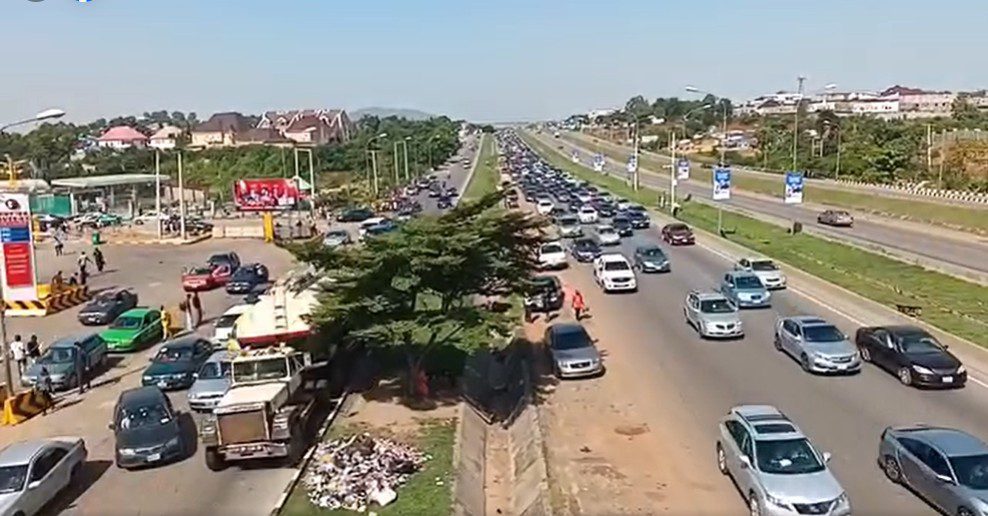
Traffic in Abuja can be unpredictable. A journey that normally takes 20 minutes can suddenly stretch into an hour because of rush-hour congestion, road construction, accidents, security checks, or heavy movement around government districts.
Finding the best routes to avoid Abuja traffic is not only about knowing alternative roads. It is about understanding how traffic flows across different parts of the city, knowing when certain roads become crowded, and choosing routes that match your destination.
Whether you commute daily, run a business in Abuja, or are visiting the city, using less congested routes can save time, fuel, and unnecessary stress.
This guide explains practical alternative routes, traffic patterns, and strategies that help you move around Abuja more efficiently.
Why Abuja Traffic Becomes Congested
Abuja was designed with wide roads and planned districts, but the city’s rapid growth has increased pressure on major roads.
Several factors contribute to traffic delays:
- Increased population and daily commuting
- Heavy traffic around central districts
- Peak-hour movement from residential areas into business zones
- Road construction and maintenance work
- Accidents and vehicle breakdowns
- Security checkpoints in some areas
- Limited alternative routes in certain corridors
Most traffic problems happen during weekday peak periods:
Morning rush: Around 6:30 AM to 9:30 AM
Evening rush: Around 4:00 PM to 7:30 PM
Major roads that experience regular congestion include:
- Airport Road
- Kubwa Expressway
- Abuja-Keffi Road
- Ahmadu Bello Way
- Constitution Avenue
- Zaria Road
- Nyanya-Maraba corridor
Knowing alternative routes can make a significant difference.
Best Alternative Routes to Avoid Abuja Traffic
1. Use the Wuye-Wuse Connection Instead of Busy Central Routes
For people moving between areas like Wuye, Wuse, Garki, and nearby districts, using internal city roads can often be faster than relying only on major highways.
Many drivers avoid congested sections of:
- Ahmadu Bello Way
- Herbert Macaulay Way
- Central Area approaches
by using connecting roads through:
- Wuye
- Zone 6
- Area 1
- Wuse 2
These routes may involve more turns, but they can reduce time spent sitting in traffic.
Best for:
- Office workers
- Short city movements
- Avoiding Central Area congestion
Avoid during:
- Major events around Eagle Square
- Heavy government activity periods
2. Use the Inner Roads Around Garki Instead of the Airport Road
Airport Road is one of Abuja’s busiest routes because it connects the city centre with residential areas and the airport corridor.
During morning and evening rush hours, congestion can build around:
- Lugbe
- Galadimawa
- City Gate
- Kukwaba areas
Alternative options include using connecting roads through:
- Garki
- Area 1
- Wuse
- Gudu
depending on your final destination.
For example, someone travelling from Garki to Wuse may save time by avoiding sections of Airport Road and using internal connections.
Best for:
- Garki to Wuse trips
- Business district movements
- Avoiding airport corridor delays
3. Avoid Kubwa Expressway During Peak Hours by Using Alternative Connections
The Kubwa Expressway is one of the busiest entry routes into Abuja.
Traffic usually becomes heavy around:
- Kubwa interchange
- Dutse Alhaji
- Katampe approaches
- Zuba direction
Drivers heading from Kubwa toward the city centre can consider alternative connections through:
- Dutse
- Gwarinpa links
- Katampe routes
The best option depends heavily on your destination.
For example:
- Going to Maitama? A Katampe connection may help.
- Going to Wuse? Gwarinpa routes may reduce delays.
- Going to the Central Area? Timing your trip outside peak periods may be better.
4. Use the Katampe-Maitama Route to Avoid Busy City Centre Roads
The Katampe and Maitama areas provide useful connections for drivers moving toward:
- Asokoro
- Wuse
- Central Area
- Jabi
Instead of passing through heavily congested central roads, some drivers use these routes to move around the city.
This is especially useful when major roads around:
- Three Arms Zone
- Federal Secretariat
- Central Business District
experience delays.
Best for:
- Business travellers
- Government district movements
- Drivers familiar with Abuja’s inner roads
5. Consider the Gwarinpa-Jabi Route Instead of Major Highways
Gwarinpa is one of Abuja’s busiest residential districts, and movement toward Jabi, Utako, and Wuse can become slow during peak periods.
Alternative connections through:
- Jabi
- Life Camp
- Kado
- Karsana
can sometimes provide smoother movement.
These routes are useful for people travelling between:
- Gwarinpa
- Jabi
- Utako
- Wuse
The best route depends on current road conditions because some smaller roads can also become crowded.
6. Use the Ring Road Network for Cross-City Movement
One mistake many drivers make is passing through the city centre when they do not need to.
Abuja has several outer connections that allow drivers to move between districts without entering congested areas.
For example:
Instead of:
Gwarinpa → Central Area → Garki
A driver may consider routes through:
Gwarinpa → Jabi → Wuye → Garki
depending on traffic conditions.
The idea is simple: avoid unnecessary movement through high-traffic zones.
Best Routes Based on Your Starting Point
From Kubwa to Central Abuja
Possible options:
- Kubwa Expressway during off-peak hours
- Dutse/Katampe connections
- Alternative routes through Gwarinpa depending on destination
Avoid travelling during morning rush unless necessary.
From Lugbe to Abuja City Centre
Possible options:
- Airport Road outside peak hours
- Internal connections through Garki and Area 1
Traffic is usually worse around:
- City Gate
- Galadimawa interchange
- Airport junction areas
From Maraba/Nyanya to Abuja
This route experiences some of the heaviest daily traffic.
Possible strategies:
- Travel before peak hours
- Use alternative connections where available
- Avoid entering the city during morning rush
From Gwarinpa to Wuse
Possible options:
- Jabi connection
- Kado/Life Camp routes
- Internal district roads
Avoid depending only on major highways during busy periods.
The Best Time to Drive Around Abuja
Choosing the right time can be more effective than finding a shortcut.
Usually easier periods:
- Before 6:30 AM
- Between 10:00 AM and 3:30 PM
- After 8:00 PM
Usually difficult periods:
- Monday mornings
- Friday evenings
- Rainy periods
- Days with major government events
Rain especially affects Abuja traffic because flooding and slower driving can quickly create long delays.
Use Navigation Apps, But Do Not Depend on Them Completely
Apps such as Google Maps and Waze can help identify slow roads and suggest alternatives, but Abuja drivers should combine technology with local knowledge.
A navigation app may recommend a shorter route, but that route could have:
- Poor road conditions
- Security restrictions
- Temporary closures
- Unexpected congestion
Experienced drivers usually combine:
- Live traffic updates
- Knowledge of neighbourhood roads
- Current road conditions
before choosing a route.
Common Mistakes That Make Abuja Traffic Worse
Following the Same Route Every Day
A route that works on Tuesday may fail on Friday evening.
Traffic patterns change depending on:
- Weather
- Events
- Accidents
- Construction
Having two or three alternative routes is better.
Entering Major Roads During Rush Hour
Sometimes leaving 20 minutes earlier can save more time than finding a shortcut.
Using Small Roads Without Knowing Them
Some residential roads look faster but may have:
- Poor surfaces
- Limited exits
- Security restrictions
Always understand where the road connects before depending on it.
Practical Tips for Faster Movement Around Abuja
- Check traffic conditions before leaving
- Leave earlier for important appointments
- Learn alternative connections between districts
- Avoid unnecessary trips through the Central Area
- Keep fuel levels high because traffic delays increase fuel consumption
- Save offline maps for areas with poor network coverage
- Ask local drivers about temporary road changes
Final Advice for Avoiding Abuja Traffic
There is no single route that is always the fastest in Abuja. Traffic changes throughout the day, and the best route depends on your starting point, destination, and travel time.
The most reliable approach is to understand the city’s major traffic corridors, avoid peak-hour pressure when possible, and always have alternative routes available.
For daily commuters, learning connections between districts like Wuse, Garki, Wuye, Jabi, Katampe, Gwarinpa, and Maitama can significantly reduce travel delays and make movement around Abuja easier.
Leave a Reply